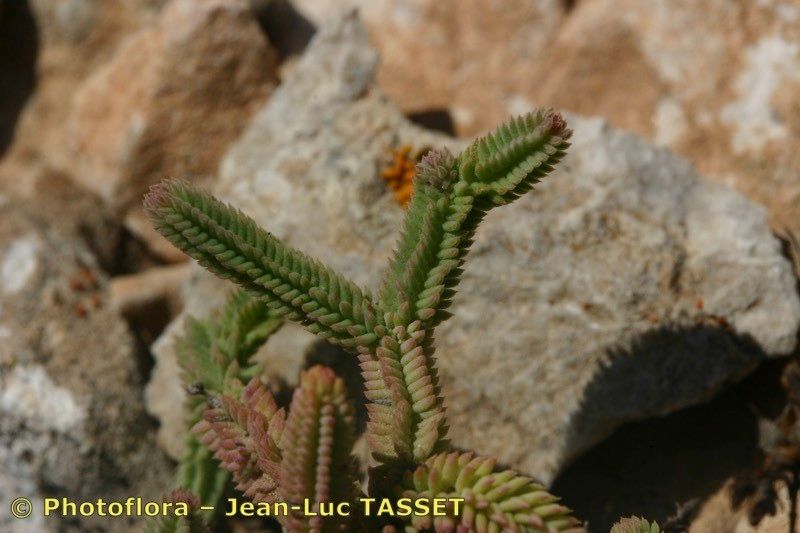
Hello there, fellow garden enthusiasts! Today, I want to chat about a plant that has truly captured my heart over the years: Hypericum ericoides, often called Heath Hypericum or Heather Hypericum. Its delicate, charming, star-shaped flowers and evergreen foliage bring such a lovely texture to the garden, especially when paired with bolder perennials. If you’re looking to expand your collection or share its beauty with friends, propagating it yourself is incredibly satisfying. Now, I won’t sugarcoat it – Hypericum ericoides can be a tad more temperamental than, say, a simple pelargonium cutting. But with a little care and patience, it’s definitely achievable, and the rewards are well worth the effort.
When Should You Get Your Hands Dirty?
For the best chance of success with Hypericum ericoides, I’ve found that late spring to early summer is your golden window. This is when the plant is actively growing, and the new, semi-hardwood stems are just forming. You’re looking for stems that are flexible but not alarmingly soft and floppy. Think of them as teenager branches – not quite fully mature, but ready to take on the world (and a new pot!).
What Treasures Will You Need?
Gathering your supplies ahead of time makes the whole process much smoother. Here’s what I usually have on hand:
- Sharp, clean pruning shears or a sharp knife: A clean cut is crucial to prevent disease.
- Rooting hormone: This is your secret weapon for encouraging strong root development. I prefer the powder form for stem cuttings.
- A well-draining potting mix: A good starting point is a 50/50 blend of perlite and peat moss or coarse sand and compost. The key is excellent drainage; soggy soil is the enemy of cuttings.
- Small pots or seed trays: Clean plastic pots or even recycled yogurt containers with drainage holes work wonders.
- Propagation mat (optional but highly recommended): This provides gentle bottom heat, which really speeds up root formation.
- Plastic bags or a mini greenhouse: This creates a humid environment, essential for preventing cuttings from drying out.
- Labels and a marker: Trust me, you’ll forget what you planted and when!
Let’s Get Those Cuttings Started!
I’ve found success with Hypericum ericoides primarily through stem cuttings. Division can be tricky as the root system can be quite fine.
Step-by-Step Stem Cuttings:
- Take Your Cuttings: On a bright morning, select healthy, vigorous stems from your parent plant. Using your clean shears, cut lengths of about 4-6 inches. Make your cut just below a leaf node (where a leaf joins the stem). This is where the magic often happens for root formation.
- Prepare the Cuttings: Gently remove the leaves from the bottom two-thirds of each cutting. You want to expose those leaf nodes, as they’re often where roots emerge. Leave just a few leaves at the very top to help with photosynthesis. If the remaining leaves are very large, you can snip them in half to reduce water loss.
- Apply Rooting Hormone: Dip the cut end of each prepared stem into your rooting hormone powder. Tap off any excess.
- Plant Your Cuttings: Fill your clean pots with your pre-moistened potting mix. Make a small hole in the center with a pencil or dowel. Gently insert the cut end of the cutting into the hole, ensuring the rooting hormone stays on. Firm the soil gently around the base of the cutting.
- Create a Humid Environment: Water the soil lightly. Then, cover the pots with a clear plastic bag, creating a mini-greenhouse. Make sure the leaves aren’t touching the plastic if possible. Alternatively, place the pots inside a larger clear plastic bag or a propagation tray with a lid.
- Provide the Right Conditions: Place your pots in a location that receives bright, indirect light. Avoid direct sun, which can scorch the delicate cuttings. If you have a propagation mat, now’s the time to use it! Maintain a temperature of around 70-75°F (21-24°C).
The “Secret Sauce” You Won’t Find Everywhere
Here are a couple of little tricks I’ve picked up that make a big difference:
- The “Wiggle Test” is Your Friend: You don’t want to disturb your cuttings too much, but after about 4-6 weeks, give a gentle tug on a cutting. If you feel resistance, it means roots have formed! It’s a low-impact way to check without uprooting.
- Don’t Drown Your Dreams: While humidity is vital, soggy soil is a death sentence. It leads to rot. Water sparingly, just enough to keep the soil consistently moist, not waterlogged. I often check by poking my finger into the soil – if it feels dry about an inch down, it’s time for a drink.
Aftercare and What to Watch For
Once those roots have started to anchor your cuttings, it’s time to treat them like fledgling plants.
- Gradual Acclimation: Slowly start to harden them off by removing the plastic cover for a few hours each day, gradually increasing the time. This helps them adapt to lower humidity.
- Transplanting: When you see good root growth and the plant feels sturdy, you can transplant them into individual pots. Use a slightly richer potting mix now, but still ensure excellent drainage.
- Signs of Trouble (and how to fix them):
- Wilting and Yellowing Leaves: This is often a sign of too much water or not enough light. Check your watering consistency and move them to a brighter spot if needed.
- Mushy Stems or Rotting: This is usually the dreaded fungal rot, a direct result of overly wet conditions. If you catch it early, you might be able to salvage a cutting by cutting away the rotted part and repotting in fresh, dry soil. If the whole cutting is affected, sadly, it’s time to say goodbye and try again.
- No Sign of Growth: Be patient! Some plants are slower than others. Keep them in the right conditions. If after several months there’s absolutely no sign of rooting, the cutting may not have taken.
Keep the Green Thumbs Busy!
Propagating Hypericum ericoides is a journey. There will be times when things don’t go exactly to plan, and that’s perfectly okay! Every gardener has their share of cuttings that don’t make it. The important thing is to learn from each attempt, adjust your methods, and celebrate your successes. So, grab your shears, get your hands dirty, and enjoy the wonderful process of bringing new life into your garden. Happy growing!
Resource:
https://identify.plantnet.org/k-world-flora/species/Hypericum%20ericoides%20L./data