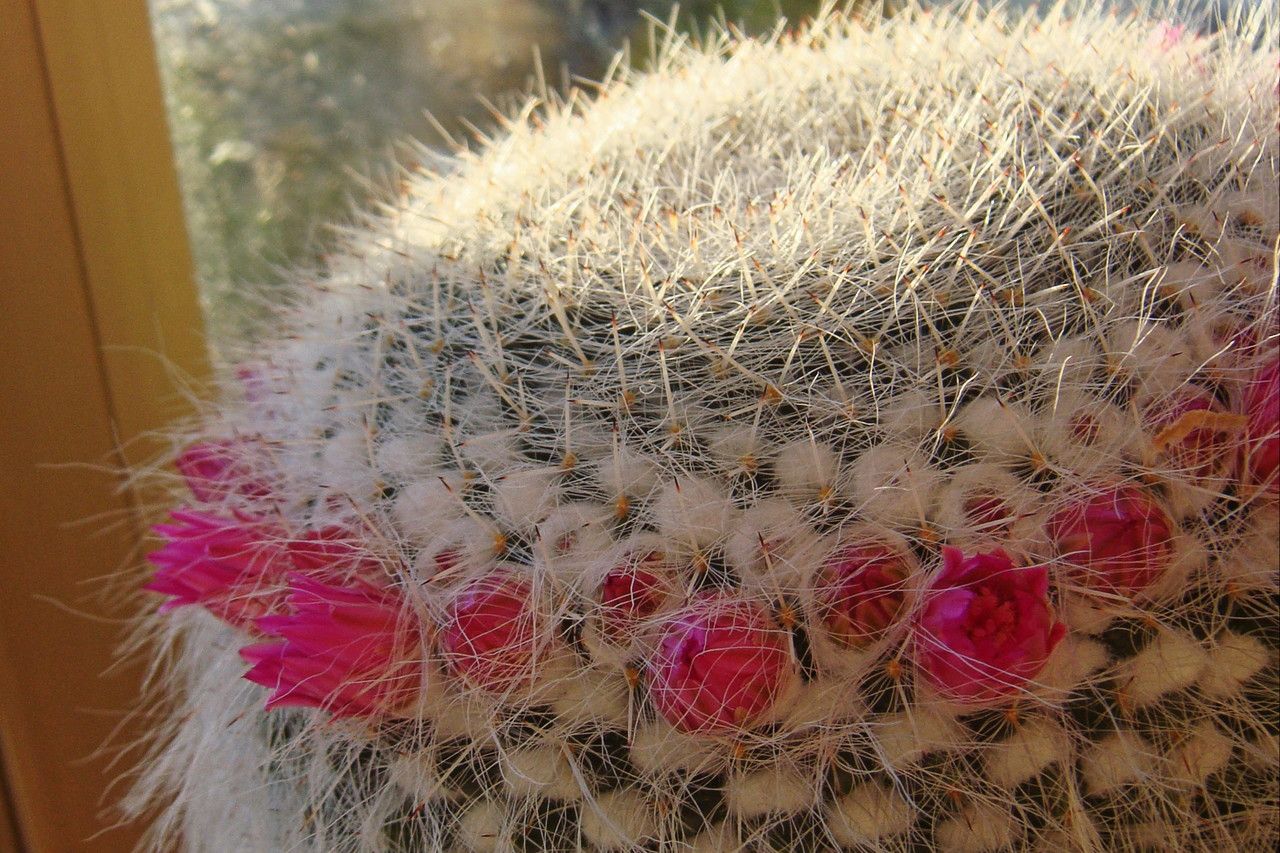
Hello, fellow plant lovers! Today, we’re diving into the delightful world of propagating one of my absolute favorites: Mammillaria hahniana, also known as the Pincushion Cactus. If you’ve ever admired its fuzzy, globular form, often adorned with beautiful pink or white flowers in rings, you’re not alone. This little charmer is wonderfully rewarding to grow, and propagating it is a fantastic way to fill your home with more of its prickly, yet undeniably cute, presence.
Is it beginner-friendly? I’d say Mammillaria hahniana is generally quite forgiving. While no propagation is entirely foolproof, this species gives you a pretty good shot at success, even if you’re just starting out. The joy of watching a tiny offset develop into a mature plant is truly special.
The Best Time to Start
For Mammillaria hahniana, the sweet spot for propagation is during its active growing season. This usually means from late spring through summer. You’ll find it puts out offsets readily during this time, and any cuttings you take will have the best chance of rooting quickly when the days are longer and warmer. Waiting until you see new growth appearing is your best bet.
Supplies You’ll Need
To get your propagation station set up, here’s what you’ll want to have on hand:
- Well-draining potting mix: I recommend a cactus and succulent mix. If you can’t find one, you can create your own by mixing equal parts potting soil with perlite or coarse sand. Good drainage is non-negotiable for cacti.
- Sharp, clean knife or pruning shears: Sterilize them with rubbing alcohol before you start to prevent disease.
- Rooting hormone (optional, but recommended): This can give your cuttings an extra boost.
- Small pots or trays: Terracotta pots are great because they breathe and help with drying.
- Spray bottle: For gentle watering.
- Gravel or small pebbles (optional): To cover the soil surface and help with aeration.
- Gloves or tongs (optional): To handle the spiny plants safely.
Propagation Methods
Mammillaria hahniana is most commonly propagated through its offsets, which are the little baby cacti that form around the base of the mother plant.
Method 1: Offset Removal and Planting
- Identify offsets: Look for small, globular shoots growing from the sides or base of your mature cactus.
- Carefully detach: Using your clean knife, gently twist or cut the offset away from the main plant. Try to get a small bit of the mother plant’s base with it, if possible. You might need to gently tease away some soil.
- Let it callus: This is crucial! Place the detached offset in a dry, bright spot, away from direct sun, for 3-7 days. This allows the cut surface to dry and form a protective callus, which prevents rot.
- Plant the offset: Fill your small pot with your well-draining cactus mix. Make a small depression in the soil and gently place the callused offset into it. Don’t bury it too deeply; just enough so it stands upright.
- Initial Spacing: If you have multiple offsets, give them a little space in their new pots.
Method 2: Stem Cuttings (Less common for this species, but possible)
While Mammillaria hahniana primarily propagates via offsets, if you happen to have a larger stem break off, you can try this:
- Prepare the cutting: Ensure the broken end is clean and smooth.
- Callus: Just like with offsets, you must let the cutting callus in a dry, bright spot for at least a week, possibly longer, until the cut surface is completely dry and leathery.
- Plant the cutting: Follow steps 4 and 5 from the offset method. It might take a bit longer to root this way.
The “Secret Sauce” (Pro Tips)
- Don’t rush the watering: After planting, resist the urge to water immediately. Wait at least a week, and even then, water very sparingly. The callused stem should already have some moisture reserves. Overwatering at this stage is the quickest way to rot.
- Bottom heat is your friend: If you’re propagating in cooler conditions or want to speed things up a bit, a seedling heat mat placed under your pots can make a surprising difference. It encourages root development from the bottom up.
- Think airflow: Good air circulation is vital for preventing fungal issues. Avoid crowding your new plants and ensure the room they are in is relatively well-ventilated.
Aftercare & Troubleshooting
Once you’ve planted your offsets, be patient. Roots can take anywhere from a few weeks to a couple of months to form. You’ll know roots are developing when the offset feels a little more stable and resistant when you gently tug on it.
When you see signs of rooting, begin watering very lightly. Water thoroughly, but then let the soil dry out completely before watering again. Think of it as mimicking a desert environment – infrequent but deep drinks.
Common signs of failure:
- Rot: If your offset turns mushy, black, or translucent, it’s likely rotting. This is usually due to overwatering or insufficient callusing. Unfortunately, if rot sets in severely, it’s hard to save. You can try cutting away the rot and re-callusing, but success rates are low.
- Shriveling: If the offset shrivels up without rooting, it might be too dry or never formed roots. This can happen if the callus wasn’t complete or if it’s just not viable.
A Encouraging Closing
Propagating Mammillaria hahniana is a journey. There might be a few hiccups along the way, but the learning process is part of the fun! Celebrate each tiny success, be patient with your new little cacti, and enjoy watching them grow into their own fuzzy, flowering glory. Happy propagating!
Resource:
https://identify.plantnet.org/k-world-flora/species/Mammillaria%20hahniana%20Werderm./data