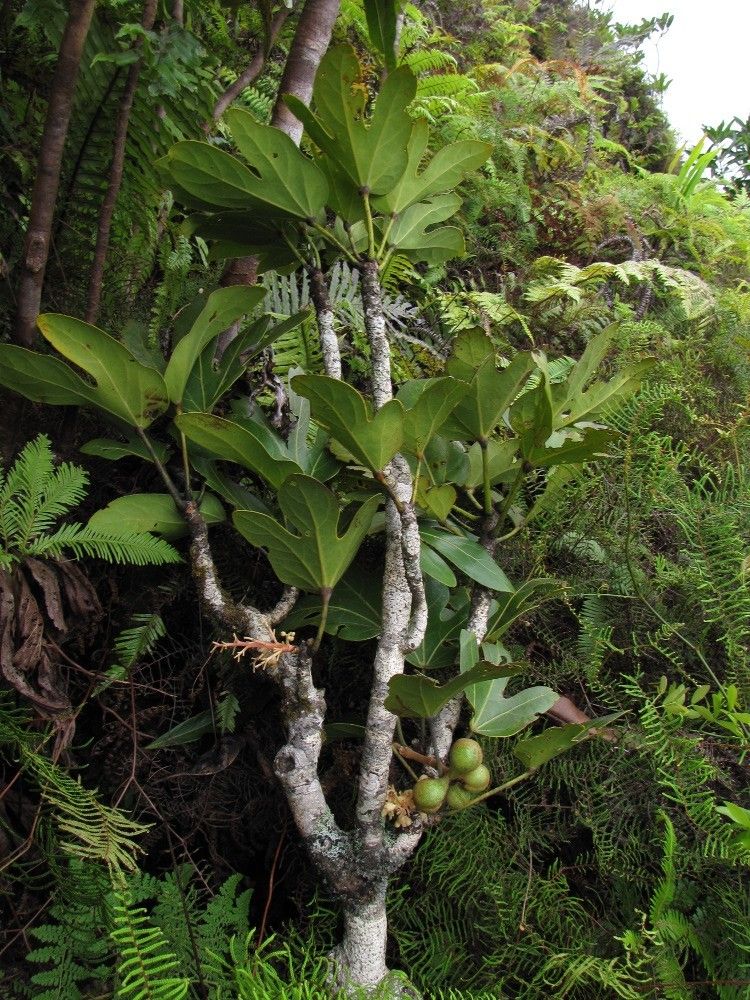
Oh, hello there! Come pull up a chair and let’s chat about Acropogon fatsioides. If you’re anything like me, you’ve probably admired those gorgeous, feathery blooms and that lovely, almost architectural foliage. Bringing a bit of that magic into other parts of your garden, or sharing it with friends, is just so satisfying, isn’t it? Now, I know some plants can be a bit finicky to propagate, making you chew your nails down to the quick. But I’m happy to tell you that Acropogon fatsioides is a pretty good one to try your hand at, even if you’re new to the wonderful world of cuttings and divisions.
The Best Time to Start
For us here in the Northern Hemisphere, late spring through early summer is generally your golden window. Think May, June, maybe even early July. You want to get started when the plant is actively growing, pushing out lots of fresh, healthy stems. This vigorous growth period means your cuttings will have the energy reserves they need to establish roots. Avoid trying this too late in the season when things are winding down for cooler weather.
Supplies You’ll Need
Before we dive in, let’s gather our tools. Having everything ready makes the whole process so much smoother!
- Sharp Pruning Shears or Knife: Clean cuts are crucial.
- Small Pots or Propagation Trays: Whatever works for you, as long as they have drainage holes.
- Well-Draining Potting Mix: A good quality seed starting mix or a blend of potting soil, perlite, and a little bit of coarse sand is perfect. You want it to dry out reasonably well between waterings.
- Rooting Hormone (Optional but Recommended): This stuff can give your cuttings a real boost. Look for one with IBA.
- Dibber or Pencil: For making little holes in the soil.
- Clear Plastic Bags or Humidity Domes: To keep humidity high around your cuttings.
- Watering Can with a Fine Rose: For gentle watering.
Propagation Methods
Acropogon fatsioides is wonderfully amenable to propagation by stem cuttings. This is my go-to method for this plant.
- Take Your Cuttings: With your clean shears, select healthy, non-flowering stems from your established plant. You’re looking for stems that are about 4-6 inches long. Make your cut just below a leaf node (that’s where a leaf joins the stem). This is where roots are most likely to form.
- Prepare the Cuttings: Gently remove the leaves from the bottom half of each cutting. You can leave a few leaves at the top to help with photosynthesis. If the remaining leaves are very large, you can even cut them in half to reduce water loss.
- Apply Rooting Hormone (If Using): Dip the cut end of each stem into your rooting hormone powder. Tap off any excess.
- Plant the Cuttings: Fill your pots or trays with your moistened potting mix. Use your dibber or pencil to make a hole in the soil. Carefully insert the cut end of the stem into the hole, ensuring the leaf node is below the soil surface. Gently firm the soil around the stem.
- Create a Humid Environment: Water the soil gently. Then, cover the pots with clear plastic bags, secured with a rubber band, or use a humidity dome. This creates a mini-greenhouse effect, which is vital for successful rooting. Place them in a bright spot, but out of direct, harsh sunlight.
The “Secret Sauce” (Pro Tips)
Here are a few little tricks I’ve learned over the years that really seem to make a difference with sensitive cuttings:
- Bottom Heat is Your Friend: If you have it, placing your pots on a gentle heat mat can significantly speed up root development. It mimics the warmth of spring soil and really encourages those roots to get going.
- Don’t Drown Your Cuttings: While they need humidity, you don’t want them sitting in soggy soil. Let the top inch of soil dry out slightly between waterings. Overwatering is the quickest way to invite rot.
- Patience with the “Wiggle Test”: I know it’s tempting, but resist the urge to tug on your cuttings to see if they’ve rooted! Instead, gently wiggle the stem. If you feel resistance, that’s a good sign roots are forming. You can also look for new leaf growth.
Aftercare & Troubleshooting
Once you see signs of new growth, or feel that tell-tale resistance from the wiggle test, you’re well on your way!
- Acclimatize: Gradually reduce the humidity by opening the plastic bags or dome a little more each day over a week or so. This helps them adjust to normal room conditions.
- Watering: Continue to keep the soil consistently moist, but not waterlogged.
- First Feed: Once you see strong, healthy new growth and the plant feels well-established, you can start feeding it with a diluted liquid fertilizer every few weeks.
Now, what if things go sideways? The most common culprit is rot. If your cuttings turn black and mushy, or develop soggy spots, it’s usually due to too much moisture and not enough air circulation. If you catch it early, you might be able to salvage a portion of the stem by cutting away the rotten bits and trying again. Don’t be discouraged if a few don’t make it; it’s all part of the learning curve!
So there you have it! Propagating Acropogon fatsioides is a truly rewarding pursuit. Remember to be patient with your little green babies. Some will take off quickly, others will be a bit more leisurely. Just enjoy the process of nurturing something new from a simple stem. Happy propagating!
Resource:
https://identify.plantnet.org/k-world-flora/species/Acropogon%20fatsioides%20Schltr./data