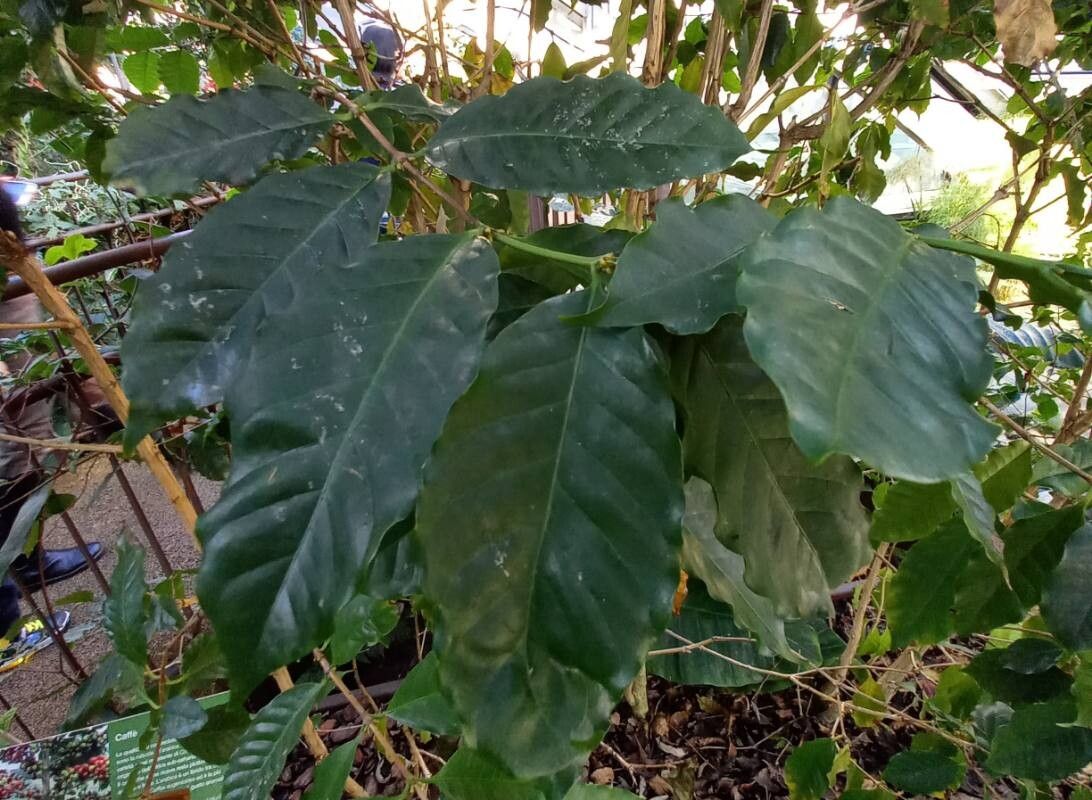
Hello there, fellow plant lovers! I’m so glad you’ve joined me today. If you’re like me, there’s something incredibly special about growing your own coffee. The idea of nurturing a plant that eventually brings you your morning brew is just… magical. And guess what? You can totally do it right at home! Today, we’re diving into the wonderful world of propagating Coffea arabica, the beloved Arabica coffee plant.
Now, I won’t lie to you, propagating coffee plants isn’t as straightforward as, say, a succulent. It requires a bit of patience and attention to detail. But don’t let that deter you! With a little know-how and a lot of heart, you’ll be well on your way to creating your own little coffee dynasty. The reward of seeing a new plant sprout from a small cutting is truly unmatched.
The Best Time to Start
For the highest success rate, I find the late spring or early summer to be your sweet spot. This is when your parent coffee plant is likely in its most vigorous growth phase. The days are longer, there’s plenty of sunlight, and the ambient warmth helps cuttings root more readily. You want to aim for when the plant is actively producing new growth, often indicated by bright green, tender stems.
Supplies You’ll Need
Gathering your supplies ahead of time makes the whole process much smoother. Here’s what I always have on hand:
- Sharp Pruning Shears or a Craft Knife: Clean cuts are crucial! Make sure they’re sterilized with rubbing alcohol.
- Rooting Hormone: This is a game-changer for increasing your success rate. Look for one containing IBA (indole-3-butyric acid).
- Potting Mix: A well-draining, airy mix is key. I love a blend of peat moss or coco coir, perlite, and a bit of orchid bark. You can also use a seedling starter mix if that’s what you have.
- Small Pots or Seedling Trays: Ensure they have drainage holes. Small nursery pots (3-4 inches) are perfect.
- Clear Plastic Bags or a Propagator: This creates a mini-greenhouse effect to maintain humidity.
- Watering Can or Spray Bottle: For gentle watering.
- Coarse Sand or Perlite: For drainage at the bottom of pots if needed, or mixed into your soil.
Propagation Methods
My favorite and most reliable method for coffee plants is using stem cuttings. It’s tried and true, and I’ve had fantastic results with it.
Stem Cuttings:
- Select Your Cuttings: Look for healthy, semi-hardwood stems on your mature coffee plant. These are stems that are no longer bright green and floppy, but not yet woody and stiff. Aim for pieces about 4-6 inches long.
- Make Your Cut: Using your sterilized shears or knife, make a clean cut just below a leaf node. A leaf node is where a leaf attaches to the stem. This is where the magic of root formation happens.
- Prepare the Cutting: Gently remove the lower leaves, leaving just a couple of leaves at the very top. This reduces water loss. If the remaining leaves are very large, you can cut them in half horizontally to further decrease transpiration.
- Apply Rooting Hormone: Dip the cut end of the stem into your rooting hormone powder, giving it a gentle tap to remove excess.
- Plant Your Cuttings: Fill your small pots with your prepared potting mix. Make a hole in the center with your finger or a pencil, and gently insert the cutting, ensuring the leaf nodes where you removed the leaves are buried. Firm the soil around the stem.
- Water Gently: Water the soil lightly until it’s evenly moist but not waterlogged.
- Create a Humid Environment: Place the pot inside a larger clear plastic bag, creating a tent, or put the pots into a propagator. Seal it loosely, or ensure the propagator lid is on. This will trap moisture and humidity around the leaves.
- Provide Light: Place the pots in a bright spot with indirect sunlight. Avoid direct sun, as it can scorch the delicate cuttings.
The “Secret Sauce”
Here are a couple of things that have made all the difference for me over the years:
- Warmth is Your Friend: Coffee plants love a bit of warmth for rooting. If your home is on the cooler side, placing your pots on a gentle seedling heat mat can significantly speed up root development. Aim for a soil temperature of around 70-75°F (21-24°C).
- Don’t Disturb Too Soon: The biggest temptation is to constantly check for roots. Resist! I like to leave my cuttings untouched for at least 6-8 weeks. The longer you can wait, the more likely they are to have developed a robust root system before you stress them by checking. When you think they might be rooted, give them a very gentle tug. If you feel resistance, congratulations!
Aftercare & Troubleshooting
Once you start seeing signs of new growth – tiny new leaves or buds emerging – it’s time to slightly adjust care.
- Gradual Acclimation: Slowly start to acclimate your new plants to lower humidity. For the first week, open the plastic bag or propagator for a few hours each day. Then, gradually increase the time the bag is open until you can remove it entirely.
- Continue Bright, Indirect Light: Keep them in that same bright, indirect light location.
- Watering: Water only when the top inch of soil feels dry to the touch. It’s better to underwater slightly than to overwater at this stage.
- Troubleshooting: The most common issue you might face is rot. This is usually a sign of too much moisture and poor drainage. If you see a cutting turning black and mushy, unfortunately, it’s likely past saving. Ensure your potting mix is airy and your pots have drainage. Another issue can be lack of rooting, which might mean they needed a bit more warmth, humidity, or took longer to establish. Don’t be discouraged if some don’t make it; that’s part of the process!
So there you have it! Propagating Coffea arabica is a rewarding journey that connects you even more deeply with this wonderful plant. Be patient, be nurturing, and celebrate every tiny leaf that unfurls. Happy growing, and maybe one day, you’ll be enjoying a cup brewed from your very own home-grown beans!
Resource:
https://identify.plantnet.org/k-world-flora/species/Coffea%20arabica%20L./data