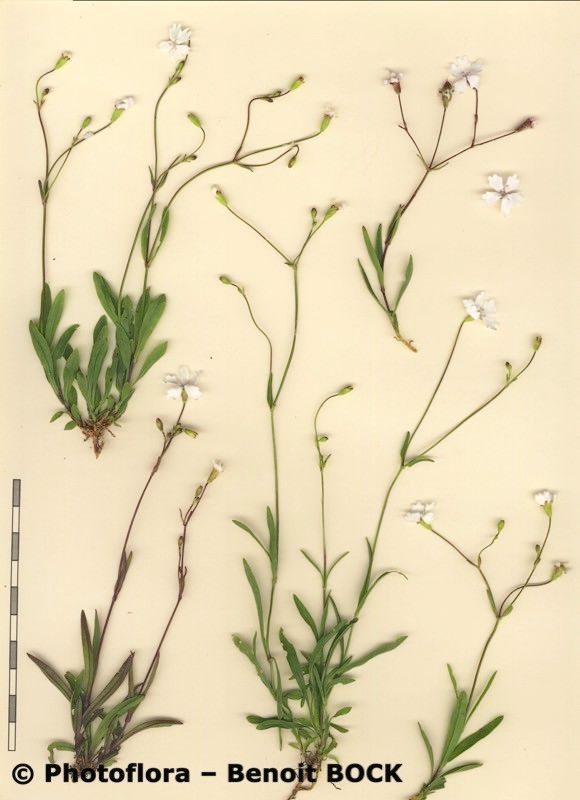
Hello fellow garden enthusiasts! I’m so glad you’re here. Today, we’re diving into the charming world of Heliosperma alpestre, a real gem for rock gardens and alpine displays. Its delicate, star-shaped flowers, often in shades of pink and white, just sing with beauty. And the best part? You can easily multiply this treasure for your own garden or to share with friends. If you’re new to plant propagation, you’ll find Heliosperma alpestre to be a wonderfully rewarding plant to try your hand at. It’s quite amenable to a few simple techniques.
The Best Time to Start
For the highest success rate with Heliosperma alpestre, I always recommend the late spring or early summer. This is when the plant is actively growing and has plenty of fresh, pliable energy. You’re looking for new shoots that haven’t become too woody yet. Think of it as capturing that youthful vigor for your new plants.
Supplies You’ll Need
Gathering your supplies beforehand makes the whole process much smoother. Here’s what I usually have on hand:
- Sharp Pruning Shears or a Craft Knife: For clean cuts, which are essential.
- Rooting Hormone (Optional but Recommended): A little boost can work wonders. I prefer the powdered kind.
- Well-Draining Potting Mix: A mix of equally parts peat moss, perlite, and coarse sand is my go-to. You can also buy specialized seedling or cactus mixes.
- Small Pots or Seed Trays: Clean ones are key to preventing disease.
- Watering Can or Spray Bottle: For gentle watering.
- Labels and a Marker: So you don’t forget what you planted where!
Propagation Methods
Heliosperma alpestre is most commonly propagated through stem cuttings or division. Let’s explore both:
Stem Cuttings
This is my favorite method for Heliosperma alpestre.
- Take Your Cuttings: With your sharp shears, snip off several non-flowering shoots that are about 2-4 inches long. Aim for pieces that have at least two sets of leaves.
- Prepare the Cuttings: Gently remove the lower leaves, leaving just the top two or three sets intact. This prevents leaves from rotting when you insert them into the soil. If the stem looks a bit damp, let it air dry for an hour or two to form a callus.
- Apply Rooting Hormone: Dip the cut end of each piece into your rooting hormone, tapping off any excess.
- Plant the Cuttings: Fill your small pots with your prepared well-draining mix. Make a small hole with a pencil or your finger and insert the cutting. Gently firm the soil around it.
- Water Gently: Water thoroughly but carefully, ensuring the soil is moist but not waterlogged. A spray bottle works well here to avoid disturbing the cuttings.
- Create a Humid Environment: I like to cover the pots with a clear plastic bag or dome. This traps humidity, which is crucial for root formation. Make sure the leaves aren’t touching the plastic.
Division
If you have a mature plant that’s looking a bit full, division is a great option.
- Excavate the Plant: Gently remove the entire plant from its pot or the ground.
- Inspect the Root Ball: Carefully shake off excess soil to get a good look at the root system.
- Divide: Using your fingers or a clean trowel, gently pull apart the clump into smaller sections. Each section should have a good amount of roots and at least one healthy shoot.
- Replant: Pot up each division into a new pot with fresh, well-draining soil, watering gently as you would in the stem cutting method.
The “Secret Sauce” (Pro Tips)
Here are a couple of tricks I’ve learned over the years that really help boost success:
- Don’t Overwater the Cuttings: This is the most common pitfall! Heliosperma alpestre hates soggy feet. The soil should feel moist, like a wrung-out sponge, not drenched. If you see water pooling, you’ve gone too far.
- Bottom Heat is Your Friend: If you’re propagating indoors, popping your pots on a heat mat intended for seedlings can significantly speed up root development. It encourages those roots to grow downwards.
Aftercare & Troubleshooting
Once you start seeing new growth on your cuttings or divisions, that’s a good sign roots are forming!
- Acclimation: If you used a plastic cover, gradually remove it over a few days to let your new plants adjust to normal humidity.
- Watering: Continue to water moderately, allowing the soil to dry out slightly between waterings.
- Light: Place your new plants in a bright, indirect light spot. Avoid direct sun for the first few weeks.
- Troubleshooting: The biggest issue you’ll encounter is rot. If you see stems turning black and mushy, it’s likely due to too much moisture and not enough air circulation. Unfortunately, these cuttings are usually beyond saving. Make sure your soil is free-draining, and adjust your watering. If a cutting simply refuses to root and stays limp, don’t be discouraged; sometimes, they just don’t take.
A Little Patience Goes a Long Way
So there you have it! Propagating Heliosperma alpestre is a deeply satisfying way to expand your collection. Remember, gardening is a journey, and propagation teaches us patience and observation. Enjoy the process, and soon you’ll have a windowsill full of these delightful little plants. Happy gardening!
Resource:
https://identify.plantnet.org/k-world-flora/species/Heliosperma%20alpestre%20(Jacq.)%20Rchb./data