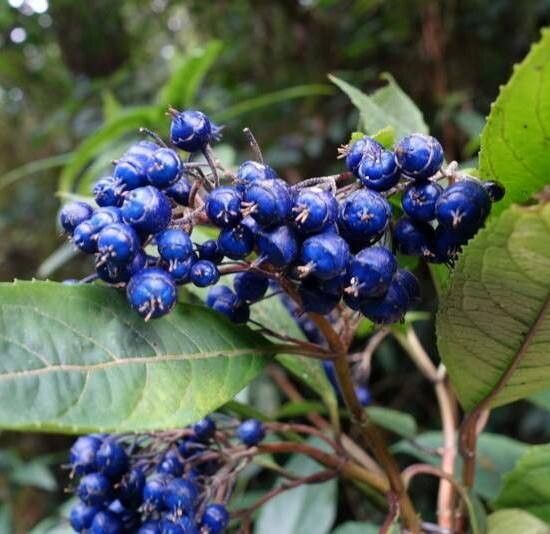
Hello there, fellow garden enthusiasts! I’m so excited to chat with you today about a plant that has captured my heart over the years: Hydrangea febrifuga. Those gorgeous, delicate blooms truly are a sight for sore eyes, aren’t they? And there’s something incredibly satisfying about nurturing a new plant from just a tiny piece of the parent. It’s like watching a little bit of magic unfold right in your hands. Now, if you’re just dipping your toes into the world of propagation, I’ll be honest, Hydrangea febrifuga can be a tad particular. But don’t let that deter you! With a little patience and these tips, you’ll be well on your way.
The Best Time to Start
For us here in the Northern Hemisphere, the sweet spot for taking cuttings of Hydrangea febrifuga is late spring to early summer. This is when the plant is actively growing, and it’s produced what we call “semi-hardwood” stems. Think of them as being a little bendy, but not so soft that they’ll wilt instantly. This stage offers the perfect balance for successful rooting.
Supplies You’ll Need
Gathering your supplies beforehand makes the whole process so much smoother. Here’s what I always have on hand:
- Sharp, clean pruning shears or a sharp knife: Cleanliness is paramount to prevent disease.
- Rooting hormone (optional, but recommended for Hydrangea febrifuga): A powder or gel will do. It gives your cutting a nice boost.
- Small pots or trays: About 4-6 inches deep is good.
- Well-draining potting mix: I prefer a blend of equal parts peat moss (or coco coir) and perlite or coarse sand. This keeps things airy and prevents waterlogging.
- Plastic bags or a propagation dome: To create a humid microclimate.
- Labels and a marker: Trust me, you’ll thank yourself later!
- A watering can or spray bottle: For gently hydrating your cuttings.
Propagation Methods
Let’s get our hands dirty! We’ll focus on the most reliable method for Hydrangea febrifuga: stem cuttings.
Taking Stem Cuttings:
- Select Your Cuttings: Look for healthy, vigorous stems on your established plant. You want stems that are pencil-thick and have started to firm up but are still a bit flexible. Avoid the very tips that are still too soft, and don’t go too far back to woody, hardened-off stems.
- Make Your Cut: Using your clean shears, make a cut just below a leaf node (where a leaf meets the stem). This is where the rooting magic tends to happen. Aim for cuttings that are about 4-6 inches long.
- Prepare the Cutting: Gently remove the lower leaves, leaving just the top two or three sets of leaves. If the remaining leaves are very large, you can carefully cut them in half horizontally. This reduces water loss through transpiration while still allowing photosynthesis.
- Apply Rooting Hormone (Optional): Dip the cut end of your stem into the rooting hormone powder or gel, tapping off any excess.
- Plant Your Cuttings: Fill your pots with your prepared potting mix. Make a small hole with a pencil or your finger in the center. Insert the prepared cutting into the hole, pushing it down about an inch or two so the lowest leaf node is buried. Gently firm the soil around the base of the cutting.
- Water Gently: Water the soil thoroughly until it’s evenly moist but not waterlogged. A gentle shower from your watering can or a fine mist from your spray bottle is ideal.
- Create Humidity: Cover the pot with a clear plastic bag (make sure the leaves don’t touch the plastic – you can use stakes to prop it up!) or place it under a propagation dome. This will create a mini-greenhouse effect, keeping humidity high.
The “Secret Sauce” (Pro Tips)
Here are a couple of things I’ve learned that really make a difference with Hydrangeas:
- Bottom Heat is Your Friend: While not strictly essential for all cuttings, providing a little warmth from below can significantly speed up rooting in Hydrangea febrifuga. A propagator mat placed under your pots creates an ideal, consistent temperature for root development. It’s like giving them a cozy incubator!
- Don’t Be Afraid to Re-cut: If you’re using cuttings that have been sitting for a while, or if you’re in a slightly less-than-ideal window, sometimes re-cutting the base of the stem under running water right before you plant can expose fresh tissue and encourage better rooting.
Aftercare & Troubleshooting
Once your cuttings are planted and covered, place them in a spot that receives bright, indirect light. Avoid direct sun, which can scorch them.
Now, patience is key! Check the moisture of the soil every few days, misting lightly if the surface feels dry. You’re looking for signs of new growth, like tiny leaves or shoots emerging from the nodes. It can take anywhere from 4-8 weeks, and sometimes longer, for roots to develop sufficiently. You can gently tug on a cutting to feel for resistance – a sign of roots!
The most common pitfall is rot. If you see your cuttings turning dark and mushy at the base, or if the leaves suddenly wilt and turn black, it’s usually a sign of too much moisture and not enough air circulation. Make sure your soil mix is airy, and don’t overwater. If you see signs of rot, gently remove the affected cutting and try to improve air circulation on the remaining ones.
Happy Rooting!
There you have it! Propagating Hydrangea febrifuga might require a little extra attention, but the reward of watching those new plants thrive is absolutely worth it. Keep a positive attitude, be patient with the process, and don’t be discouraged if not every cutting takes. Gardening is a journey of learning and discovery, and I’m so glad to share this part of it with you! Happy propagating!
Resource: