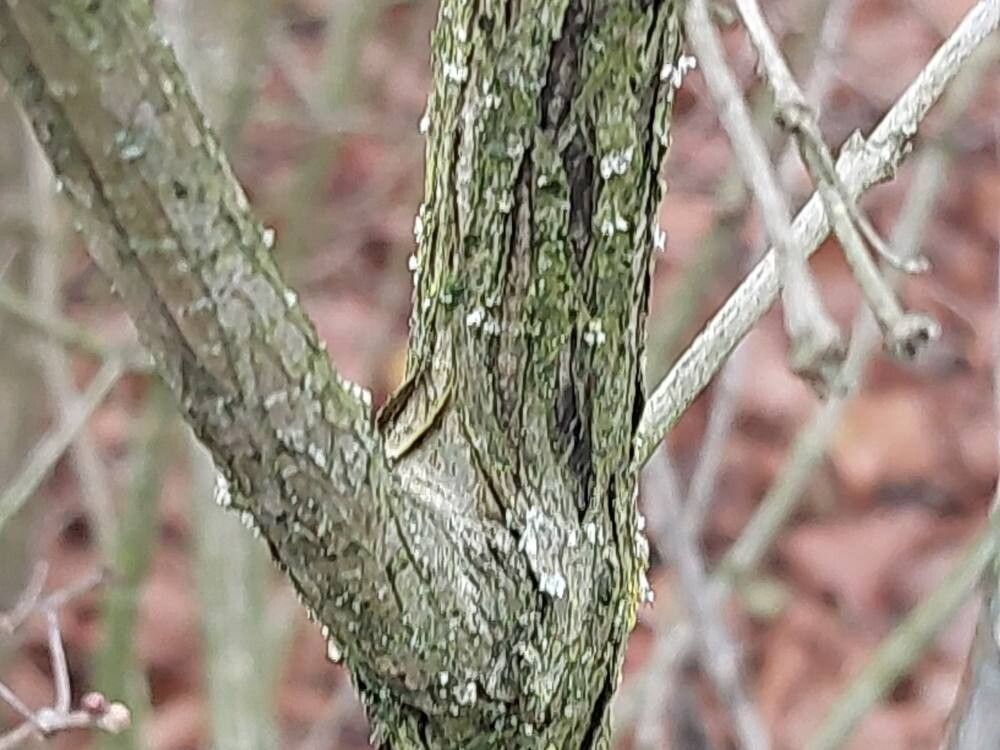
Oh, hello there! Grab yourself a cup of tea, because today we’re going to talk about propagating the beautiful Blue Mist Spirea, or as it’s scientifically known, Lonicera korolkowii. I’ve had these gorgeous shrubs gracing my garden for years, and honestly, their delicate blue-green foliage and profusion of charming pink flowers are just a delight. If you’re looking to add more of this lovely plant to your landscape without breaking the bank, then propagating it yourself is a wonderfully rewarding undertaking. And the good news? For most beginner gardeners, this is a pretty darn easy plant to get started with!
The Best Time to Start
For the highest success rate with Lonicera korolkowii, I’ve found that the late spring to early summer is your sweet spot. This is when the plant is actively growing, and you can take semi-hardwood cuttings. These are cuttings from stems that have started to mature slightly but are still flexible enough to root easily. Think of them as being neither too green and tender nor too woody and stiff.
Supplies You’ll Need
Here’s what you’ll want to have on hand before you get started:
- Sharp pruning shears or a clean, sharp knife: For making clean cuts.
- Rooting hormone (optional, but recommended): A powder or gel that encourages root development.
- Fast-draining potting mix: I like a blend of perlite, peat moss, and a bit of compost.
- Small pots or trays: With drainage holes, of course!
- Clear plastic bags or domes: To create a humid environment.
- Watering can or spray bottle: For keeping things moist.
Propagation Methods: Let’s Get Our Hands Dirty!
The most straightforward way to propagate Lonicera korolkowii is through stem cuttings. It’s tried and true, and I’ve had great success with this method.
- Take Your Cuttings: Head out to your Blue Mist Spirea on a mild day. Look for healthy, current-season stems that are firm but bendy. Using your sharp pruners, take cuttings that are about 4-6 inches long. Try to make your cut just below a leaf node (where the leaves attach to the stem).
- Prepare the Cuttings: Gently remove the leaves from the bottom half of each cutting. You want to expose the nodes as these are where the roots will form. If the remaining leaves are quite large, you can nip them in half to reduce water loss through transpiration.
- Dip in Rooting Hormone (Optional): If you’re using rooting hormone, dip the cut end of each stem into the powder or gel. Tap off any excess. This step really does give your cuttings a helping hand.
- Plant Your Cuttings: Fill your small pots or trays with your prepared, moist potting mix. Make a hole in the center with your finger or a pencil and carefully insert the cut end of the cutting. Gently firm the soil around the stem so it stands upright. You can usually fit several cuttings per pot, as long as they aren’t touching each other.
- Create a Humid Environment: This is crucial! Water the soil thoroughly until water drains from the bottom. Then, cover the pot with a clear plastic bag or a propagation dome. Make sure the plastic doesn’t touch the leaves of your cuttings. This traps moisture, creating the perfect humid microclimate for rooting.
The “Secret Sauce” (Pro Tips)
Okay, lean in, because here are a couple of things I’ve learned that make a big difference:
- Don’t let the leaves touch the water: I know I mentioned it, but it bears repeating! If leaves are submerged, they tend to rot, and that rot can travel down to the cutting, dooming your efforts before they even begin.
- Give them a little warmth: While not strictly necessary for Blue Mist Spirea in all climates, I find that placing cuttings on a heating mat (available at garden centers or online) can significantly speed up root formation. It mimics the warmth of spring soil.
Aftercare & Troubleshooting
Once your cuttings are potted up, the real waiting game begins, but don’t neglect them!
- Keep them moist: Check the soil moisture regularly. It should feel damp, not soggy. Mist the leaves occasionally, especially if you don’t have a fully enclosed dome.
- Provide bright, indirect light: Place your pots in a bright spot, but out of direct, harsh sunlight. A north-facing window or a shaded patio is ideal.
- Look for roots: After a few weeks, gently tug on a cutting. If there’s resistance, congratulations! You’ve got roots! You can also look for new leaf growth, which is a good sign.
- Signs of failure: The most common issue is rot, which appears as a mushy, brown, or black stem, often at the soil line. This is usually a sign of too much moisture and poor air circulation. If you see this, sadly, that cutting is a goner. Wilting that doesn’t recover with watering might indicate the cutting has dried out completely.
Once your cuttings have developed a good root system, you can carefully transplant them into larger pots or their permanent garden locations, giving them a bit more space to grow.
A Little Patience Goes a Long Way
Propagating plants is a journey, and like any good garden project, it requires a bit of patience. Not every cutting will take, and that’s perfectly normal. Just keep at it, learn from each attempt, and enjoy the satisfaction of growing your own beautiful Blue Mist Spirea. Happy propagating!
Resource:
https://identify.plantnet.org/k-world-flora/species/Lonicera%20korolkowii%20Stapf/data