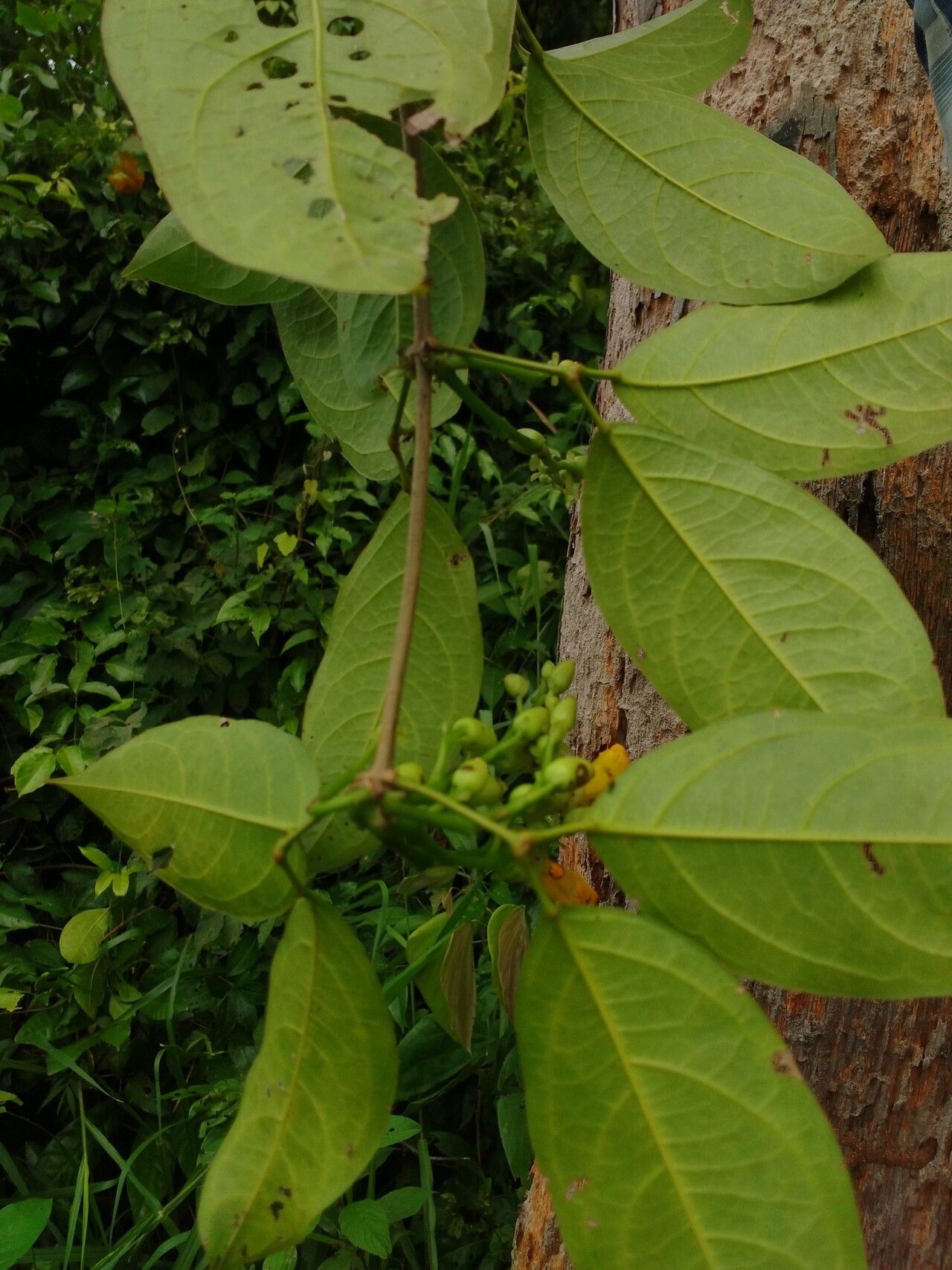
Hello fellow plant lovers! Today, we’re diving into the delightful world of Adenocalymma impressum, often called the “Yellow Trumpet Vine” or “Kalcara.” If you’ve ever seen its showy cascades of bright yellow, trumpet-shaped blooms, you know why it’s a garden showstopper. It’s a vigorous climber, bringing a burst of sunshine to any trellis or fence. And the best part? Propagating it is surprisingly rewarding, and I’m here to guide you through it. Honestly, it’s not a finicky plant at all, making it a wonderful choice even if you’re just starting your plant-parenting journey.
The Best Time to Start
For the highest success rate with Adenocalymma impressum, I always recommend spring or early summer. This is when the plant is actively growing, and its stems have plenty of energy to put into rooting. Look for stems that are semi-hardwood – they’ll be firm but still have a bit of flexibility, not completely woody and rigid. Avoid taking cuttings from new, very soft growth, as it can be more prone to damping off.
Supplies You’ll Need
To give your Adenocalymma impressum the best start, gather these essentials:
- Sharp Pruning Shears or Knife: Cleanliness is key to preventing disease.
- Rooting Hormone: This isn’t always strictly necessary, but it definitely gives cuttings a boost. I like to use a powder or gel.
- Well-Draining Potting Mix: A good blend is usually 50% peat moss or coco coir and 50% perlite or coarse sand.
- Small Pots or Seed Trays: With drainage holes, of course!
- Plastic Bag or Propagator Lid: To create a humid environment.
- Watering Can with a Fine Rose: For gentle watering.
- Optional: Bottom Heat Mat: This can speed up rooting significantly, especially if your home is on the cooler side.
Propagation Methods
Adenocalymma impressum is quite cooperative when it comes to propagation. My go-to method is stem cuttings. Here’s how I do it:
Stem Cuttings:
- Select Your Cuttings: On a healthy, established plant, choose a stem that is about 6-10 inches long and has at least two sets of leaves. As mentioned, aim for semi-hardwood.
- Make Your Cut: Using your clean shears, make a clean cut just below a leaf node (the point where a leaf attaches to the stem). This is where roots will emerge.
- Prepare the Cutting: Remove the lower leaves, leaving just one or two at the very top. This prevents them from rotting in the soil and allows the plant to focus its energy on rooting. If the remaining leaves are very large, I sometimes snip them in half diagonally to reduce water loss through transpiration.
- Dip in Rooting Hormone: Dip the cut end of the stem into your rooting hormone, tapping off any excess.
- Plant Your Cutting: Fill your small pot with the well-draining potting mix. Make a hole in the center with your finger or a pencil and gently insert the cut end of the stem. Firm the soil around it.
- Water Gently: Water thoroughly until you see water draining from the bottom of the pot.
- Create Humidity: Cover the pot with a plastic bag (propped up so it doesn’t touch the leaves) or place it inside a propagator. This is crucial for keeping the cuttings from drying out.
- Find a Spot: Place the pot in a warm location with bright, indirect light. Avoid direct sun, which can scorch the delicate cuttings.
Water Propagation (for the impatient!):
While I prefer soil for long-term success, you can also root Adenocalymma impressum in water.
- Follow steps 1-3 for stem cuttings.
- Instead of rooting hormone, simply place the cut end of the stem in a jar or glass of clean water.
- Crucially, ensure no leaves are submerged in the water. Any submerged foliage will rot and contaminate the water, hindering rooting.
- Place in bright, indirect light. Change the water every few days to keep it fresh.
- Once you see stubby roots forming (usually a few weeks), you’ll need to transplant them into soil. Be gentle – water roots can be a bit more delicate.
The “Secret Sauce” (Pro Tips)
Here are a couple of tricks I’ve learned over the years that make a big difference:
- Bottom Heat is Your Friend: If you can, use a heating mat under your pots. This warmth encourages root development much faster than just ambient room temperature. It really speeds up the process and increases your success rate, especially in cooler months.
- Don’t Disturb Constantly: Resist the urge to constantly tug at your cuttings to see if they have roots. They are very sensitive to disturbance. I usually wait until I see new leaf growth emerging before I gently try to lift a cutting. New growth is a sure sign that roots have formed.
- Be Patient with the “Drop Test”: When you think your cutting might be rooted, give it a gentle tug. If there’s resistance, you’ve got roots! If it pulls out easily, it hasn’t rooted yet, so pop it back in and give it more time.
Aftercare & Troubleshooting
Once you see signs of rooting – new leaves appearing or resistance when you gently tug – your cutting is ready for a little more independence.
- Acclimatize: Gradually remove the plastic cover over a few days to help the new plant adjust to drier air.
- Watering: Water regularly, keeping the soil consistently moist but not waterlogged.
- Potting Up: When the plant has developed a good root system and looks sturdy, you can pot it up into a slightly larger container. Use your well-draining potting mix again.
- Troubleshooting:
- Wilting: This is usually a sign of dehydration or insufficient humidity. Ensure the soil is moist and the humidity is high.
- Yellowing Leaves: Can indicate overwatering or poor drainage. Check your soil moisture and ensure good drainage.
- Rotting: This is the most common enemy. It’s almost always caused by too much moisture and not enough air circulation. Make sure your potting mix is airy and your pots have drainage holes. If you see mushy, black stems, unfortunately, that cutting is likely lost.
A Little Encouragement
Propagating plants is a wonderfully satisfying way to expand your collection and share your green enthusiasm. Don’t be discouraged if a few cuttings don’t make it – it’s all part of the learning process. Just keep trying, nurture your little green babies with patience and love, and soon you’ll have your very own sunshine-yellow cascades of Adenocalymma impressum to enjoy! Happy gardening!
Resource: