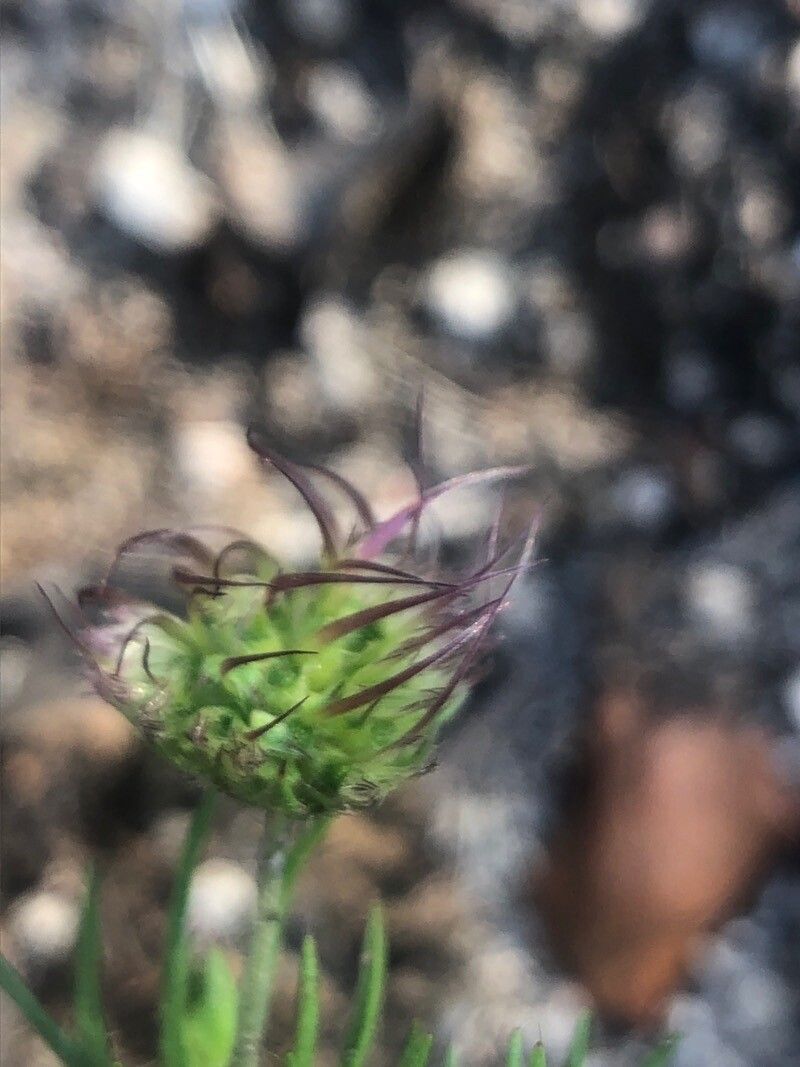
Oh, hello there! Pull up a chair and let’s chat about a truly charming plant: Pterocephalidium diandrum. If you’ve ever seen its delicate, papery blooms gracing a garden, you know what a special something it is. They have this lovely, almost ethereal quality that just makes you smile. Propagating it yourself is such a satisfying endeavor, like bottling a bit of sunshine to keep for yourself. And good news! For those just starting out on their propagation journey, this one is surprisingly forgiving. You can absolutely do this.
The Best Time to Start
For the highest chance of success with your Pterocephalidium diandrum, I always recommend starting in late spring or early summer. This is when the plant is in its most vigorous growth phase. You’ll be harvesting cuttings from healthy, active stems, which have the best energy reserves to put into developing roots. Think of it as tapping into nature’s peak performance!
Supplies You’ll Need
Gathering your supplies beforehand makes the whole process much smoother. Here’s what you’ll want to have on hand:
- Sharp Pruning Shears or a Clean Knife: For making precise cuts.
- Rooting Hormone (Optional, but Recommended): A good quality powder or gel can give your cuttings a helpful boost.
- Well-Draining Potting Mix: I prefer a blend of about 50% potting soil and 50% perlite or coarse sand for excellent aeration.
- Small Pots or Seed Trays: With drainage holes, of course!
- Watering Can with a Fine Rose: To water gently without disturbing cuttings.
- Clear Plastic Bag or Dome: To create a humid microclimate.
- Labeling Stakes and a Waterproof Pen: To keep track of your efforts!
Propagation Methods
Pterocephalidium diandrum is most readily propagated from stem cuttings. It’s straightforward and gives you a great return on your effort.
- Take Your Cuttings: On a bright, but not scorching hot, morning, select healthy, non-flowering stems from your mature plant. You’re looking for stems that are about 4-6 inches long. Make a clean cut just below a leaf node (where a leaf attaches to the stem). Remove the lower leaves, leaving just a few at the top.
- Prepare the Cutting: If you’re using rooting hormone, dip the cut end of the stem into the powder or gel, tapping off any excess. This helps the stem form roots more quickly.
- Plant Your Cuttings: Fill your small pots or trays with your well-draining potting mix. Make a small hole in the center with your finger or a pencil. Gently insert the cutting into the hole, making sure the leaf nodes are below the soil surface. Firm the soil gently around the stem.
- Create the Humid Environment: Water the soil thoroughly until water drains from the bottom. Then, place the pots inside a clear plastic bag (loosely tied so there’s still some air circulation) or cover them with a clear plastic dome. This traps moisture and humidity, which is crucial for cuttings that can’t yet absorb water through roots.
- Provide Light and Warmth: Place your newly potted cuttings in a bright spot that receives indirect sunlight. Avoid direct sun, as this can scorch the delicate cuttings. A warm location, perhaps on a heat mat (if you have one), can also speed up root development.
The “Secret Sauce” (Pro Tips)
Here are a couple of things I’ve learned over the years that can really make a difference:
- Don’t Let Those Leaves Touch Water: If you opt for water propagation (which can work, but I find cuttings in soil tend to be sturdier), make absolutely sure that the leaves of your cutting are not submerged in the water. Only the cut stem end should be touching. Leaves sitting in water are prone to rot, and that’s exactly what we don’t want!
- Bottom Heat is Your Friend: If you have the space, using a seedling heat mat under your pots can significantly speed up the rooting process. It mimics the warmth of spring soil and encourages the cuttings to focus their energy on root development rather than just staying alive. It’s a subtle but powerful advantage.
Aftercare & Troubleshooting
Once you start to see new growth emerging from the top of your cuttings, that’s a fantastic sign! It means roots are forming underneath. Gradually acclimate your new plants to normal humidity by opening the plastic bag or dome a little more each day over a week or so. Once they seem robust, you can transplant them into slightly larger individual pots.
Now, let’s talk about what might go wrong. The most common issue you’ll encounter is rot. If your cuttings turn mushy, black, or simply refuse to perk up after a few weeks, it’s usually a sign of too much moisture and not enough air circulation. This is why that well-draining mix and the initial humidity tent are so important. If you see signs of rot, unfortunately, it’s best to discard the affected cutting and try again. Also, keep an eye out for wilting, which can indicate the cutting hasn’t developed enough roots to support itself, or it might be too dry.
A Encouraging Closing
Propagating plants is a journey of patience and observation. Don’t get discouraged if your first few attempts aren’t perfect. Each time you try, you learn a little more. Embrace the process, celebrate the tiny signs of progress, and soon you’ll have a whole new collection of these delightful Pterocephalidium diandrum to share or enjoy in your own garden. Happy propagating!
Resource: