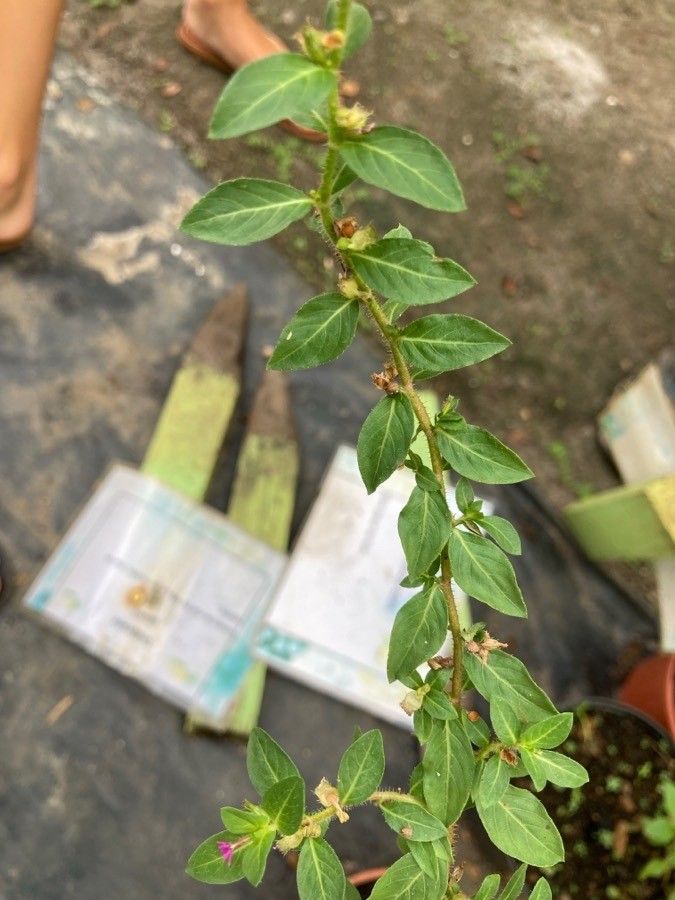
Oh, hello there! It’s so lovely to have you join me in my little corner of the garden. Today, we’re going to talk about a plant that brings me so much joy: Cuphea carthagenensis, often called Puerto Rican waxweed or Mexican heather. It’s a fantastic little plant that offers a delightful splash of color and attracts pollinators like busy little bees. Seeing them thrive is one thing, but being able to create more of them yourself? That’s a special kind of magic. And the good news is, propagating this beauty is quite achievable, even for those just starting out on their gardening journey.
The Best Time to Start
When it comes to getting the best results, I always reach for my pruners in late spring or early summer. This is when the plant is in full swing, actively growing, and has plenty of healthy, new stems to work with. You want to propagate from softwood or semi-hardwood cuttings, which are more pliable and root more readily than old, woody growth. Think of it as capturing that vibrant, youthful energy of the plant.
Supplies You’ll Need
Before we dive in, let’s gather our little helpers:
- Sharp Pruning Shears or Scissors: Clean cuts are crucial for preventing disease and promoting healing.
- Rooting Hormone (Optional but Recommended): This little powder or gel can give your cuttings a significant boost.
- Well-Draining Potting Mix: A good blend of peat moss, perlite, and vermiculite works wonders. You can also use a seed-starting mix.
- Small Pots or Seed Trays: Clean containers are a must!
- Watering Can or Spray Bottle: For gentle hydration.
- Plastic Bags or a Clear Dome: To create a humid environment for your cuttings.
- A Small Trowel or Dibber: For making holes in the soil.
Propagation Methods
Let’s get our hands dirty with the most straightforward ways to multiply your Cuphea.
Stem Cuttings: My Go-To Method
This is my favorite way to propagate Cuphea carthagenensis. It’s reliable and you get a good number of new plants from a single parent.
- Select Your Stems: Look for healthy, non-flowering stems. Aim for cuttings that are about 4-6 inches long.
- Make the Cut: Using your clean pruners, make a clean, angled cut just below a leaf node. A leaf node is where a leaf grows out from the stem, and it’s where roots are most likely to form.
- Prepare the Cuttings: Gently remove the lower leaves. You want to leave just a couple of leaves at the top to help with photosynthesis, but keeping too many can lead to rot in the humid conditions. If you have a longer cutting, you can even snip the remaining leaves in half to reduce water loss.
- Apply Rooting Hormone (If Using): Dip the cut end of the stem into your rooting hormone. Tap off any excess.
- Plant Them Up: Moisten your potting mix so it’s like a wrung-out sponge. Using your trowel or dibber, make a hole in the soil. Gently insert the cutting into the hole, ensuring the leaf nodes that were just below the soil line are covered. Firm the soil gently around the stem.
- Water Gently: Water your newly planted cuttings carefully. You don’t want to dislodge them.
Water Propagation: The See-Through Method
This method is really satisfying because you can watch the roots develop!
- Select and Cut: Follow steps 1 and 2 above for selecting and cutting your stems.
- Remove Lower Leaves: Just like with soil propagation, remove all leaves that would be submerged in water.
- Place in Water: Fill a clean jar or glass with fresh, room-temperature water. Place your cuttings in the water, ensuring no leaves are touching the water’s surface.
The “Secret Sauce” (Pro Tips)
Here are a few little tricks I’ve picked up over the years that can make all the difference:
- The Humidity Hug: Once your cuttings are in pots, cover them with a clear plastic bag, or place them under a clear dome. This creates a mini-greenhouse effect, keeping the humidity high, which is essential for preventing the cuttings from drying out before they can root. Just make sure the bag doesn’t directly touch the leaves.
- Warmth from Below: Cuphea loves a bit of warmth for root development. Placing your pots on a heat mat, or even on top of a warm appliance (like your refrigerator), can significantly speed up the rooting process. It’s like giving them a little cozy bed!
- Patience is a Virtue: Don’t be tempted to yank on your cuttings to check for roots too soon. Resist the urge! You’ll know they’re rooting when you see new leaf growth or feel a gentle tug when you try to dislodge them.
Aftercare & Troubleshooting
Once your cuttings have developed a good root system (you’ll see new growth and they’ll feel secure when gently tugged), it’s time for a little more attention.
- Gradual Acclimation: If you’ve been using a plastic bag, start by opening it for a few hours each day to let the plant get used to drier air. Gradually increase the time it’s exposed until you can remove the bag entirely.
- Watering: Water them when the top inch of soil feels dry. Avoid overwatering; this is the most common cause of failure. Soggy soil leads to root rot, which is often characterized by yellowing leaves and a mushy base. If you see this, act fast – try to dry out the soil and remove any affected parts.
- New Pots: Once they’re looking robust and have a decent root system, you can move them into slightly larger pots with fresh potting mix.
Propagating plants is such a rewarding part of gardening. It’s a chance to watch life unfold, to feel that connection with nature, and to fill your garden (and perhaps your friends’ gardens!) with beautiful plants. Be patient, enjoy the process, and don’t be disheartened if a few don’t make it. Every gardener learns by doing, and with Cuphea carthagenensis, you’re set for a wonderful experience. Happy propagating!
Resource: