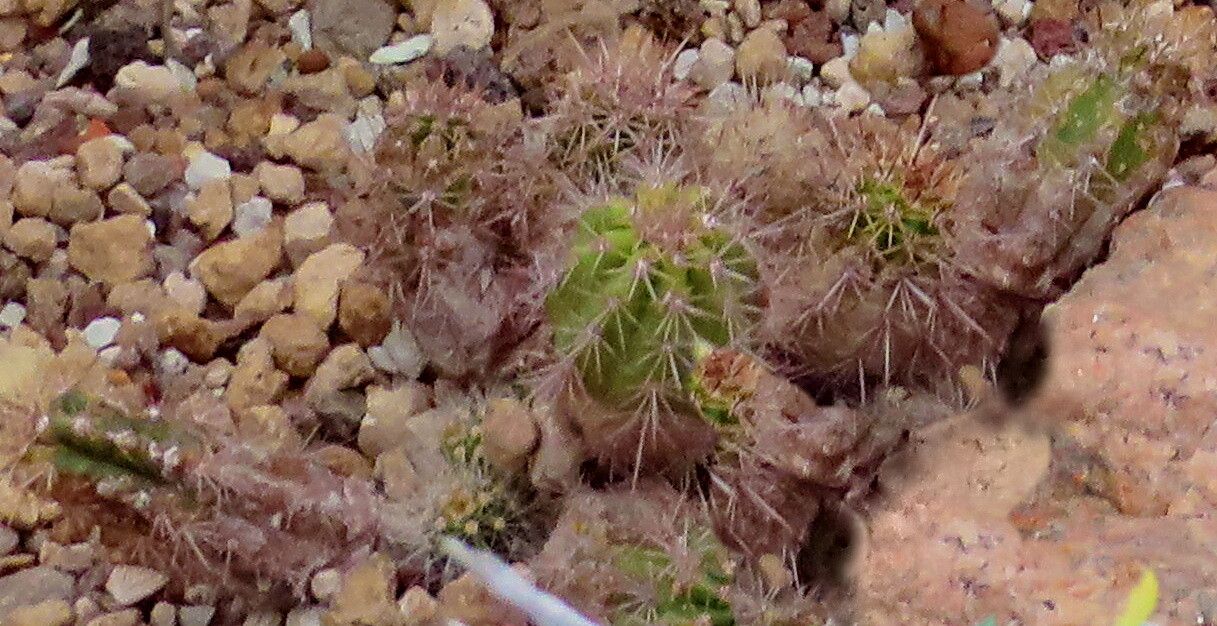
Hello, fellow plant lovers! Today, we’re diving into the wonderful world of Echinocereus scheeri propagation. If you’ve ever admired that gorgeous, spiny beauty and wished you had more of them, then you’re in for a treat. Growing new plants from your existing ones is incredibly rewarding, and with Echinocereus scheeri, it’s a journey that’s well within reach.
Why Echinocereus Scheeri?
Echinocereus scheeri, often called the strawberry cactus for its stunning, showy pink or magenta flowers, is a real showstopper. It’s the kind of cactus that makes you pause and really appreciate nature’s artistry. Propagating it gives you more of these vibrant blooms and a chance to share the joy with friends.
Now, is it a cinch for a total beginner? Honestly, I’d say it’s moderately easy. It’s not as forgiving as, say, a snake plant, but with a little attention to detail, you’ll be a pro in no time.
The Best Time to Start Your Propagation Journey
The sweet spot for propagating Echinocereus scheeri is during its active growing season. This typically falls in late spring and early summer. You’ll know it’s actively growing when you see new plump segments or buds forming. Starting during this time means your cuttings or divisions have plenty of energy to put into root development. Avoid doing this in the dead of winter when the plant is dormant.
Supplies You’ll Need
Gathering your tools beforehand makes the whole process so much smoother. Here’s what I always have on hand:
- Sharp, sterile knife or pruning shears: Cleanliness is key to preventing infection. A quick wipe with rubbing alcohol does the trick.
- Well-draining cactus or succulent potting mix: You can buy a specific mix or create your own by combining potting soil with perlite, pumice, or coarse sand (about a 1:1 ratio).
- Rooting hormone (optional but recommended): This can give your cuttings a helpful boost in developing roots.
- Pots or trays: Small nursery pots (3-4 inches) or seedling trays work wonderfully. Make sure they have drainage holes!
- Gravel or pebbles (for drainage): A little layer at the bottom of pots can help even more.
- Spray bottle: For gentle watering.
- Gloves: Cacti can be poky, so protection is a good idea!
Propagation Methods: Getting Down to Business
Echinocereus scheeri is best propagated through stem cuttings or offsets.
Stem Cuttings: Taking a “Baby”
This is my favorite method! It’s like taking a little piece of your plant to grow into a whole new one.
- Select a healthy stem: Look for a plump, mature stem that’s not too old or too etiolated (stretched out).
- Make a clean cut: Using your sterile knife or shears, make a clean cut where the stem detaches from the main plant. Try to get a segment that’s at least a few inches long, with a few areoles (where the spines grow).
- Allow it to callus: This is CRUCIAL. Place the cutting in a dry, well-ventilated area out of direct sunlight for 3-7 days. You want the cut end to dry out and form a firm, callus-like layer. This prevents rot when you plant it.
- Prepare the pot: Fill your chosen pot with your fast-draining cactus mix. Make a small hole in the center with your finger or a pencil.
- Plant the cutting: If you’re using rooting hormone, dip the callused end into it. Then, gently insert the callused end into the pre-made hole in the soil. Firm the soil around it lightly.
- Hold off on watering: Do NOT water right away. Wait at least a week, then water very sparingly.
Division: Sharing the Love
If your Echinocereus scheeri has grown into a clump with multiple stems or offsets at its base, division is a great option.
- Gently remove the plant: Carefully unpot your cactus. You might need to loosen the soil around the edges.
- Examine the root ball: Look for natural separation points where stems have formed their own roots.
- Separate the divisions: Using your clean knife or hands, gently pull apart the divisions. If they are strongly attached, a clean cut might be necessary. Try to get as many roots as possible with each division.
- Allow to callus: Just like stem cuttings, let the cut or pulled ends of any divisions sit out to callus for 2-4 days.
- Pot it up: Plant each division in its own pot filled with cactus mix, burying the basal part of the stem just enough so it’s stable.
- Water cautiously: Wait a few days before watering.
The “Secret Sauce”: My Insider Tips
- Don’t rush the callusing: Seriously, this is where most people go wrong with succulents and cacti. That dry layer is your best friend against rot. Give it enough time.
- Bottom heat can be a game-changer: If you have a heated propagator mat, placing your pots on it will encourage faster root development, especially if your indoor temperatures are cooler. It mimics the warmth of spring.
- A light mist is better than a flood: When you do start watering, aim for light, infrequent watering. I like to mist the surface of the soil until I see signs of roots, then switch to a more traditional watering schedule.
Aftercare & Troubleshooting
Once your cutting or division is planted, patience is key!
Signs of New Life: You’ll know roots are forming when the cutting feels secure in the soil and you might even see a tiny bit of new growth. This can take anywhere from a few weeks to a few months, so don’t get discouraged if it’s not immediate.
Watering Routine: Once roots are established, water thoroughly when the soil is completely dry. Let it drain completely. Avoid overwatering, as this is the quickest way to invite root rot.
Troubleshooting: The most common issue is rot. If your cutting looks mushy, discolored, or smells foul, it’s likely rotted. In this case, sadly, it’s usually best to discard it. If you catch it early, you might be able to cut away the rotted section and let it callus again, but it’s a tough recovery. Pests are less common with propagated cacti, but keep an eye out for mealybugs.
A Little Patience, A Lot of Reward
Propagating Echinocereus scheeri is a journey of observation and patience. You’re essentially nurturing a new life, and there’s immense satisfaction in seeing those roots take hold and a new plant emerge. Don’t be afraid to experiment a little, learn from each try, and most importantly, enjoy the process! Happy propagating!
Resource: