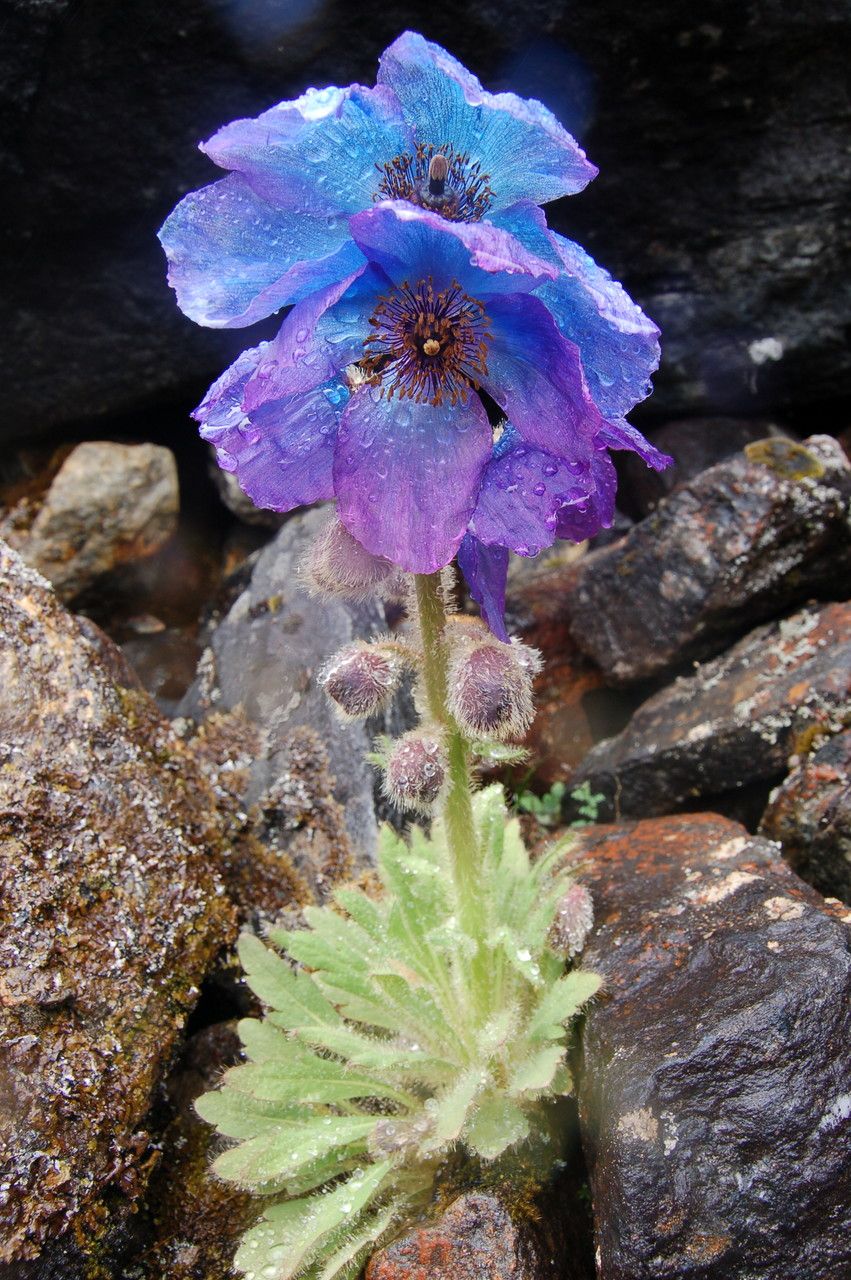
Oh, the Bhutanese Blue Poppy… what a showstopper! If you’ve ever had the pleasure of seeing Meconopsis bhutanica unfurl its impossibly vibrant blue petals, you understand the allure. It’s a true jewel in the garden, a splash of celestial color that makes you feel like you’ve stumbled into a secret alpine paradise. And trust me, coaxing a new one into existence from a parent plant? That’s a feeling of accomplishment you won’t soon forget. Now, let’s be frank. Meconopsis bhutanica isn’t exactly a beginner’s “throw it in the ground and forget it” kind of plant. It prefers cooler climes and a bit of pampering. But with a little know-how and a lot of patience, it’s absolutely achievable.
The Best Time to Start
For Meconopsis bhutanica, I’ve found that late spring or early summer, just as the plant is finishing its spectacular bloom, is your sweet spot. This is when the plant is actively growing and has plenty of energy to put into new growth. Waiting until after the main flowering period ensures you’re not stressing out a plant that’s already working hard to impress.
Supplies You’ll Need
Gathering your tools beforehand makes the whole process much smoother. Here’s what I always have on hand:
- Sharp, sterilized pruning shears or a clean knife: We need clean cuts to prevent disease.
- Well-draining potting mix: A blend of peat moss, perlite, and a little bit of compost works wonders. I often add a good handful of coarse sand for extra drainage.
- Rooting hormone powder or gel: This isn’t strictly mandatory, but it does give your cuttings a significant boost.
- Small pots or propagation trays: Cleanliness is key here.
- Clear plastic bags or a propagation dome: To create a humid microclimate.
- Watering can with a fine rose: Gentle watering is essential.
- Optional: Bottom heat mat: This can speed things up considerably, especially if your ambient temperature is a bit cool.
Propagation Methods
For Meconopsis bhutanica, the most reliable method is vegetative propagation through offsets or basal cuttings. While it can be tricky to get stem cuttings to root, these methods tap into the plant’s natural way of spreading.
Propagating from Offsets (The Easiest Way)
- Inspect Your Plant: After flowering, look around the base of your Meconopsis bhutanica. You might see small, baby plantlets emerging from the soil near the parent. These are your offsets!
- Gently Loosen the Soil: Carefully dig around the base of the parent plant with your hands or a small trowel.
- Separate the Offsets: Wiggle the offsets gently. If they come away cleanly with their own roots attached, fantastic! If they’re still a bit joined, use your clean knife to carefully sever them from the parent, making sure each offset has at least a few tiny roots.
- Potting Up: Fill your clean pots with your prepared, free-draining soil mix. Make a small well in the center of each pot.
- Planting: Place each offset into its pot, gently firming the soil around its base. Ensure the crown of the plant sits just above the soil line.
Propagating from Basal Cuttings (A Little More Involved)
- Identify Promising Growth: Look for strong, healthy shoots emerging from the base of the plant during the late spring/early summer window.
- Make the Cut: Using your sterilized knife or shears, make a clean cut just above a leaf node, close to the main stem. You’re aiming for a cutting about 4-6 inches long.
- Prepare the Cutting: Gently remove any lower leaves, leaving just a few at the top. If the cutting feels a bit floppy, you can “wound” the base slightly by scraping off a thin sliver of outer bark on one side, about half an inch long.
- Apply Rooting Hormone: Dip the cut end into rooting hormone powder or gel, tapping off any excess.
- Planting: Fill a small pot with your moist, well-draining mix. Make a hole with a pencil or your finger and insert the cutting, ensuring the hormone-coated end is well within the soil. Gently firm the soil around it.
The “Secret Sauce” (Pro Tips)
- When planting offsets or cuttings, don’t bury the crown of the plant. This is the point where leaves emerge from the roots. If it’s covered, it’s prone to rot, and that’s a quick way to lose your precious new plant.
- For those basal cuttings, consider giving them a little warmth from below. Using a heating mat set to a gentle warmth (around 70°F or 21°C) can really encourage root development. It mimics what happens naturally when the soil warms up in spring.
- Don’t overwater! This is probably the biggest mistake people make with sensitive plants like Meconopsis. The soil should be consistently moist, but never soggy. Think damp sponge, not a swamp.
Aftercare & Troubleshooting
Once your offsets or cuttings are potted, it’s time to create their cozy habitat.
- Humidity is Key: Cover your pots with clear plastic bags or a propagation dome. This traps moisture and creates the high humidity that these cuttings desperately need while they root. Just be sure to open the bag for a few minutes every day or two to allow for air circulation and prevent fungal issues.
- Light: Place them in a bright, indirect light location. Avoid direct sunlight, which can quickly scorch delicate new growth and dry out the propagation environment.
- Patience, My Friend: Rooting can take anywhere from four to eight weeks, sometimes longer. You’ll know they’re rooting when you see new leaf growth or feel a slight resistance when you gently tug on the cutting.
- Troubleshooting: The most common issue you’ll face is rot. If a cutting goes black and mushy, it’s a sign of too much moisture and not enough air. Remove it immediately and try again, perhaps with slightly drier soil and more frequent airing. If you see mold, increase air circulation.
A Sweet Farewell
See? It’s not an insurmountable task! Propagating Meconopsis bhutanica is a journey, and like any good gardening adventure, it requires patience and a willingness to learn. Don’t be discouraged if your first attempts aren’t perfect. Each try will teach you something new. Enjoy the process of nurturing these delicate plants, and soon enough, you’ll have your own corner of Bhutan right in your garden! Happy propagating!
Resource: