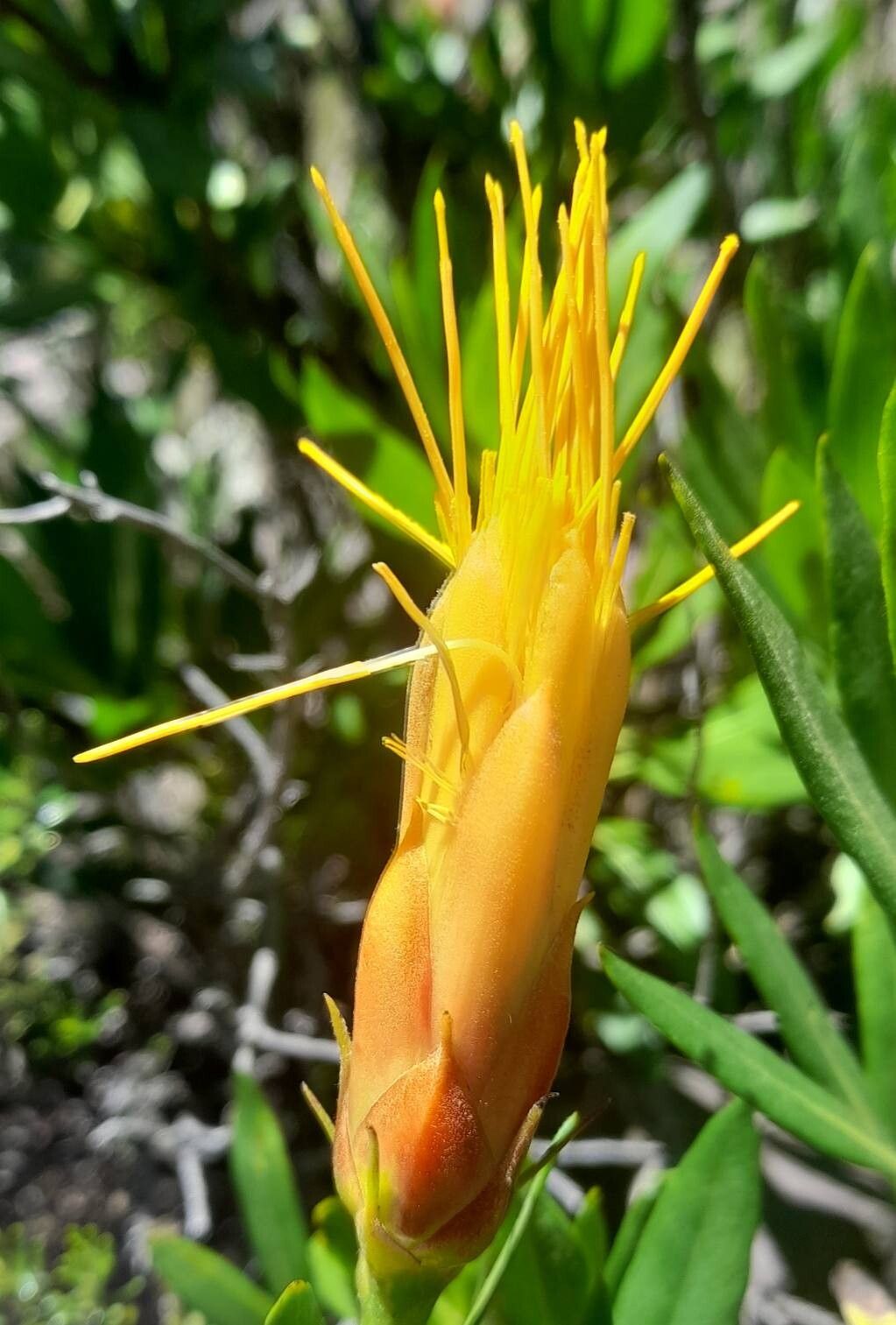
Hello fellow plant lovers!
I’m so thrilled you’re interested in Mutisia kurtzii. This incredible vine, with its showy, daisy-like orange flowers, truly brings a burst of sunshine to any garden. Watching those vibrant blooms unfurl is pure joy! And the best part? You can bring that joy back to your garden by propagating it yourself. Now, I won’t lie, Mutisia kurtzii can be a little bit of a diva when it comes to propagation. It’s not exactly a beginner’s “stick it in the ground and it’ll grow” kind of plant, but with a bit of care and the right approach, it’s absolutely achievable and incredibly rewarding.
The Best Time to Start
For the highest success rate with Mutisia kurtzii, I’ve found that late spring to early summer is your sweet spot. This is when the plant is actively growing and has plenty of energy to dedicate to putting down new roots. You want to be taking cuttings from healthy, new, but not overly soft, growth. Think of it as taking a cutting that’s just reached maturity – not too young, not too old.
Supplies You’ll Need
Gathering your tools beforehand makes the whole process smoother, doesn’t it? Here’s what I always have on hand:
- Sharp, clean pruning shears or a craft knife: A clean cut is crucial to prevent disease.
- Rooting hormone powder or gel: This is your secret weapon for encouraging strong root development.
- Well-draining potting mix: I like to use a blend of equal parts perlite, peat moss, and compost. Some people swear by pure perlite or a fine bark mix.
- Small pots or propagation trays: Three to four-inch pots work wonderfully.
- Plastic bags or a propagator: To maintain humidity around your cuttings.
- Labels and a marker: To keep track of your cuttings!
Propagation Methods
Most often, I find success with stem cuttings. It’s straightforward, and you can get several new plants from one healthy parent.
Stem Cuttings:
- Select your stem: Look for a piece of stem that is about 6-8 inches long. It should have at least two sets of leaves. Again, aim for healthy, semi-hardwood growth.
- Make the cut: Using your clean shears or knife, make a clean cut just below a leaf node. This is where roots are most likely to form.
- Prepare the cutting: Gently remove the lower leaves, leaving just one or two at the very top. This prevents them from rotting in the potting mix.
- Apply rooting hormone: Dip the cut end of the stem into your rooting hormone, tapping off any excess.
- Plant your cutting: Make a small hole in your prepared potting mix with your finger or a pencil. Insert the cutting, ensuring the leaf node is buried. Gently firm the soil around the stem.
- Water gently: Water the potting mix thoroughly until it’s evenly moist, but not waterlogged.
- Create a humid environment: Place the pot into a clear plastic bag, or cover it with a propagator lid. This traps moisture and creates a mini-greenhouse. Make sure the leaves aren’t touching the sides of the bag if possible.
- Provide bright, indirect light: Place your cuttings in a spot that receives plenty of bright, filtered light, but out of harsh direct sun.
The “Secret Sauce” (Pro Tips)
Here are a couple of things I’ve learned over the years that really make a difference:
- Don’t let those leaves touch the water (or soil moisture)! If you’re doing water propagation (which can be hit or miss with Mutisia, but some try), ensure the leaves stay above the waterline. For soil cuttings, this is why we remove lower leaves – they can turn into a slimy mess and invite rot.
- Bottom heat is your friend! Mutisia roots love a little warmth from below. Placing your pots on a gentle heat mat specifically designed for propagation can significantly speed up root formation. Just be sure it’s not too hot!
Aftercare & Troubleshooting
Once your cuttings have been potted, patience is key! Keep the soil consistently moist but not soggy. Check daily, and if the soil surface feels dry, give it a light watering. You’ll want to air out the plastic bag or propagator for a few minutes each day to prevent fungal issues.
You’ll know your cutting has rooted when you see new growth appearing and if you give the cutting a very gentle tug, there’s resistance. This usually takes anywhere from 4-8 weeks, sometimes longer.
The most common sign of failure is rot. If your cutting turns black and mushy, it’s likely succumbed to rot. This often happens from too much moisture, poor air circulation, or not using clean tools. If you see a bit of wilting, don’t despair immediately. Sometimes they just need a little time to adjust. Remove any completely dead or rotten material.
A Encouraging Closing
Propagating Mutisia kurtzii is a journey, and like all good gardening adventures, it requires patience and a willingness to learn from each attempt. Don’t be discouraged if your first try isn’t a complete success. Celebrate the small victories, and most importantly, enjoy the process of nurturing these beautiful plants from tiny cuttings into magnificent new additions to your garden. Happy propagating!
Resource:
https://identify.plantnet.org/k-world-flora/species/Mutisia%20kurtzii%20R.E.Fr./data