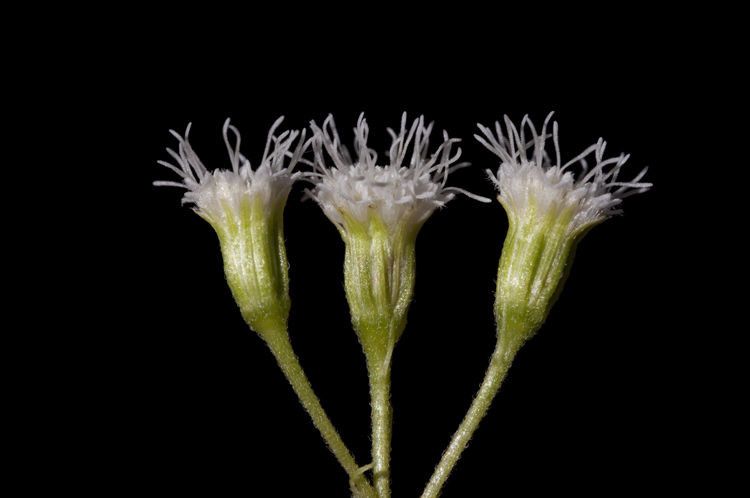
Alright, my fellow plant enthusiasts! Today, we’re diving into the delightful world of propagating Ageratina rothrockii. If you’ve ever admired this beauty in a garden – with its charming clusters of delicate white flowers that seem to catch the light just so – you know why it’s a real star. And the best part? You can easily bring more of that magic into your own space by propagating it. I’ve found this particular plant to be wonderfully rewarding to propagate, even for those of you just dipping your toes into the world of plant multiplication.
The Best Time to Start
For Ageratina rothrockii, like many leafy perennials, the sweet spot for propagation is typically in late spring to early summer. This is when the plant is in a strong growth phase and has plenty of vibrant, healthy stems to work with. I find I have the highest success rate when I take cuttings just as the plant is bursting with new growth but before it gets too leggy or goes into full bloom.
Supplies You’ll Need
Here’s what you’ll want to have on hand before we get started. It’s always good to be prepared!
- Sharp pruning shears or clean knife: For making clean cuts.
- A good quality potting mix: I like a well-draining mix, often a blend of potting soil, perlite, and a bit of compost. Think of it as giving your new baby roots a comfortable, airy home.
- Small pots or trays: Clean ones are a must to prevent disease.
- Rooting hormone (optional but recommended): This little powder can give your cuttings a significant boost.
- Watering can with a fine rose: For gentle watering.
- Plastic bag or propagation dome: To create a humid environment.
Propagation Methods
Ageratina rothrockii is quite forgiving and can be propagated using a couple of straightforward methods. I’ll walk you through my favorites.
Stem Cuttings: My Go-To Method
This is my tried-and-true technique for increasing my Ageratina rothrockii collection.
- Select healthy stems: Look for new, green growth that’s not woody. You want stems that are supple and full of life.
- Make the cut: Using your sharp shears, cut a stem about 4-6 inches long. Make the cut just below a leaf node (where a leaf joins the stem). This is where the magic happens for root development!
- Prepare the cutting: Gently remove the lower leaves from the stem, leaving just a few at the top. You can leave the top two sets of leaves on.
- Apply rooting hormone (optional): If you’re using rooting hormone, dip the cut end into the powder, tapping off any excess.
- Plant your cuttings: Fill your small pots with your prepared potting mix. Make a small hole with your finger or a pencil and gently insert the trimmed end of the cutting. Firm the soil gently around the stem to ensure good contact.
- Water gently: Water thoroughly but carefully, so you don’t dislodge the cuttings.
- Create humidity: Cover the pots with a clear plastic bag or a propagation dome. This will trap moisture and create a mini-greenhouse effect, which is crucial for preventing the cuttings from drying out. Make sure the leaves aren’t touching the sides of the bag.
Water Propagation: The Patient Approach
If you prefer to watch the roots emerge, water propagation is a lovely alternative.
- Prepare your cuttings: Follow steps 1-3 from the stem cuttings method.
- Place in water: Put your cuttings in a clean jar or vase filled with fresh water. Make sure that the leaf nodes you removed are submerged, but crucially, don’t let any leaves touch the water. They will rot and can take your cutting down with them.
- Find a bright spot: Place the jar in a location with bright, indirect light.
- Change the water regularly: Change the water every few days to keep it fresh and prevent bacterial growth.
- Wait for roots: You should start to see tiny white roots emerging from the nodes within a few weeks. Once the roots are about an inch long, it’s time to transplant them into soil.
The “Secret Sauce” (Pro Tips)
Here are a couple of things I’ve learned over the years that really make a difference.
- Bottom Heat is Your Friend: If you can, placing your pots on a gentle heating mat designed for plants can significantly speed up root formation. It mimics the warmth of spring soil and gives those roots a real pep in their step.
- Don’t Be Afraid to Pinch: Once your cuttings have rooted and started to grow, pinch off the tip of the main stem. This encourages the plant to branch out, creating a fuller, bushier specimen.
Aftercare & Troubleshooting
Once you see signs of new growth – little leaves unfurling or the plant feeling a bit more resistant when gently tugged – you know your cutting has rooted!
- Acclimate Gradually: If you used a plastic bag or dome, gradually remove it over a few days to let your new plant adjust to normal humidity levels.
- Watering: Water when the top inch of soil feels dry. Avoid overwatering, as this is the quickest way to lose a new plant.
- Light: Continue to provide bright, indirect light. As it grows, you can slowly introduce it to more direct sun if your adult plant prefers it.
What if things don’t go as planned? The most common issue is rot, which usually happens from overwatering or poor drainage. If a cutting looks mushy or black at the base, unfortunately, it’s probably too late for that one. Don’t despair! Just start again with a fresh cutting and pay close attention to your watering. It’s all part of the learning process.
A Little Patience Goes a Long Way
Propagating plants is a beautiful way to connect with nature and create more of what you love. It takes a little patience, a bit of observation, and a willingness to try. Don’t get discouraged if your first few attempts aren’t perfect. Just keep at it, and before you know it, you’ll have a whole garden full of Ageratina rothrockii. Happy propagating!
Resource: