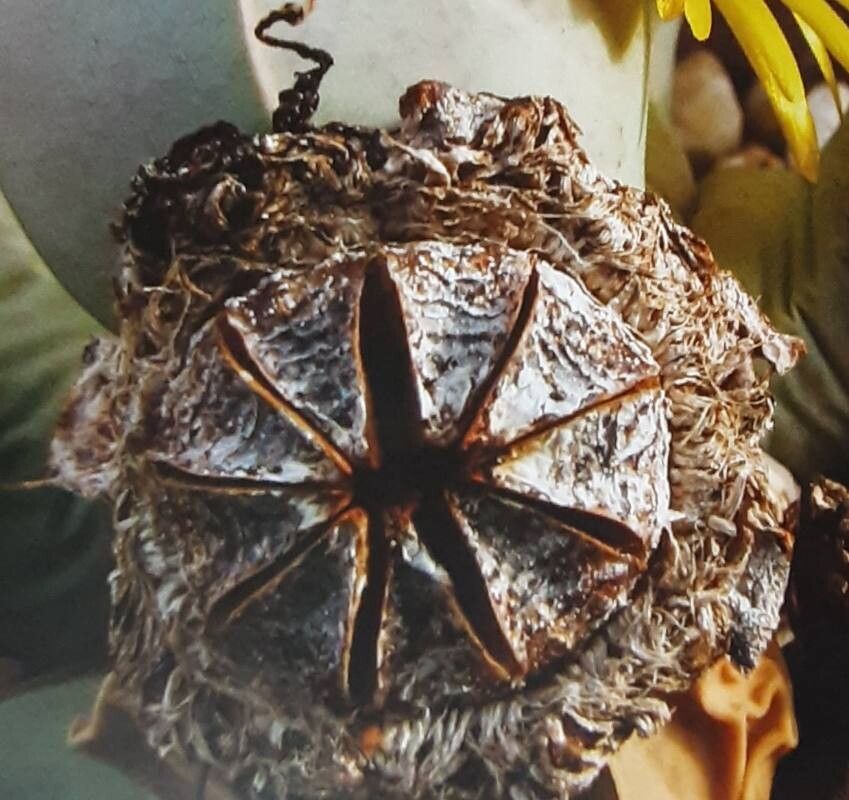
Hello fellow plant lovers! Today, we’re diving into the delightful world of Lapidaria margaretae, also known as the living jewel cactus. If you’ve ever seen one of these beauties, you know why they’re so captivating. Their segmented, crystalline-like leaves resemble little polished stones, and their rare, vibrant flowers can be an absolute showstopper. Propagating them, while not exactly a “set it and forget it” kind of deal, is incredibly rewarding. It’s a plant that demands a little attention, so I wouldn’t necessarily call it beginner-friendly, but with the right approach, you’ll be successful.
The Best Time to Start
For Lapidaria margaretae, the prime time to think about propagation is during their active growing season. This typically falls in the spring and early summer. You’re looking for healthy, established plants that are showcasing good growth. Trying to propagate from a plant that’s stressed or dormant is like asking a sleepy bear to do your taxes – not likely to yield good results!
Supplies You’ll Need
Gathering your supplies beforehand makes the whole process much smoother. Here’s what I usually have on hand:
- Well-draining soil mix: A cactus or succulent mix is ideal. I often add a bit of perlite or pumice for extra aeration. Think grit, grit, grit!
- Sharp, clean pruning shears or a knife: You want a clean cut to prevent disease. Sterilize them with rubbing alcohol.
- Rooting hormone (optional, but recommended): A bit of powdered or gel rooting hormone can give your cuttings a helpful boost.
- Small pots or trays: Make sure they have drainage holes. Think terracotta or plastic, but drainage is non-negotiable.
- Gloves: Some succulents can have a sticky sap.
- A spray bottle: For gentle misting.
- Patience! Seriously, this is the most important tool.
Propagation Methods
For Lapidaria margaretae, the most straightforward method is division. These plants tend to form clumps over time, and separating these offsets is a fantastic way to create new plants.
Here’s how I do it:
- Gently unpot your parent plant. Try to do this when the soil is dry. This makes it easier to work with and less messy.
- Examine the base of the plant. You’ll likely see smaller segments or offsets budding from the main stem.
- Carefully separate the offsets. Use your clean pruning shears or knife to cut them away from the parent plant. Try to get a good root system if there’s one already established on the offset. If not, don’t worry too much; it will grow new roots.
- Allow the cut ends to callus. This is crucial to prevent rot. Place the separated offsets in a dry, well-ventilated spot for 2-3 days, or even up to a week if the humidity is high. You want to see a dry, protective layer form over the cut surface.
- Pot up your offsets. Plant them in your prepared well-draining soil mix. I typically plant them just deep enough so they are stable, leaving most of the “stone” visible.
- Hold off on watering immediately. Wait at least a week after potting before giving them their first light watering. This gives any tiny wounds time to heal down in the soil.
The “Secret Sauce” (Pro Tips)
After years of coaxing these little gems, I’ve learned a few tricks that really make a difference:
- Watering is key, but less is more initially. When you do water, water thoroughly until it runs out the drainage holes. Then, let the soil dry out completely before watering again. Overwatering is the quickest way to a mushy, unhappy plant. For newly potted divisions, even less water initially is better. Think of it as encouraging them to send out roots in search of moisture.
- Bottom heat can be a game-changer. If you’re propagating in a cooler environment or during a slightly cooler part of the growing season, a seedling heat mat can significantly speed up root development. Just place your potted divisions on top of the mat. It provides gentle warmth without drying out the soil too quickly.
- Don’t be afraid of bright light, but avoid direct scorching sun. Once your divisions are potted and have had a few days to settle, they appreciate bright, indirect light. Direct, intense afternoon sun can scorch their delicate leaves. A bright windowsill that gets morning sun is usually perfect.
Aftercare & Troubleshooting
Once you see signs of new growth or feel a gentle tug when you lightly test the offset, you know they are rooting! At this point, you can gradually increase watering frequency, always following the “dry out completely” rule.
The most common problem you’ll encounter is rot. If an offset turns mushy, black, or smells foul, it’s usually a sign of overwatering or a poor callus. Sadly, if rot sets in, it’s often too late to save that particular piece. The best thing you can do is remove the affected portion and ensure the remaining plant is in very dry soil. Prevention through proper watering and good drainage is always the best medicine!
A Encouraging Closing
Propagating Lapidaria margaretae is a journey, and like any good journey, it requires patience and observation. Don’t get discouraged if your first attempts aren’t a raging success. Each plant, and each propagation attempt, teaches you something new. Enjoy the process of nurturing these tiny living jewels, and soon you’ll have a beautiful collection to admire! Happy growing!
Resource: