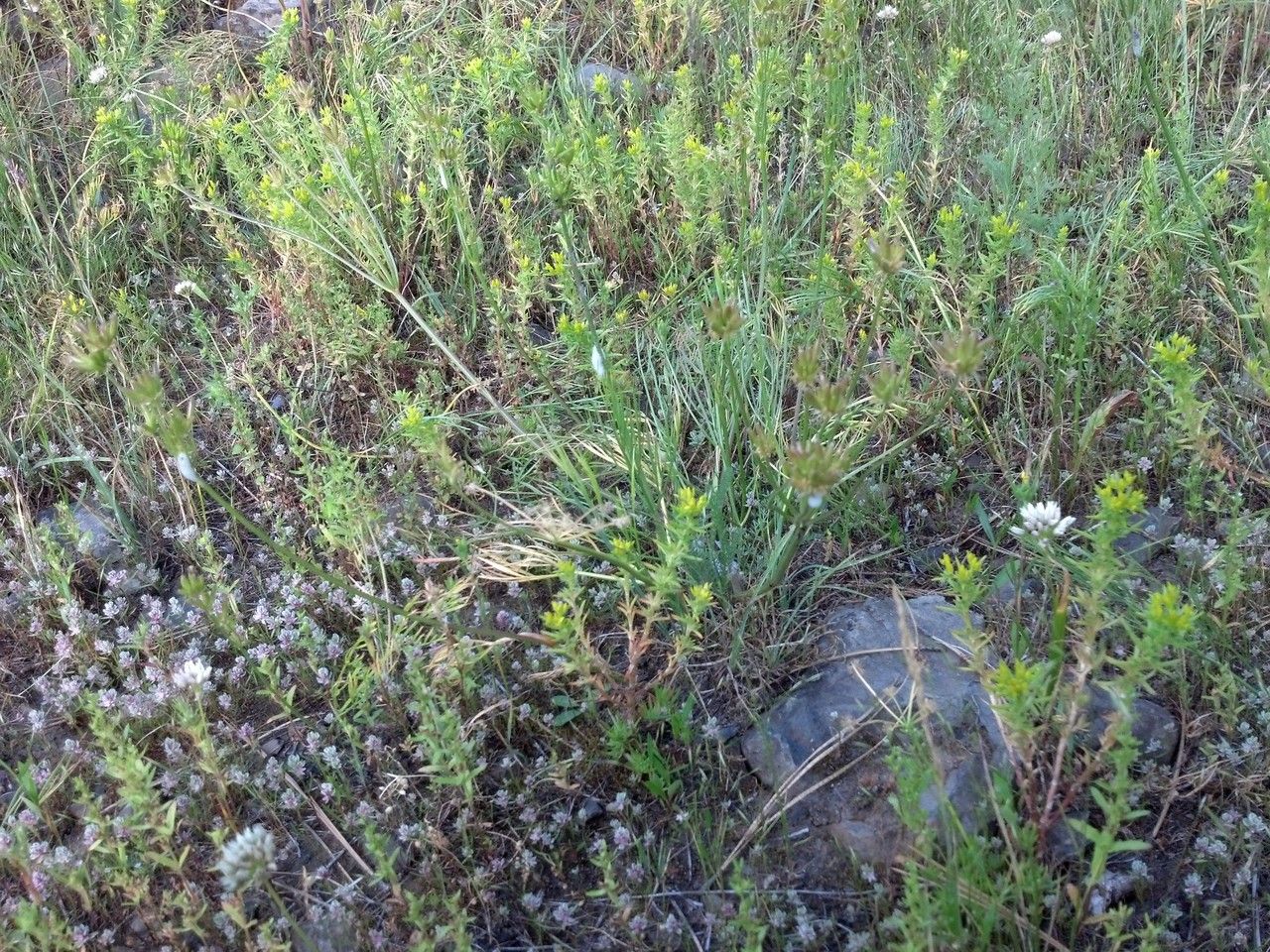
Hello, fellow garden enthusiasts! If you’ve ever been captivated by the delicate, feathery beauty of Lomatium bicolor, you’re in for a treat. This native wildflower, often called Two-color Lomatium or Biscuitroot, graces our landscapes with its intricate foliage and charming umbels of flowers. And the most rewarding thing? Getting more of these beauties to call your own!
Propagating Lomatium bicolor might sound a little daunting at first, especially if you’re new to the plant propagation game. I’ll be honest, it’s not quite as straightforward as whipping up a batch of cuttings from a geranium. But with a little care and the right approach, it’s absolutely doable and incredibly satisfying. Think of it as earning your green thumb stripes!
The Best Time to Start
For Lomatium bicolor, patience is indeed a virtue, and so is timing. The absolute best time to attempt propagation is in the fall, after the plant has finished flowering and gone dormant. You’re looking for the ripe seed, which means the seed heads will have matured and may even be starting to dry on the plant. This is when its natural propagation cycle is gearing up.
Supplies You’ll Need
Gathering your supplies beforehand makes the whole process smoother. Here’s what I usually have on hand:
- Clean, sharp pruning shears or a sharp knife: For taking cuttings or dividing. Sterilize them with rubbing alcohol between cuts to prevent disease.
- Seed-starting mix: A light, well-draining mix is crucial. I like to use a blend of equal parts peat moss, perlite, and vermiculite.
- Small pots or seed trays: With good drainage holes.
- A spray bottle: For gentle watering.
- Optional, but helpful: Rooting hormone powder (for cuttings): While Lomatium bicolor isn’t the easiest to root from cuttings, some gardeners have success with it.
- Optional, but helpful: Small labels: To mark your efforts!
- A sunny windowsill or protected outdoor spot: Depending on the season and your climate.
Propagation Methods
Let’s dive into how we can encourage new Lomatium bicolor plants.
From Seed (The Most Reliable Method)
This is where you’ll find the most success with Lomatium bicolor.
- Harvesting Seeds: As mentioned, in the fall, keep an eye on your mature Lomatium plants. Look for the seed heads that are turning brown and feel dry. Carefully collect the seed heads, placing them in a paper bag to finish drying indoors. You’ll likely see the seeds loosening within the head.
- Stratification is Key: Lomatium bicolor seeds often require a period of cold, moist stratification. This mimics winter conditions and tells the seed it’s time to sprout.
- Mix your seeds with a lightly dampened medium like vermiculite or sand.
- Place this mixture in a sealed plastic bag or a small container.
- Store it in the refrigerator for 60-90 days. Check periodically to ensure the medium stays slightly damp, not wet.
- Sowing the Seeds: After stratification, it’s time to plant!
- Fill your pots or trays with the seed-starting mix.
- Sow the seeds about ¼ inch deep.
- Water gently with your spray bottle, ensuring the soil is moist but not waterlogged.
- Keep the pots in a cool, bright location. Many people find success sowing these seeds outdoors in late fall or early spring, allowing nature to do much of the work with natural stratification and germination. If starting indoors, you might try a cooler spot in your home or even a cool greenhouse.
- Germination and Early Care: Germination can be slow and erratic. Don’t get discouraged if nothing happens for weeks, or even months! Once seedlings appear, keep the soil consistently moist and provide good light. Avoid overwatering; this is a common pitfall.
From Division (For Established Plants)
If you have a mature, healthy clump of Lomatium bicolor, division is another option, though it’s best done when the plant is dormant.
- Timing is Everything: This is best done in early fall or very early spring, just as the plant begins to emerge or before it really gets going.
- Gently Excavate: Carefuly dig around the base of the plant, trying to loosen the entire root ball without causing too much damage. You want to see where the existing crowns are.
- Divide the Clump: Using your hands or a clean trowel, gently pull or cut the clump apart into smaller sections. Each division should have at least one healthy root system and a bit of the crown from which new growth emerges.
- Replant Immediately: Get your divisions replanted into new spots in your garden or into pots filled with your well-draining soil mix. Water them in well and keep the soil consistently moist as they establish.
The “Secret Sauce” (Pro Tips)
Here are a few things I’ve learned over the years that make a difference.
- Mimic Natural Conditions for Seed: Lomatium bicolor‘s seeds are designed to germinate after a cold winter. So, don’t rush them! Cold stratification is non-negotiable. And if you can sow them directly outdoors in the fall, you’re setting them up for the best chance.
- “Air Pruning” for Roots: When starting seeds in trays or small pots, if you notice the roots starting to poke out the bottom drainage holes, that’s actually a good thing! It means the roots are getting plenty of oxygen and air pruning themselves, which encourages a stronger root system before transplanting. Just be careful not to let them dry out once they’re exposed.
- Don’t Fuss Too Much: Lomatium can be a bit sensitive to overhandling or being disturbed excessively once established. Once you’ve sown seeds or divided a plant, try to give them space and focus on providing the right conditions rather than constantly checking on them.
Aftercare & Troubleshooting
Once you see that first sign of life – whether it’s a tiny seedling or new growth on a division – it’s time for watchful care.
- Watering: Continue to keep the soil consistently moist, but never soggy. This is the most critical part. Overwatering is the quickest way to lose a young Lomatium. A good watering every few days, or when the top inch of soil feels dry, is usually about right.
- Light: Young seedlings will benefit from bright, indirect light. Too much direct sun too early can scorch them. As they grow stronger, they can gradually be introduced to more sun.
- Fertilizing: Generally, Lomatium bicolor doesn’t need much in the way of fertilizer, especially if you’ve used a good seed-starting mix. Too much can actually be detrimental. Let them focus on establishing their root systems.
Troubleshooting:
- Damping Off: This is a fungal disease that affects seedlings, causing them to rot at the soil line and collapse. It’s usually caused by overwatering and poor air circulation. If you see this, remove the affected seedlings immediately and try to improve air flow around the remaining ones. Sterilizing your pots and tools can help prevent this.
- No Germination: If your seeds aren’t sprouting after a long time, it’s possible they didn’t get enough cold stratification, or perhaps the seeds weren’t viable. It happens! Don’t let it deter you from trying again next season.
- Wilting: Usually a sign of either underwatering or overwatering. Check the soil moisture carefully.
A Gentle Encouragement
Growing plants from seed or by division is a journey. It teaches us patience, observation, and the beautiful resilience of nature. Don’t be discouraged if your first attempts aren’t perfect. Every gardening season is a learning experience. Enjoy the process, celebrate every tiny sprout, and soon you’ll be surrounded by the lovely Lomatium bicolor you’ve helped bring into the world. Happy gardening!
Resource: