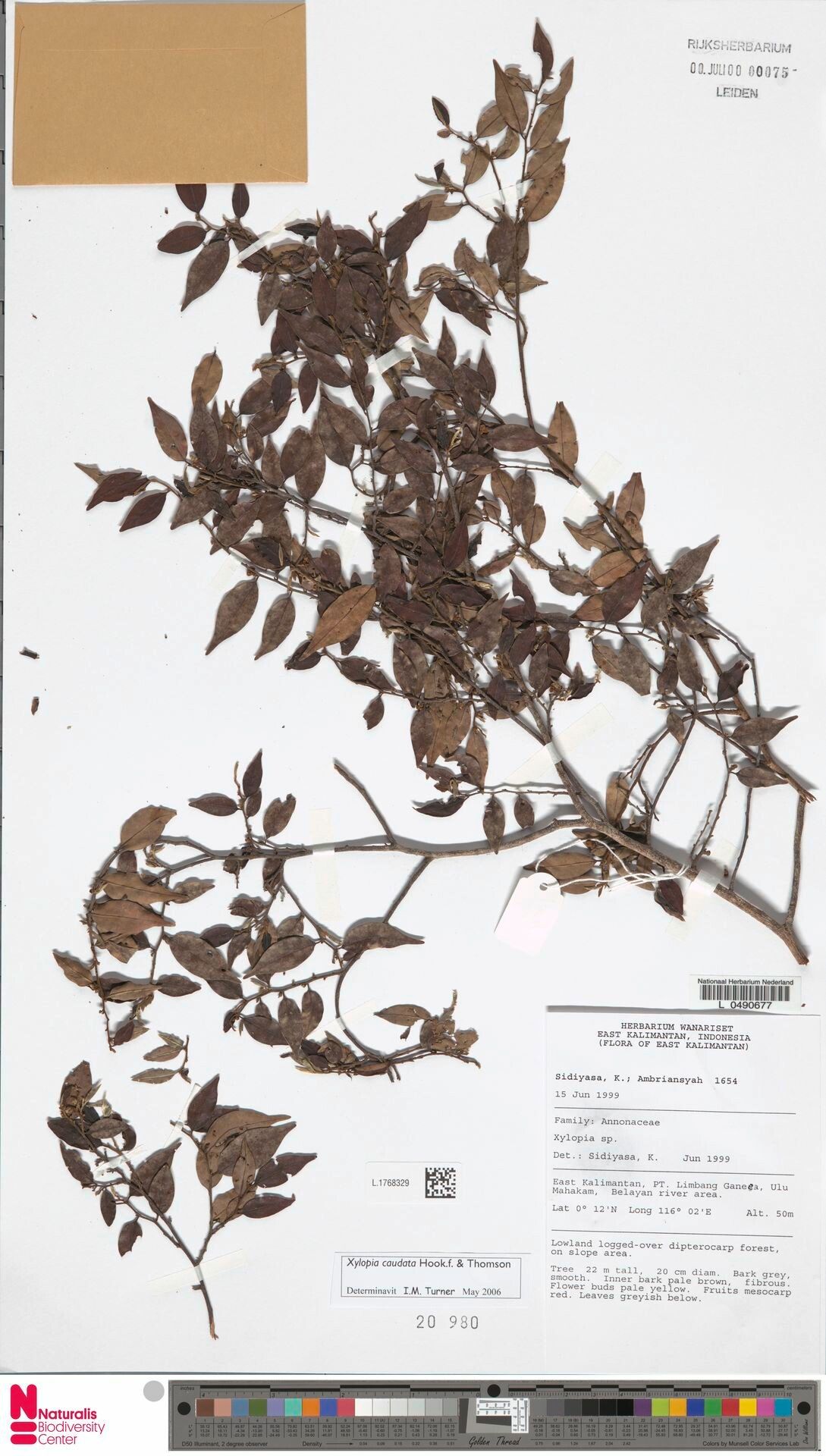
Oh, hello there! Pour yourself a cup of something warm, and let’s chat about a real gem of a plant: Xylopia caudata. You know, the one with those wonderfully fragrant, unusual flowers and lush, tropical foliage that just screams “paradise”? It’s a stunner, truly. And the best part? Bringing more of this beauty into your garden, or even sharing it with friends, through propagation is incredibly rewarding. Now, is it a walk in the park for absolute beginners? Honestly, I’d say it’s more of a gentle stroll, with a few interesting twists and turns. But with a little guidance, anyone can be successful!
The Best Time to Start
When it comes to giving your Xylopia caudata the best chance of success, timing is everything. I’ve found the sweet spot is generally late spring or early summer. This is when the plant is actively growing, and its energy is buzzing. You’re looking for healthy, semi-hardwood stems – not the brand new, super-soft growth, but not the old, woody stuff either. Think of it as being firm to the touch but still flexible.
Supplies You’ll Need
Gathering your tools beforehand makes the whole process so much smoother. Here’s what you’ll want on hand:
- Sharp Pruning Shears or a Hobby Knife: For clean cuts.
- Rooting Hormone (powder or gel): This is your magic booster.
- Well-Draining Potting Mix: A good blend of peat moss, perlite, and a bit of compost works wonders. You can also buy specific propagation mixes.
- Small Pots or Seed Trays: Clean ones are crucial to prevent disease.
- Plastic Bags or a Clear Dome: To create a humid environment.
- Watering Can with a Fine Rose: For gentle watering.
- Optional: Bottom Heat Mat: For an extra kick of warmth.
Propagation Methods
We’ll focus on the most effective way to multiply your Xylopia caudata: stem cuttings.
- Take Your Cuttings: On a bright morning, select a healthy stem. Using your sharp shears, cut a section about 4-6 inches long. Make this cut just below a leaf node (where the leaf attaches to the stem).
- Prepare the Cuttings: Gently remove the lower leaves from the cutting. You want about 2-3 leaves remaining at the top to help with photosynthesis. If the remaining leaves are very large, you can snip them in half to reduce water loss.
- Apply Rooting Hormone: Dip the cut end of the stem into your rooting hormone, tapping off any excess.
- Plant Your Cuttings: Fill your clean pots with your propagating mix. Make a small hole in the center with your finger or a pencil. Insert the treated end of the cutting into the hole, ensuring it’s firm. Gently firm the soil around the base.
- Create a Humid Environment: Water the soil gently until it’s evenly moist but not waterlogged. Then, cover the pot with a clear plastic bag (propped up with sticks so it doesn’t touch the leaves) or place it under a clear propagation dome. This traps humidity, which is vital for cuttings to root.
- Location, Location, Location: Place your pots in a warm spot with bright, indirect light. Avoid direct sun, as this can scorch the young cuttings.
The “Secret Sauce” (Pro Tips)
Here are a couple of things I’ve learned over the years that really make a difference:
- Don’t Let the Leaves Touch the Water: If you’re attempting water propagation (though I find stem cuttings in soil more reliable for this plant), always ensure the leaves are well above the water line. Rot sets in fast if foliage sits in water.
- Warmth Encourages Roots: A bottom heat mat can be a game-changer, especially if your home tends to be a bit cool. It encourages root development from below, giving your cuttings that extra boost they need. I’ve seen much faster and more robust rooting when I’ve used one.
Aftercare & Troubleshooting
Once your cuttings have been planted, a bit of patience is key. Keep the soil consistently moist but never soggy. You’ll know they’re starting to root when you see new leaf growth appearing. This can take anywhere from a few weeks to a couple of months. Don’t be tempted to pull them up to check!
The most common problem you might encounter is rot. If you see your cuttings turning black and mushy, it’s usually a sign of too much moisture or not enough air circulation. Nip any rotten bits off immediately, and if the whole cutting is affected, it’s sadly time to try again. Another sign of trouble can be wilting that doesn’t improve, which might mean the cutting isn’t getting enough light or is too dry.
A Encouraging Closing
Growing new plants is one of life’s simple joys. Be patient with your Xylopia caudata cuttings. Some will take their time, and that’s perfectly okay. Celebrate every new leaf, every hint of root, and enjoy the process of bringing more of this tropical beauty into your world. Happy propagating!
Resource:
https://identify.plantnet.org/k-world-flora/species/Xylopia%20caudata%20Hook.f.%20&%20Thomson/data