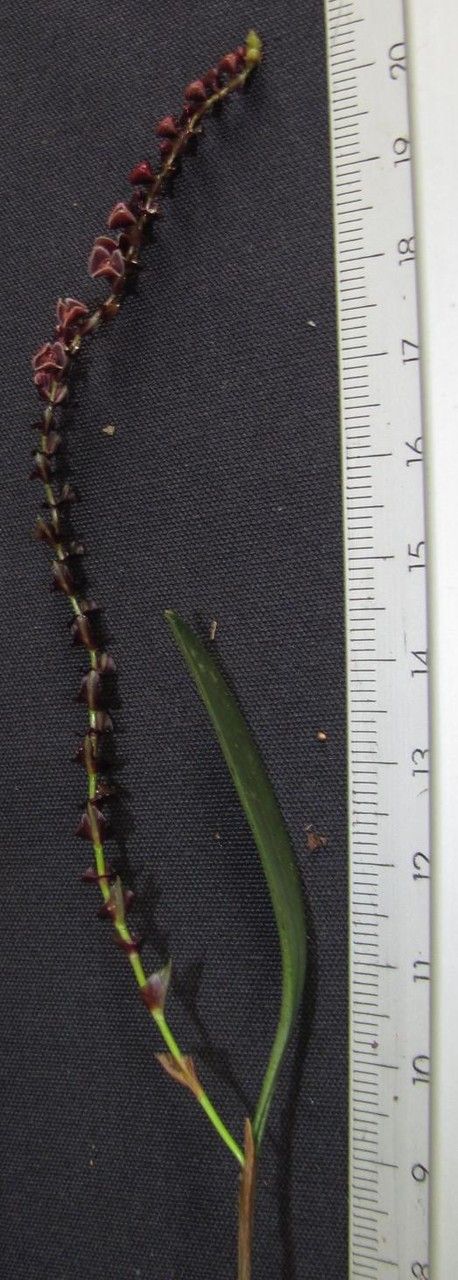
Oh, hello there! Come on in, grab a mug. I’m so glad you’re interested in propagating Stelis bracteata. This little orchid is just a darling, isn’t it? With those delicate, papery bracts that look like tiny, frosted leaves, it brings such a unique charm to any collection. And honestly, watching a new plant emerge from a piece of an old one? It’s pure magic. Now, I won’t lie, Stelis bracteata, like many orchids, can be a touch fussy. It’s not the absolute easiest for a complete beginner, but with a little patience and careful attention, you’ll absolutely be rewarded.
When is the Sweet Spot for Starting?
The best time to dive into propagating Stelis bracteata is during its active growing season. For most folks, this means late spring through early summer. You want to work with a plant that’s already brimming with energy, ready to send out new roots and shoots. Avoid trying to propagate when the plant is dormant or stressed.
Gather Your Gardener’s Toolkit
Here’s what you’ll want to have on hand to get started:
- Sharp, sterile pruning shears or a clean razor blade: Essential for making clean cuts.
- Sphagnum moss: High-quality, long-fibered sphagnum moss is your best friend here.
- Small pots or propagation trays: Whatever you have that’s clean and suitable for small plants.
- Perlite or orchid bark: A small amount can help with drainage in your potting mix.
- Optional: Rooting hormone: While not always strictly necessary for Stelis, it can give an extra boost.
- Optional: Clear plastic bag or propagation dome: To maintain humidity.
- Optional: Heat mat: For a little bottom warmth.
Let’s Get Our Hands Dirty: Propagation Methods
For Stelis bracteata, the most reliable method is division. These orchids tend to grow in clumps, and separating them is like giving them more room to thrive, while also creating new plants.
Method: Division
- Gently remove the plant from its pot. If it’s stuck, a gentle squeeze of the pot or a thin knife around the edges can help.
- Carefully tease apart the root ball. You’re looking for natural breaks where divisions can be made. Try to do this with as little damage to the roots as possible. If you encounter stubborn roots, don’t force them; you might need to use your sterile shears to make a clean cut.
- Inspect each division. You want each new piece to have at least a few healthy pseudobulbs (the swollen bases of the leaves) and a decent amount of roots. If a division seems too meager, it might be best to leave it attached for now.
- Prepare your new pots. Fill them with your primary potting medium – a good-quality orchid mix is ideal, or a blend of sphagnum moss and a bit of perlite for drainage.
- Pot up your divisions. Place each division in a pot, ensuring the pseudobulbs are at or slightly above the surface. Gently firm the potting mix around the roots.
- Water lightly. Just enough to settle the potting mix.
The “Secret Sauce” from the Coffee Corner
Here are a couple of little tricks I’ve learned over the years that really make a difference:
- Don’t drown your sphagnum. If you’re using sphagnum moss for rooting on cuttings (though division is easier for this Stelis), make sure it’s only damp, not soaking wet. Excess moisture is the enemy of healthy root development. Squeeze it out until a few drops of water come out when you give it a good squeeze.
- Humidity is king, but airflow is queen. You want to create a humid environment for your new divisions, especially while they’re establishing. A loosely covered plastic bag or a propagation dome works wonders. However, too much stagnant air can lead to fungal issues. Open the bag or dome for a short period each day to allow for some air exchange.
Looking After Your New Sprouts & What to Watch For
Once your divisions are potted, place them in bright, indirect light. Water when the potting medium starts to feel dry to the touch, but avoid letting them sit in soggy conditions.
The biggest challenge you might face is rot. If you see mushy, dark, or foul-smelling roots, or if the leaves start to yellow and drop off rapidly, it’s often a sign of overwatering or poor air circulation. If you suspect rot, gently unpot the affected division, trim away any diseased roots with your sterile shears, and repot it in fresh, dry potting medium. Sometimes, you might need to let it air dry on a paper towel for a day before repotting.
Keep Nurturing and Enjoy the Journey
Propagating orchids like Stelis bracteata is a lesson in patience and observation. Don’t be discouraged if every single attempt isn’t a runaway success. Each plant is a little bit different, and each season brings new learning. Just keep tending to them, keep watching, and soon enough, you’ll be admiring your new, thriving orchid babies. It’s such a rewarding feeling, isn’t it? Happy gardening!
Resource:
https://identify.plantnet.org/k-world-flora/species/Stelis%20bracteata%20Schltr./data