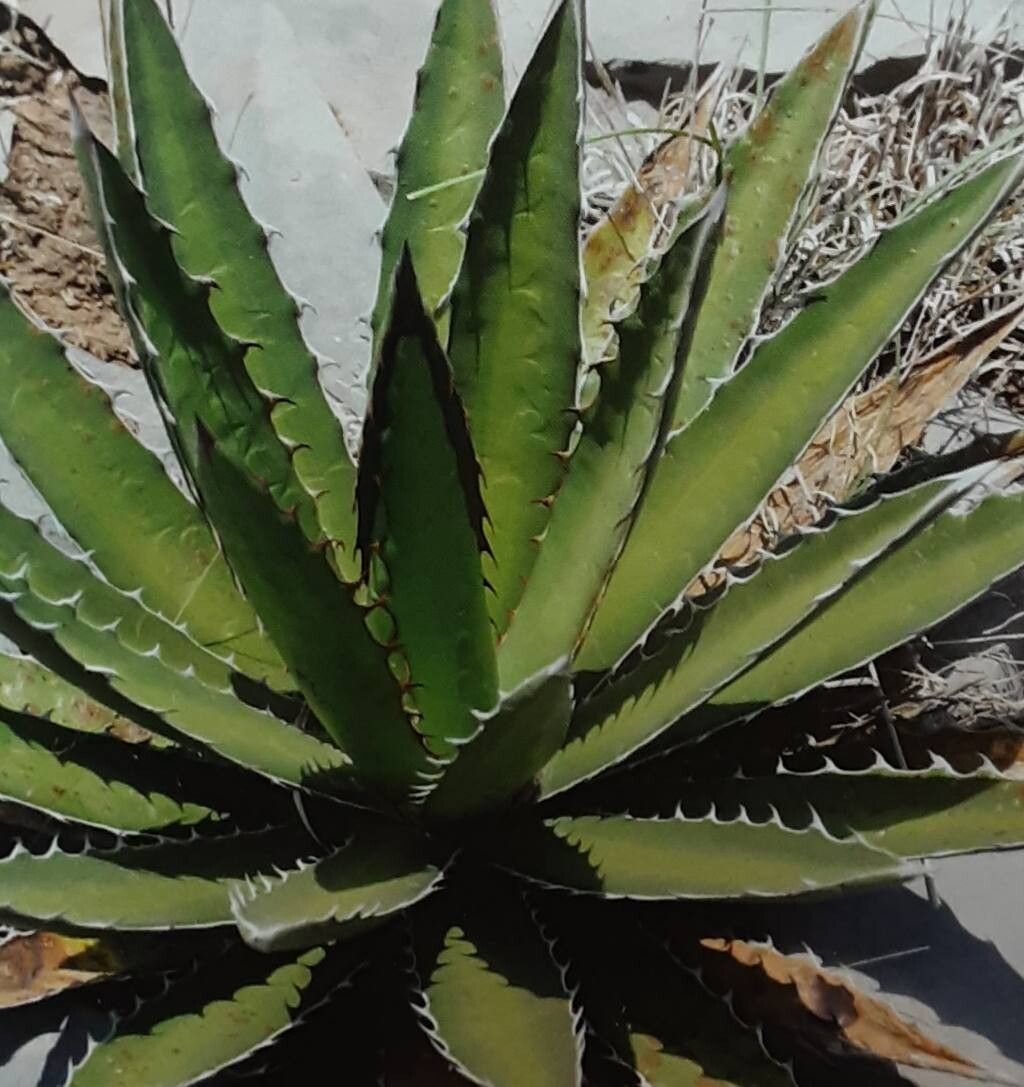
Oh, Agave funkiana! It’s such a joy to work with these architectural beauties. Their striking rosettes of spiky, architectural leaves always bring a touch of the desert drama, even in the most urban setting. Propagating them, I find, is a really rewarding endeavor. It’s a fantastic way to multiply your collection, share with friends, or simply enjoy the magic of watching new life emerge from a parent plant. And the good news? For the most part, Agave funkiana is quite forgiving, making it a wonderful plant to start with if you’re new to propagation.
The Best Time to Start
For Agave funkiana, the sweet spot for propagation is definitely during its active growing season. Think late spring through early summer. This is when the plant has the most energy reserves and is primed for new growth. You’ll see the most vigorous root development and a higher chance of success if you tackle this when the weather is warm and sunny.
Supplies You’ll Need
Before we dive in, let’s gather our tools. You don’t need a whole lot, just a few essentials:
- Sharp, clean pruning shears or a sharp knife: For making clean cuts. Sterilize them with rubbing alcohol between uses!
- Well-draining potting mix: This is crucial! I like a cactus and succulent mix, or you can make your own by combining potting soil with perlite and coarse sand.
- Rooting hormone (optional but helpful): This can give your new cuttings a little boost. Look for one formulated for succulents.
- Small pots or seedling trays: With drainage holes, naturally.
- Gloves: Those spiky leaves are no joke!
- A trowel or small shovel: For filling pots.
- A spray bottle: For misting.
Propagation Methods
Agave funkiana is most commonly and successfully propagated through division – separating the offsets, or “pups,” that naturally grow around the base of the mature plant.
Method: Division of Pups
- Identify the pups: Look around the base of your main Agave. You’ll see smaller plants emerging, sometimes already with their own roots.
- Gently expose the pups: Carefully dig around the base of the main plant and the pup you want to remove. Use your fingers or a small trowel to loosen the soil.
- Make the separation: Once you’ve located the connection point between the pup and the mother plant, use your sharp, clean pruning shears or knife to cut the pup free. Try to get a bit of the pup’s base, and if it seems to have some roots already, even better.
- Allow it to callous: This is a critical step for agaves. Place the separated pup in a dry, shady spot for 2-5 days. You’ll notice the cut end starts to dry out and form a protective callus. This prevents rot when you plant it.
- Potting up: Fill your small pot with your well-draining mix. Make a small indentation in the center and plant the calloused pup. You can gently firm the soil around its base. If it’s a bit wobbly, you can prop it up with small stones.
- No watering… yet! Resist the urge to water immediately. Wait about a week to 10 days after planting before giving it its first light watering. This gives any new root nubs a chance to form without being waterlogged.
The “Secret Sauce” (Pro Tips)
Here are a couple of things I’ve learned over the years that can really boost your success:
- Don’t drown those pups: When you do start watering, do it sparingly. Agaves are desert dwellers; they hate sitting in soggy soil. Water only when the soil is completely dry, and even then, water thoroughly but infrequently.
- Introduce them to warmth gradually: If you’re propagating in cooler months or have a slightly chilly spot, consider a gentle bottom heat. A seedling heat mat, placed under the pots, can encourage root development without drying out the plant too quickly. Just make sure it’s not too hot – you don’t want to cook them!
Aftercare & Troubleshooting
Once your pup is planted and you’ve started a very light watering schedule, place it in a bright, but not intensely hot, location. Indirect sunlight is perfect for the initial rooting phase. You can check for signs of root development by gently tugging on the plant after a few weeks. If there’s resistance, it’s a good sign roots are forming!
The main foe of new succulent propagations is rot. If you see the leaves becoming mushy, yellowing, or developing dark spots, it’s a sign of overwatering or poor drainage. If rot sets in, you might be able to salvage a healthy part of the stem or leaf, allow it to callous, and try again, but always err on the side of underwatering.
A Encouraging Closing
Propagation is as much an art as it is a science. Don’t be discouraged if not every attempt is a roaring success. Be patient, observe your plants, and enjoy the journey of coaxing new life from your beloved Agave funkiana. Happy propagating!
Resource:
https://identify.plantnet.org/k-world-flora/species/Agave%20funkiana%20K.Koch%20&%20C.D.Bouché/data