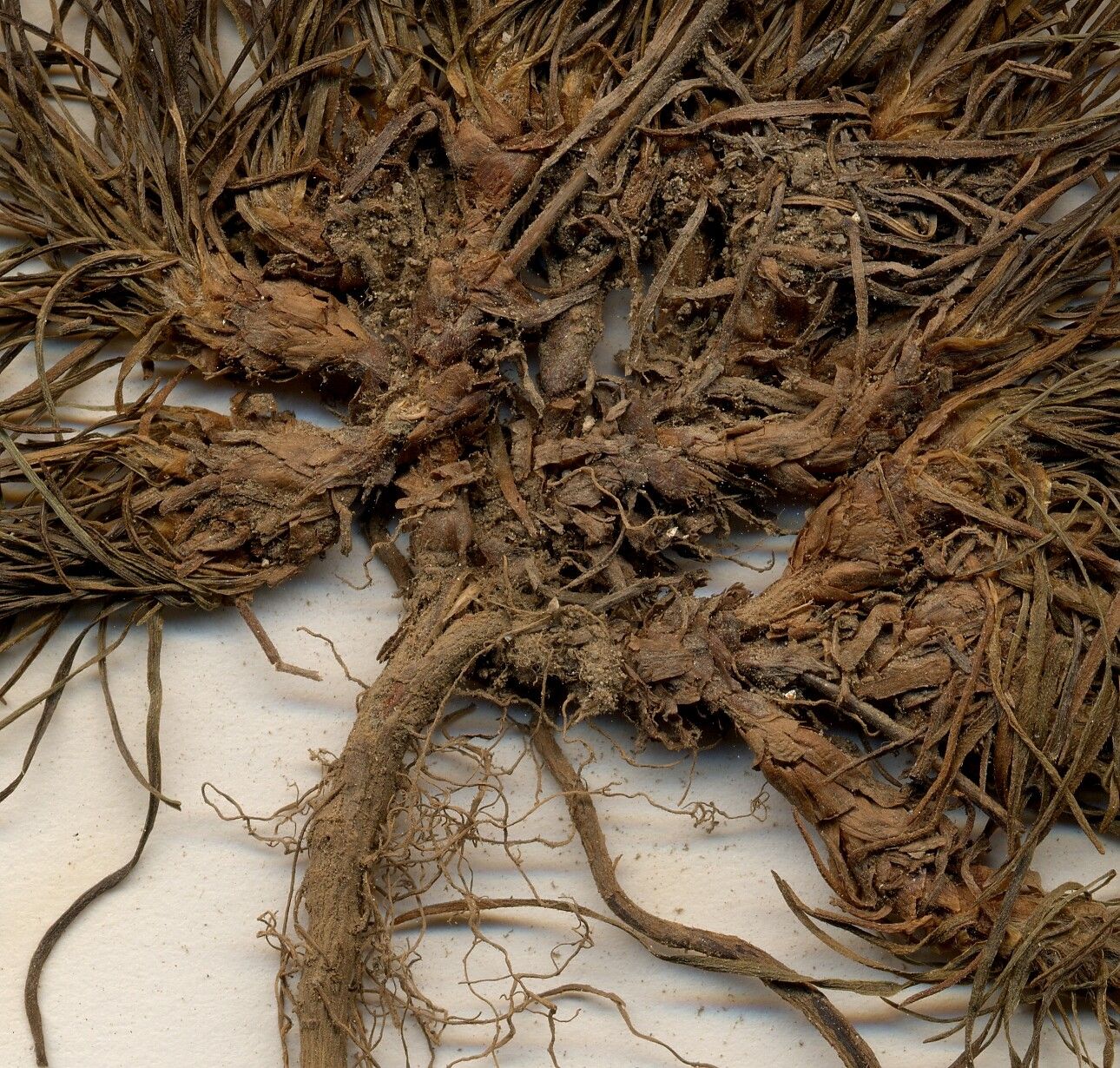
Ah, Thymus linearis! If you’ve ever wandered through a garden where the air itself hums with a delicate, lemony fragrance, chances are you’ve encountered this delightful little herb. Its fine, needle-like leaves spill over edges and weave through pathways, offering a soft texture and a scent that cheers the soul. I’ve been growing and propagating it for years, and believe me, it’s one of those plants that brings immense satisfaction when you can share its charm.
Why Propagate Thymus Linearis?
For me, the joy of propagating Thymus linearis isn’t just about getting more plants (though that’s certainly a perk!). It’s about understanding its rhythm, its ability to spring back and multiply. It’s a wonderfully rewarding process, even for those just dipping their toes into the world of gardening. Honestly, I’d say it’s a pretty easy plant to propagate, which makes it perfect for beginners who want a taste of success.
The Best Time to Start
The sweet spot for propagating Thymus linearis is late spring through early summer. I find that when the plant is actively growing after its initial spring surge, you get the best, most vigorous new growth for cuttings. This is when the stems have plenty of energy to put into developing roots.
Supplies You’ll Need
Before we dive in, let’s gather our bits and bobs. Think of this like a little gardening treasure hunt!
- Sharp Pruning Shears or a Clean Knife: For making nice, clean cuts.
- Small Pots or Seed Trays: With drainage holes are a must!
- Soilless Potting Mix: A good quality, well-draining mix is key. I often use a blend of perlite and coco coir – it’s airy and keeps moisture just right.
- Rooting Hormone (Optional but Recommended): For an extra boost to encourage root development.
- Watering Can or Spray Bottle: For gentle watering.
- Clear Plastic Bag or Humidity Dome: To keep those cuttings from drying out while they root.
Propagation Methods: Getting Your Hands Dirty
There are a couple of ways to go about this, but my favorite for Thymus linearis is through stem cuttings. It’s reliable and gives you a great success rate.
Stem Cuttings: My Go-To
- Take the Cuttings: In late spring or early summer, select healthy, non-flowering stems. You want stems that are flexible but firm – not too woody, not too soft. Aim for 4-6 inch lengths. Gently snap or cut the stem just below a leaf node (where a leaf attaches to the stem).
- Prepare the Cuttings: Remove the lower leaves from the bottom half of each cutting. This is important so those leaves don’t sit in the soil and rot. If you’re using rooting hormone, dip the cut end into it now, tapping off any excess.
- Plant the Cuttings: Fill your pots or trays with your well-draining potting mix. Gently insert the prepared cuttings into the soil, about an inch or so deep. Make sure the leaf nodes you just cleared are below the soil surface. I like to group 3-5 cuttings per small pot to maximize my chances.
- Water and Cover: Water the soil gently until it’s evenly moist. Then, cover the pot with a clear plastic bag, securing it around the rim to create a mini greenhouse effect, or place a humidity dome over your trays.
Water Propagation (A Quick Peek)
While I prefer soil, you can try water propagation. Place the bottom half of your prepared cuttings in a small jar of water. Make sure no leaves are submerged. Change the water every few days. Once you see little white roots forming, carefully transplant them into your potting mix. This method is a fun visual, but I find soil often leads to stronger root systems for thyme.
The “Secret Sauce” (Pro Tips)
Here are a few little tricks I’ve picked up along the way that make a difference:
- Don’t Be Afraid to Pinch: Once your cuttings have rooted and you’ve transplanted them, pinch off the very tip of the stem. This encourages the plant to branch out, making it bushier and more attractive from the get-go.
- Bottom Heat is Your Friend: If you have a heated propagator or even just a sunny windowsill where you can place your pots on a mat that’s slightly warm, it can really speed up root formation. Thyme loves a little warmth from below.
- Timing is Everything: While late spring is ideal for cuttings, if you happen to miss it, you can take cuttings in early autumn. Just be aware that rooting might take a bit longer as the days get cooler.
Aftercare & Troubleshooting
Once you see tiny roots peeking out from the drainage holes or new growth emerging at the top of your cuttings, you’ve got yourself a baby thyme!
- Acclimate: Slowly remove the plastic bag or humidity dome over a week or so, allowing the new plants to get used to drier air.
- Watering: Keep the soil consistently moist but not soggy. Overwatering is the quickest way to invite trouble.
- Sunlight: Gradually introduce your new plants to more sunlight. They’ll love a bright spot.
- Spotting Trouble: The most common problem you might encounter is rot. If your cuttings are turning mushy or black, it’s usually a sign of too much moisture. If you see this, carefully remove the affected cuttings, let the remaining soil dry out a bit, and ensure good airflow.
Keep Growing!
Propagating Thymus linearis is a simple pleasure, a way to multiply that lovely fragrance and texture in your garden. Be patient, enjoy the process, and celebrate every little root you help to form. Happy gardening!
Resource:
https://identify.plantnet.org/k-world-flora/species/Thymus%20linearis%20Benth./data