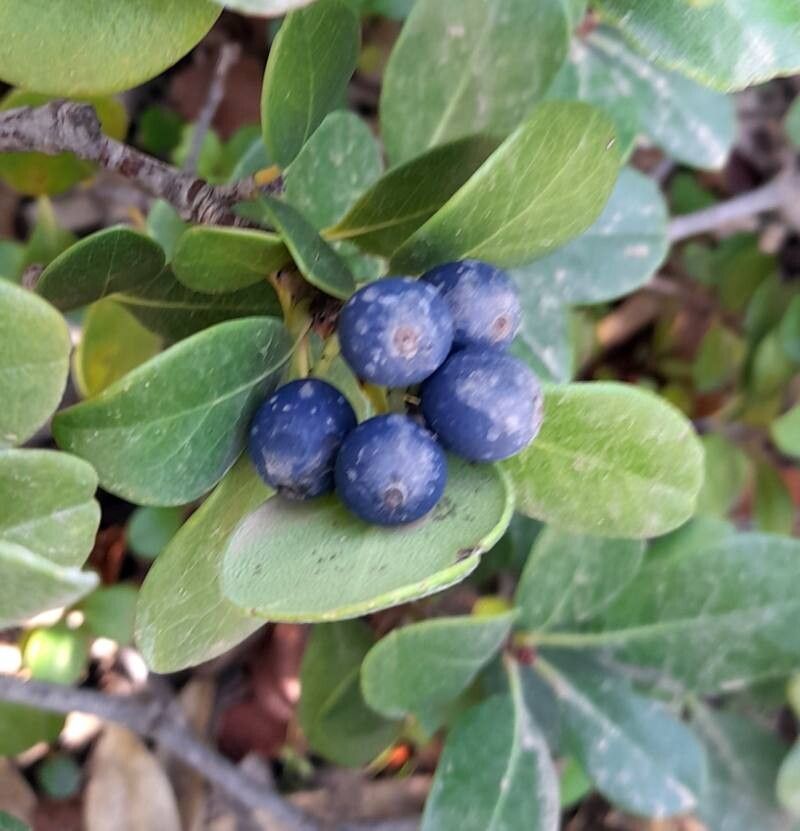
Oh, Rhaphiolepis umbellata! Isn’t that just a delightful shrub? Also known as Indian Hawthorn, it’s one of those dependable beauties that graces so many gardens with its glossy, dark green leaves and lovely clusters of white or pink flowers. They smell just divine in spring! And the bonus? Tough as old boots, tolerating coastal conditions and even a bit of dry shade. Propagating them is a wonderful way to expand your collection or share these charming plants with friends. And good news for beginners: this is a pretty forgiving plant to get started with. You can absolutely do this!
The Best Time to Start
For the absolute highest chance of success, I always reach for my pruning shears in late spring or early summer. This is when the plant is actively growing, and the stems are semi-hardwood. They’ve developed enough to have a bit of structure but haven’t fully hardened off yet, which makes them ideal for rooting.
Supplies You’ll Need
Gathering your tools beforehand makes the whole process smoother. Here’s what I like to have on hand:
- Sharp, clean pruning shears or a hobby knife: A clean cut is crucial.
- Rooting hormone (optional but recommended): Powder or gel, it really gives cuttings a boost.
- Potting mix: A well-draining mix is key. I often use a blend of equal parts perlite and peat moss, or a commercial seed-starting mix.
- Small pots or trays: With drainage holes, of course!
- Plastic bags or a propagation dome: To keep humidity high.
- Labels: So you don’t forget what you’ve planted!
- Watering can or misting bottle: For gentle watering.
Propagation Methods
Stem cuttings are my go-to for Rhaphiolepis umbellata. It’s straightforward and usually yields great results.
Stem Cuttings:
- Take your cuttings: In late spring or early summer, select healthy, non-flowering stems. Look for those that are slightly firm but still flexible. Aim for cuttings that are about 4-6 inches long.
- Prepare the cuttings: Remove any lower leaves, leaving just a few at the top. This prevents them from rotting in the soil. If your cuttings are particularly long, you can snip them in half.
- Dip in rooting hormone (optional): Moisten the cut end of each stem and dip it into your rooting hormone powder or gel. Tap off any excess.
- Plant the cuttings: Make a hole in your potting mix with a pencil or your finger. Insert the cut end of the stem into the hole, ensuring the nodes where you removed leaves are covered. They contain the magic for root development!
- Water gently: Water the soil thoroughly but avoid waterlogging.
- Create a humid environment: Cover the pots with a plastic bag (propped up with sticks so it doesn’t touch the leaves) or place them in a propagation dome. This creates a mini-greenhouse effect.
- Place in a bright spot: Find a location with bright, indirect light. Avoid direct sun, which can scorch the new cuttings.
The “Secret Sauce” (Pro Tips)
Here are a few little tricks I’ve learned over the years that can make a difference:
- Don’t let the leaves touch the water: If you ever try water propagation (which isn’t my preferred method for Rhaphiolepis, but some swear by it), it’s crucial that no leaves are submerged. Rot sets in awfully fast in water.
- Bottom heat is your friend: If you can, place your pots on a heat mat. This gentle warmth encourages root development from below, speeding up the process considerably. Most electronic heating mats are quite affordable.
- Cleanliness is paramount: Always ensure your tools, pots, and even your hands are squeaky clean. This drastically reduces the risk of fungal diseases that can take out your precious cuttings before they even have a chance.
Aftercare & Troubleshooting
Once your cuttings have roots – you’ll know this when you gently tug on them and feel resistance, or see roots poking out the drainage holes – it’s time for a little more TLC.
Continue to keep the soil consistently moist but not soggy. Gradually acclimatize them to less humidity by opening the bag or lid a little more each day. Once they’re fully established and showing new growth, you can transplant them into slightly larger pots.
The most common sign of trouble is wilting and browning leaves, which can indicate rot. If you see this, check your watering. It’s often too much. Unfortunately, once rot sets in, it’s hard to recover. Another sign is no new growth after several weeks, which might mean the cuttings simply didn’t take, or they need a bit more warmth or light. Don’t be discouraged! Gardening is a continuous learning curve.
A Encouraging Closing
Growing plants from cuttings is like a little bit of gardening magic right in your hands. Be patient with your Rhaphiolepis cuttings. Nature works at its own pace, and sometimes they need a little extra nudge and time. Enjoy the process, the anticipation, and the sheer satisfaction of nurturing new life. Happy propagating!
Resource: