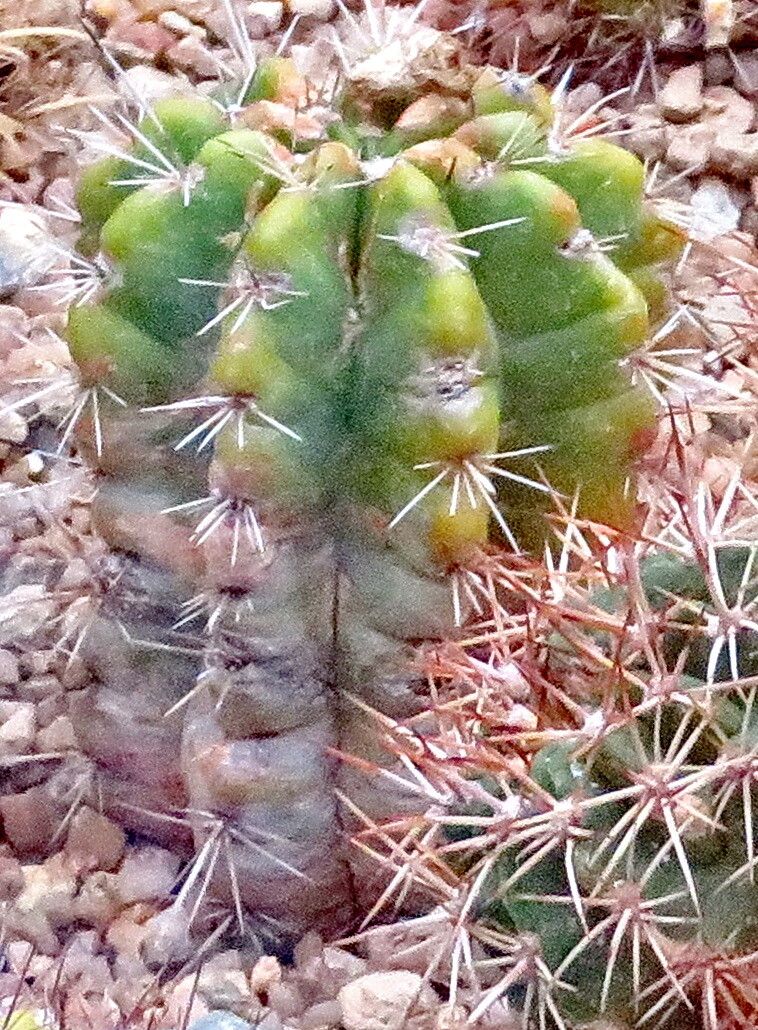
Hey there, fellow plant lovers! Today, we’re diving into the wonderful world of propagating Lobivia bridgesii. If you’re looking for a cactus that’s a bit quirky, a bit charming, and surprisingly rewarding to grow, then this is the one for you. Those spiky, often fuzzy stems just beg to be multiplied, and trust me, it’s a journey that’ll bring a smile to your face.
Why Grow and Propagate Lobivia Bridgesii?
Lobivia bridgesii are fantastic cacti. They come in various forms, often developing adorable pups or offsets that cluster around the base of the main plant. Watching these little ones grow, and then successfully coaxing them to root and become their own independent specimens, is a truly satisfying experience. It’s a wonderful way to expand your collection without breaking the bank, or to share these unique plants with friends. For beginners? I’d say this one is quite welcoming. Its ease of propagation makes it a great starting point for anyone new to cactus family gardening.
The Best Time to Start
The absolute sweet spot for propagating Lobivia bridgesii is during their active growing season. Think late spring through summer. This is when the plant is really putting on energy, and the cuttings will be motivated to root much faster. Trying to do this in the dead of winter is like asking a sleepy bear to run a marathon – not ideal!
Supplies You’ll Need
Before we get our hands dirty, let’s gather our tools. You don’t need much, but having the right bits and bobs makes all the difference:
- Well-draining Cactus/Succulent Potting Mix: This is non-negotiable. A mix of coarse sand, perlite, and a good quality potting soil works wonders.
- Clean, Sharp Knife or Pruning Shears: For making clean cuts. Sterilize them with rubbing alcohol to prevent any nasty infections.
- Rooting Hormone (Optional but Recommended): This little helper can significantly speed up the rooting process and improve success rates.
- Small Pots or Flats: For housing your new cuttings. Make sure they have drainage holes!
- Watering Can with a Fine Rose or Spray Bottle: For gentle watering.
- Newspaper or Paper Towels: To lay out your cuttings and let them callus.
- Gloves (Optional): If you’re sensitive to cactus spines.
Propagation Methods
Now, let’s get to the fun part! For Lobivia bridgesii, offsets (pups) are your best friend. Here’s how we’ll handle them:
Method 1: Offset Separation (The Easiest Way!)
- Identify Healthy Offsets: Look for those little baby cacti clustered around the base of your mature plant. Choose ones that look plump and healthy.
- Gently Loosen the Soil: If the offsets are tightly packed, you might need to carefully dig around them a bit to get some space.
- Twist and Separate: With a firm but gentle grip, try to twist the offset away from the mother plant. Sometimes they’ll come away easily. If not, use your clean knife or pruning shears to make a clean cut right at the point where the offset joins the parent.
- Let Them Callus: This is crucial! Place the separated offsets on a dry paper towel or newspaper in a bright, airy spot – out of direct sunlight. They need to form a callus (a dry, protective scab) over the wound. This usually takes anywhere from a few days to a week, depending on humidity. Rushing this step can lead to rot.
- Planting Time: Once a good callus has formed, gently press the callused end of the offset into your prepared, dry cactus mix. You can lightly water it in after a day or two, or wait until you see signs of life.
Method 2: Stem Cuttings (If You Need to Prune)
This method is less common for Lobivia bridgesii as they prefer to offset, but it can work if you need to propagate a healthier stem from a damaged plant.
- Take a Clean Cut: Using your sterilized knife or shears, cut a healthy section (at least a few inches long) from the stem.
- Let it Callus: Just like with offsets, the cut end must callus over. This will take longer for a larger piece, potentially a week or more. Patience is key here!
- Plant the Callused Cutting: Once the end is completely dry and callused, gently insert the callused end into your dry cactus mix. You can prop it up with a small stone if needed.
The “Secret Sauce” (Pro Tips)
Here are a few things I’ve learned over the years that can make a big difference:
- Don’t Rush the First Water: After planting your callused offsets or cuttings, resist the urge to water them immediately. Wait at least 2-3 days, or even a week, to let them settle in and ensure the wound is truly sealed.
- Bottom Heat is Your Friend: If you’re propagating in a cooler environment or during a slightly less warm period, a seedling heat mat can do wonders. It gives those roots a gentle boost and encourages faster growth. Just place your pots on top of it.
- Less is More with Water: When you do start watering, be very sparing. Cacti hate soggy feet. Water thoroughly, then let the soil dry out completely before watering again. This mimics their natural arid environment.
Aftercare & Troubleshooting
Once your Lobivia bridgesii cuttings have been planted and you’ve started a very light watering schedule, keep an eye on them. You’ll know things are going well when you see signs of new growth – maybe a slight plumpness or even a tiny new spine emerging. This can take anywhere from a few weeks to a few months.
The biggest enemy here is rot. If you notice your cutting looking mushy, turning brown or black, or smelling funky, it’s likely succumbing to rot. This usually happens because the cutting wasn’t fully callused before planting, or the soil is staying too wet. If you catch it early, you might be able to cut away the rotted part, let the rest callus again, and replant. But often, it’s a sign it’s time to let that particular cutting go. Don’t beat yourself up – it happens to the best of us!
A Little Patience Goes a Long Way
Propagating Lobivia bridgesii is a journey, not a race. There will be successes, and maybe a few little setbacks, but each one is a learning opportunity. Watch your new plants closely, be patient with the rooting process, and celebrate the small victories. Soon, you’ll have a little cactus army thriving under your care. Happy propagating!
Resource: