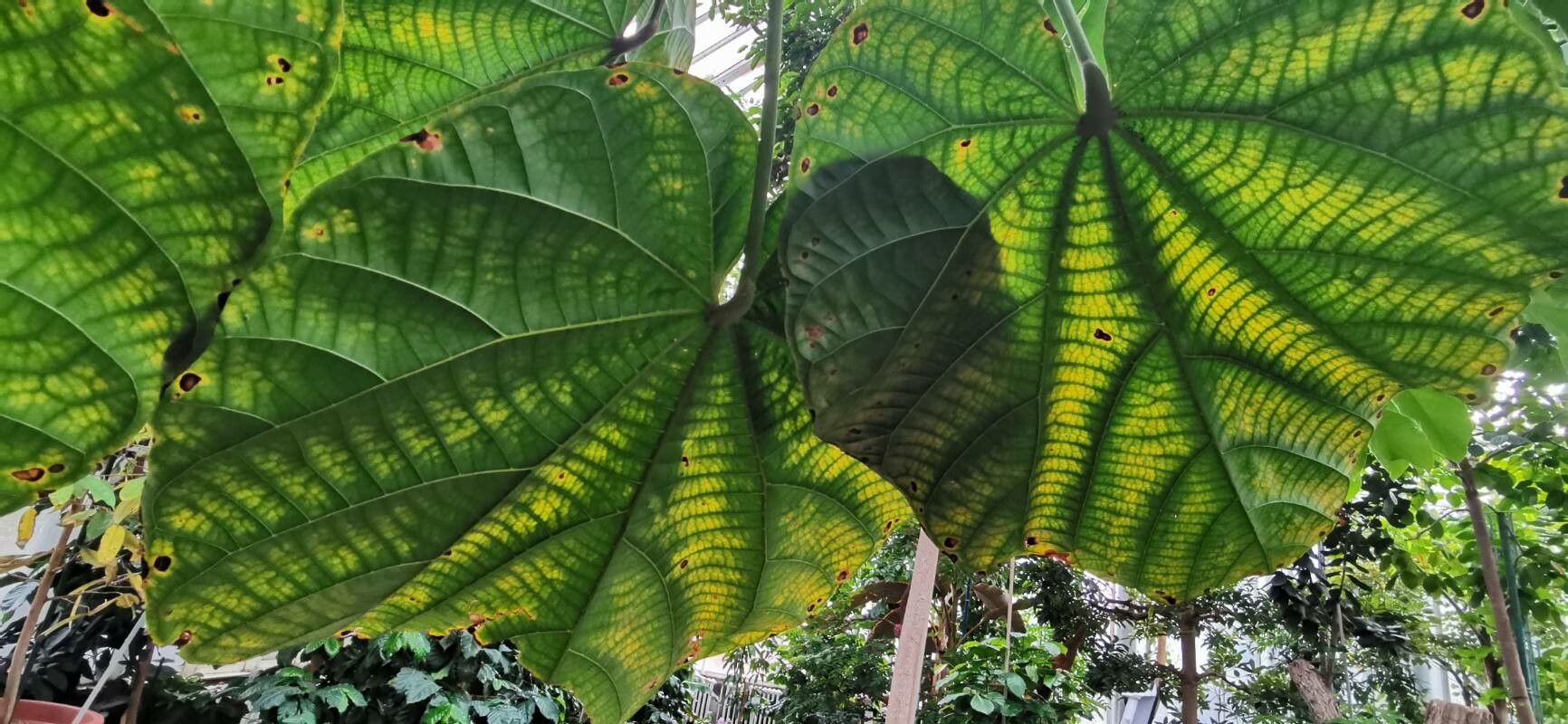
Hello fellow garden enthusiasts! I’m so excited to talk to you today about a plant that’s truly a gem in my own garden: Matisia cordata. If you’ve ever had the pleasure of seeing its vibrant, heart-shaped leaves and the promise of its intriguing flowers, you know what I mean. It’s a plant that adds a touch of the tropics right to your own backyard, or even a sunny corner indoors.
The real joy, for me, comes from creating more of these beauties. Propagating Matisia cordata is a deeply satisfying experience. While it might not be the absolute easiest plant for a complete beginner, with a little guidance and patience, you’ll find it’s incredibly rewarding. Think of it as learning a new knitting stitch – a little practice makes perfect!
The Best Time to Start
When it comes to getting the most success from your efforts, timing is everything. For Matisia cordata, the late spring or early summer months are your golden window. This is when the plant is in its most vigorous growth phase, which means it’s full of energy and ready to send out new roots. Look for healthy, new growth on your parent plant – those are the stems you want to be working with. Avoid taking cuttings from wood that’s too old and woody or from a plant that looks stressed or unhealthy.
Supplies You’ll Need
Gathering your tools beforehand makes the whole process smooth sailing. Here’s what I always have on hand:
- Sharp, clean pruning shears or a sharp knife: A clean cut is crucial to prevent disease.
- Rooting hormone (optional but highly recommended): This really gives your cuttings a boost. I prefer a powder form.
- Well-draining potting mix: I usually mix my own with equal parts peat moss, perlite, and a bit of coarse sand.
- Small pots or propagation trays: Clean pots are a must!
- Clear plastic bags or a propagator lid: To create a humid environment.
- Small pebbles or perlite (for water propagation): If you choose that method.
- Watering can with a fine rose or a spray bottle: For gentle watering.
Propagation Methods
Let’s get our hands dirty with a couple of reliable ways to multiply your Matisia cordata.
Stem Cuttings
This is my go-to method for Matisia cordata. It’s efficient and generally yields great results.
- Select your stem: Look for a healthy, semi-hardwood stem that’s about 4-6 inches long. You want a stem that’s not brand new and soft, but not old and woody either. It should have a bit of flexibility but hold its shape.
- Make the cut: Using your sharp pruning shears or knife, make a clean cut just below a leaf node (where a leaf attaches to the stem). This is where the magic happens for root formation.
- Prepare the cutting: Gently remove the lower leaves from the stem, leaving just a couple at the top. If the leaves are very large, you can even cut them in half horizontally to reduce water loss through transpiration.
- Apply rooting hormone: Dip the cut end of the stem into your rooting hormone, tapping off any excess.
- Plant the cutting: Fill your small pots with your well-draining potting mix. Make a small hole with your finger or a pencil, and gently insert the prepared cutting. Firm the soil around it.
- Water and cover: Water the soil gently until it’s evenly moist but not soggy. Cover the pot with a clear plastic bag or a propagator lid. This creates that essential humid microclimate. Ensure the leaves don’t touch the plastic if possible, as this can encourage rot. Place the pot in a warm location with bright, indirect light.
Water Propagation
If you’re feeling a bit shy about soil, water propagation can be a fun alternative.
- Prepare your cutting: Follow steps 1-3 from the stem cuttings method.
- Place in water: Fill a small jar or glass with fresh water. Place your prepared cutting into the water, ensuring that no leaves are submerged. If a leaf is below the waterline, it will rot and contaminate the water. You can use small pebbles or perlite to hold the stem upright if needed.
- Location and water changes: Place the container in a warm spot with bright, indirect light. Change the water every few days to keep it fresh and prevent bacteria buildup. Roots should start to appear within a few weeks. Once the roots are an inch or two long, you can transplant them into soil.
The “Secret Sauce” (Pro Tips)
Over the years, I’ve learned a few tricks that can really make a difference with propagation.
- Bottom Heat is Your Best Friend: Matisia cordata absolutely loves warmth. If you can, place your pots on a propagation mat or a warm windowsill. This consistently warm soil temperature encourages root development much faster than just ambient air temperature.
- The “Wipe Test”: When you’re checking on your cuttings, occasionally gently wipe the leaves. If they feel plump and firm, your cutting is likely happy and hydrated. If they feel limp or papery, they might be struggling.
- Don’t Rush to Pot Up: It’s tempting to pot up that cutting as soon as you see a tiny root, but wait until the roots are well-developed and have started to branch out a bit. This gives the new plant a much stronger start when it’s transferred.
Aftercare & Troubleshooting
Once you see those lovely roots appearing, your job isn’t quite done!
- Acclimatization: Before removing the plastic bag from your soil-propagated cuttings, gradually introduce them to drier air over a few days. Open the bag for a few hours each day. For water-propagated plants, transplant them into soil when the roots are a good inch or two long. Use your well-draining mix and water gently.
- Light and Water: Continue to provide bright, indirect light for your new plants. Water them when the top inch of soil feels dry. Avoid overwatering, as this is a common cause of failure.
The most common sign of trouble is rot. If your cutting turns black and mushy, it’s likely rotted. This is often due to too much moisture, poor air circulation, or contaminated water. If you see this, discard the affected cutting and start fresh, ensuring better drainage and air flow. Sometimes, a cutting just doesn’t take – don’t be discouraged! Plant propagation is an experiment, and not every attempt is successful.
A Encouraging Closing
Growing new plants from cuttings is a wonderful way to connect with nature and expand your garden. Be patient with your Matisia cordata cuttings. They have their own timeline, and with a little care and attention, you’ll soon have a beautiful new plant to call your own. Enjoy the process, and happy gardening!
Resource:
https://identify.plantnet.org/k-world-flora/species/Matisia%20cordata%20Bonpl./data