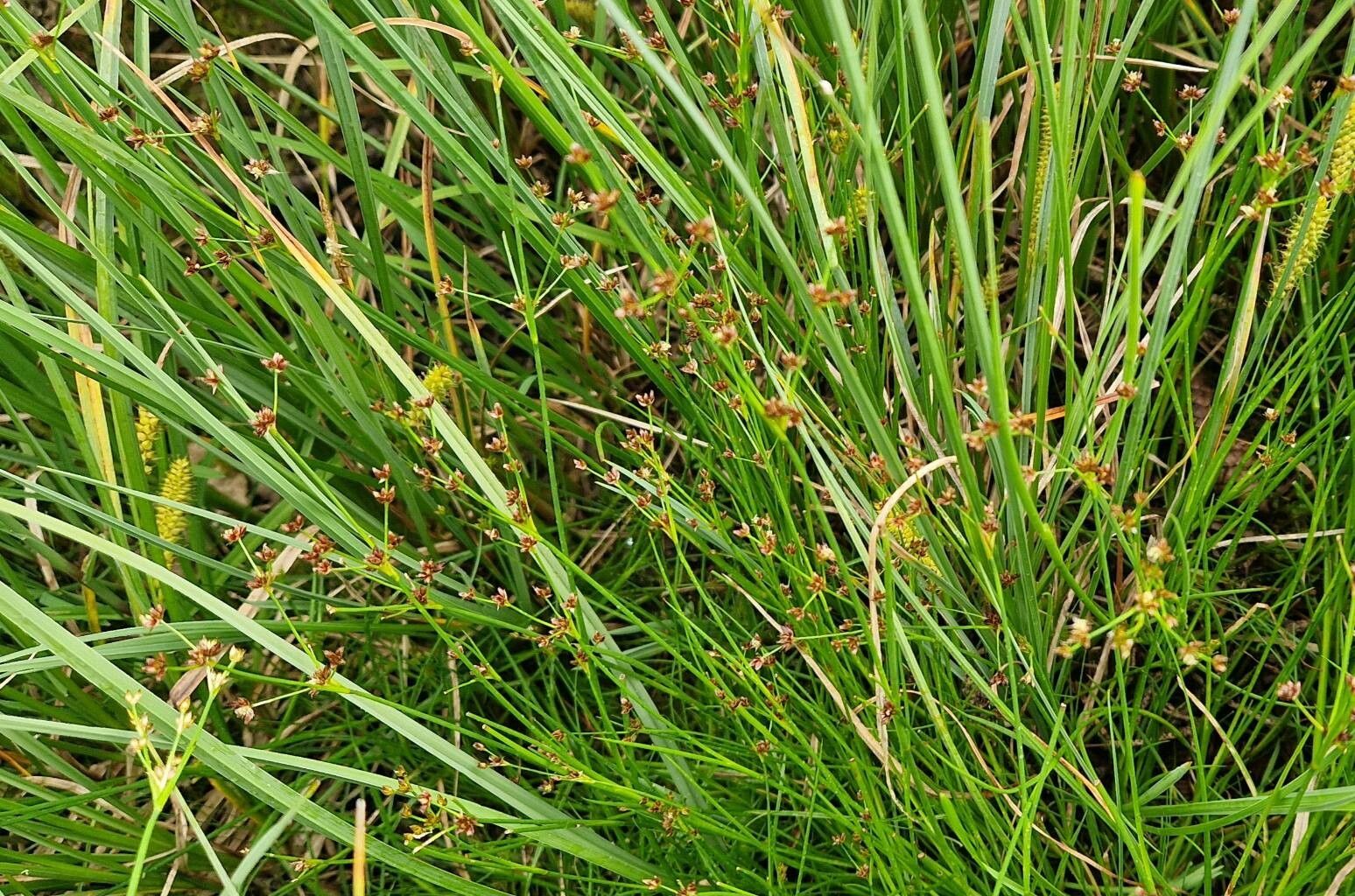
Hello there, fellow garden enthusiasts! It’s lovely to connect with you today. We’re going to dive into the wonderful world of propagating Juncus articulatus, also known as jointed rush. If you’re drawn to plants that add a touch of wild, structural beauty to your garden, then this is a plant for you. Its graceful, arching stems and a certain understated elegance make it a fantastic choice for pond edges, bog gardens, or even as a unique container specimen. And the best part? Propagating it is surprisingly rewarding, and I’m happy to say, it’s a pretty accessible project for beginners!
The Best Time to Start
For the highest success rate, I find that early spring, just as new growth is really starting to emerge, is your sweet spot. You can also have good luck in early summer if you’ve missed the spring window. The key is that the plant is actively growing and has the energy to put into developing new roots. Avoid propagating when the plant is stressed by extreme heat or during its dormant period.
Supplies You’ll Need
Gathering your tools beforehand makes the whole process feel smoother. Here’s what I usually have on hand:
- Sharp pruning shears or a clean knife: For making clean cuts.
- A well-draining potting mix: A blend of peat moss, perlite, and a bit of coarse sand works wonderfully for divisions. For cuttings, a lighter mix of perlite and peat is good.
- Small pots or trays: Clean containers with drainage holes are a must!
- Rooting hormone (optional but helpful): A powder or gel can give cuttings a boost.
- Watering can or spray bottle: For gentle watering.
- Labels and a marker: To keep track of your projects.
Propagation Methods
While Juncus articulatus can be a bit stubborn with stem cuttings if you’re not careful, division is by far the most reliable and rewarding method for this particular plant.
Division: The Go-To Method
This is what I recommend for most home gardeners. It’s like giving your existing plant a healthy haircut and a new lease on life!
- Excavate with Care: Gently dig up your Juncus articulatus plant from its pot or garden bed. Try to disturb the root ball as little as possible, but don’t be afraid to work the soil away from it.
- Identify Natural Breaks: Look for natural divisions in the root system. You’ll often see where one clump of stems is clearly connected to another, with distinct roots underneath.
- The Gentle Pull or Cut: With your hands, gently pull the clumps apart. If they resist, use your clean shears or knife to slice through the root ball at these natural dividing points. Aim for divisions that have several healthy stems and a good amount of root attached.
- Potting Up: Trim away any damaged or overly long roots. Pot each division into its own container filled with your well-draining potting mix. Make sure the crown (where the stems emerge from the roots) is at soil level.
- Watering In: Water thoroughly to settle the soil around the roots.
Stem Cuttings (More Advanced)
You can try stem cuttings, but success can be a little more hit-or-miss. If you wish to try:
- Select Healthy Stems: Choose vigorous, healthy stems that are at least 3-4 inches long.
- Make the Cut: Using your sharp shears, make a clean cut just below a leaf node (where a leaf attaches to the stem).
- Prepare the Cutting: Remove the lower leaves, leaving just a few at the top. If you’re using rooting hormone, dip the cut end into it.
- Planting: Insert the cut end into a pot filled with a light, moist propagation mix (like perlite and peat).
- Moisture is Key: Keep the soil consistently moist, but not waterlogged. You might want to cover the pot with a plastic bag or dome to create a humid environment.
The “Secret Sauce” (Pro Tips)
Now, for those little nuggets of wisdom that often make all the difference!
- Don’t Drown Those Roots: When dividing, if you find a division with very little root mass but several healthy stems, don’t plant it too deep. Keep it shallow so the new roots have an easier time reaching moisture.
- Embrace the Muggy Microclimate: For stem cuttings, creating a mini-greenhouse effect is essential. A clear plastic bag secured with a rubber band over the pot will trap humidity, which is crucial for encouraging root formation from a stem without its own established root system.
Aftercare & Troubleshooting
Once your divisions are potted up or your cuttings have shown signs of life, it’s time for some gentle nurturing.
- Watering: Keep the soil consistently moist but not soggy. For newly divided plants, this means checking the soil moisture every couple of days with your finger. If it feels dry an inch down, it’s time to water.
- Light: Place your new plants in a location that receives bright, indirect light. Avoid harsh, direct sunlight, which can scorch young foliage.
- Root Development: With divisions, you’ll usually see new stem growth within a few weeks if they’ve taken well. For cuttings, look for tiny white root tips pushing out of the drainage holes or resistance when you gently tug on the stem. This can take anywhere from 4-8 weeks, sometimes longer.
- Troubleshooting – Rot: The most common issue you’ll face is rot, especially with cuttings. This is usually a sign of overwatering and poor air circulation. If you see mushy stems or a foul smell, it’s often best to discard the affected cutting and ensure your other ones have better drainage and a bit more air. Black leaves can also be a sign of stress; ensure your light isn’t too intense and that you’re not overwatering.
A Little Patience Goes a Long Way
There you have it! Propagating Juncus articulatus through division is a truly satisfying way to expand your garden and share these lovely rushes with friends. Remember, nature works on its own schedule. Be patient, observe your plants, and enjoy the simple pleasure of watching new life emerge. Happy gardening!
Resource:
https://identify.plantnet.org/k-world-flora/species/Juncus%20articulatus%20L./data