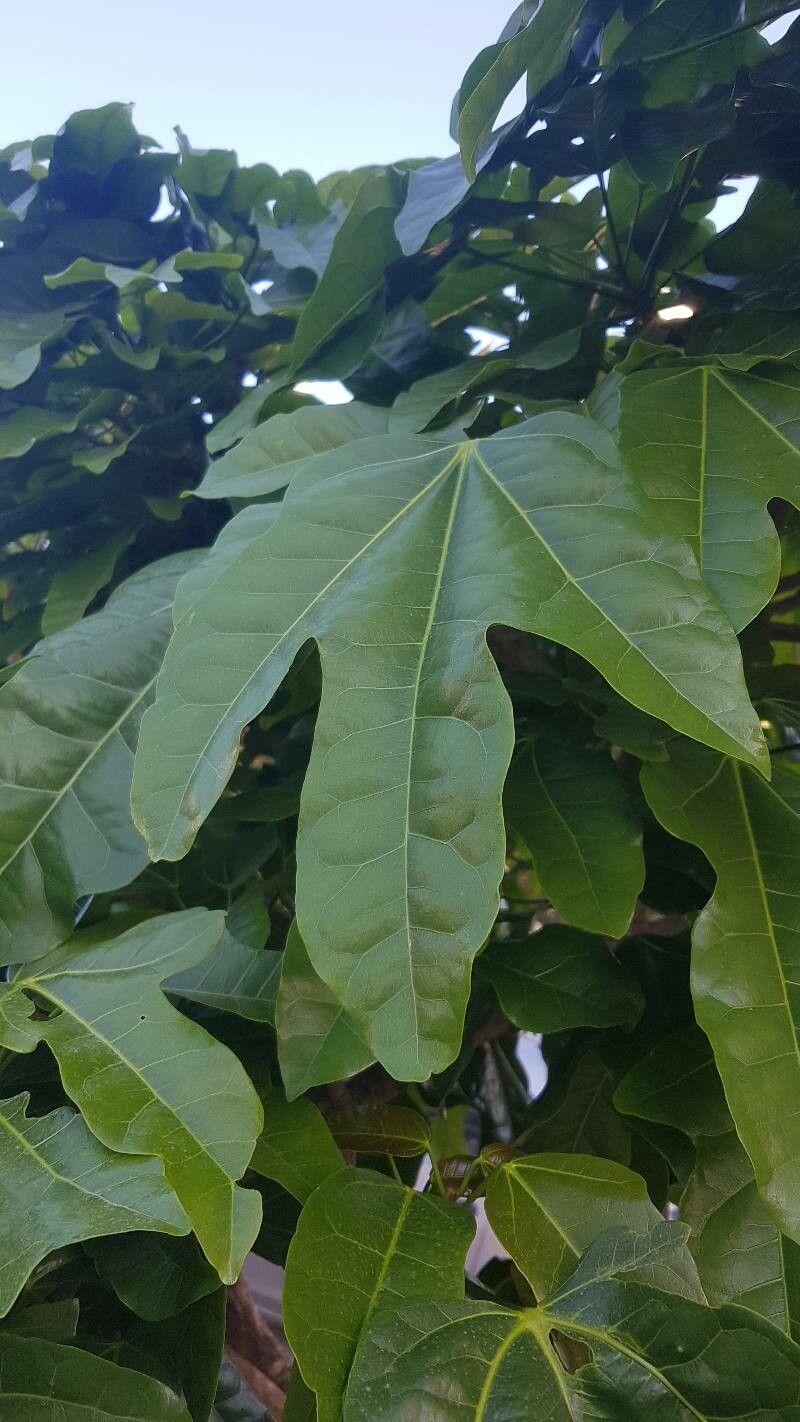
Oh, the Flame Tree! Brachychiton acerifolius. If you’ve ever seen one of these beauties in full, glorious bloom, you know exactly why I’m so excited to talk about them today. Their fiery red trumpet-shaped flowers, appearing typically in late spring or summer, are simply breathtaking. They have this magical way of making a garden truly sing. And the best part? You can have your own! Propagating them is a wonderfully rewarding journey, though I’ll be honest, for absolute beginners, it might lean towards the slightly more challenging side. But don’t let that deter you! With a little patience and these tips, you’ll be well on your way.
The Best Time to Start
For the highest success rates, I always recommend starting your Brachychiton propagation efforts in late spring or early summer. This is when the plant is actively growing, meaning it has the energy to put towards developing new roots. You’re essentially tapping into its natural vigor.
Supplies You’ll Need
Gathering your tools beforehand makes the whole process much smoother. Here’s what I usually have on hand:
- Sharp pruning shears or a clean knife: For making clean cuts.
- Rooting hormone powder or gel: This is a real game-changer for cuttings.
- Well-draining potting mix: A cactus and succulent mix often works wonders, or you can create your own by combining equal parts peat moss, perlite, and sand.
- Small pots or seed trays: With drainage holes, of course!
- Clear plastic bags or a propagation dome: To maintain humidity around cuttings.
- A spray bottle: For misting.
- Labels and a marker: To keep track of what you’ve planted.
- For seed propagation: Fresh Brachychiton seeds.
Propagation Methods
While Brachychiton can be propagated from seed, I find stem cuttings to be a very reliable method for getting a new plant started, and it guarantees you get a clone of your parent plant.
Stem Cuttings (My Preferred Method)
- Select your cutting: Look for healthy, semi-hardwood stems. These are stems that have started to firm up but aren’t completely woody. Aim for a piece about 6-8 inches long. Take cuttings in the morning when the plant is well-hydrated.
- Make the cut: Using your sharp shears or knife, make a clean, angled cut just below a leaf node. This is where the plant hormones are concentrated, encouraging root development.
- Prepare the cutting: Gently remove the lower leaves, leaving just a few at the top. This prevents them from rotting in the soil.
- Dip in rooting hormone: Moisten the cut end of the stem with a little water and then dip it into your rooting hormone powder or gel. Tap off any excess.
- Plant the cutting: Fill your pots with your well-draining potting mix. Make a hole in the center with your finger or a pencil, then insert the cutting. Gently firm the soil around it.
- Water and cover: Water the soil lightly until it’s moist but not soggy. Then, cover the pot with a clear plastic bag or a propagation dome. This creates a humid microclimate that cuttings love.
- Place in indirect light: Find a warm spot with bright, indirect sunlight. Avoid direct sun, which can scorch the delicate cutting.
The “Secret Sauce” (Pro Tips)
Here are a few little tricks I’ve picked up over the years that can really boost your success:
- Bottom Heat is Your Friend: If you can, place your pots on a seedling heat mat. This gentle warmth from below encourages root development much faster than ambient temperature alone. You’ll be amazed at the difference it makes.
- The “Wiggle Test” is Key: Don’t be too eager to transplant! Wait until you feel a gentle resistance when you lightly tug on the cutting. This tells you that roots have formed and are anchoring the plant.
- Don’t Overwater the Soil: It’s tempting to keep cuttings constantly wet, but that’s a fast track to rot. The goal is consistently moist, not waterlogged. Allowing the top layer of soil to dry out slightly between waterings is perfectly fine.
Aftercare & Troubleshooting
Once you see new growth appearing on your cutting, it’s a good sign that roots are forming! Gradually acclimate your new plant to normal conditions by opening the plastic bag or dome for longer periods each day over a week or two. Continue to keep the soil moist and in bright, indirect light.
The most common issue you’ll encounter is rot. If your cutting turns black and mushy at the base, it’s usually a sign of too much moisture and not enough air circulation. Sadly, a rotted cutting is usually a lost cause, but don’t get discouraged! Just clean your pot thoroughly and try again. Another sign of failure is if the cutting simply shrivels up and dies without any new growth – this might indicate it didn’t receive enough moisture or humidity, or perhaps it wasn’t properly treated with rooting hormone.
A Little Patience Goes a Long Way
Propagating Brachychiton, like many amazing plants, takes a bit of patience. There will be times when it doesn’t work out, and that’s perfectly normal. Don’t be afraid to experiment and learn from each attempt. The joy of nurturing a new plant from a tiny cutting is truly special. So, grab your tools, enjoy the process, and soon you might just have a whole new flame tree to brighten your garden! Happy growing!
Resource: