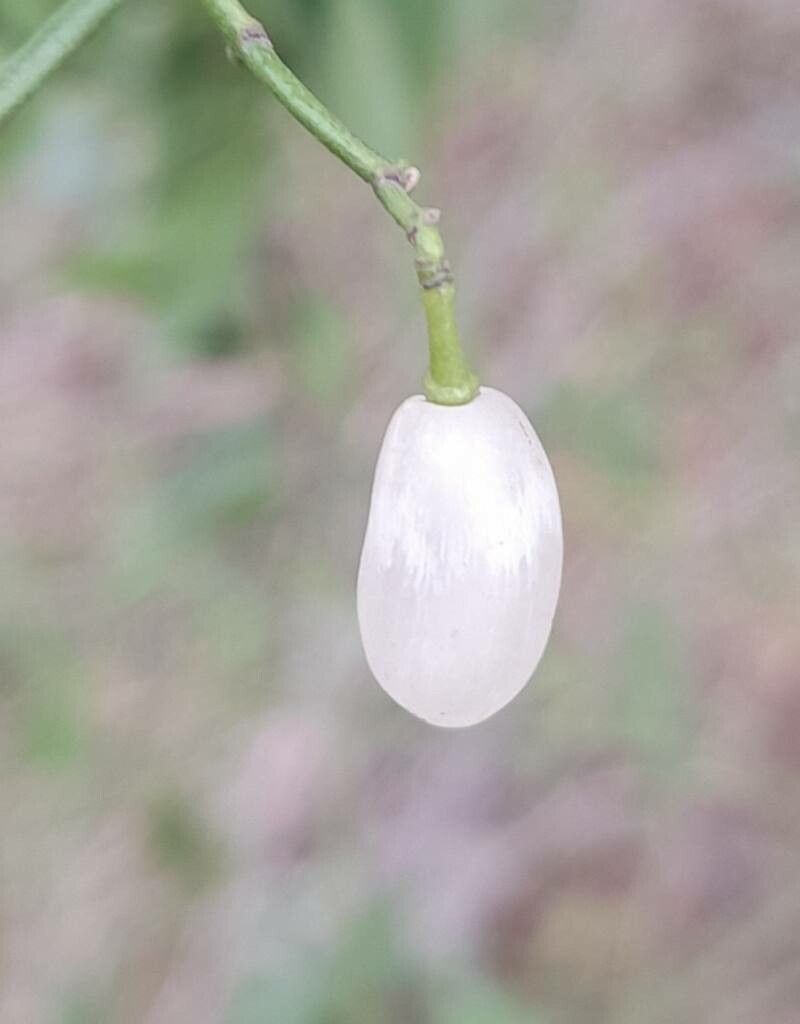
Oh, hello there, fellow plant enthusiast! Grab a mug of your favorite brew, because today we’re diving into the wonderful world of propagating Vallesia glabra. If you’re anything like me, you’ve probably fallen for its delicate, cascading foliage – it just has this graceful charm that brings a tropical vibe to any space. And the best part? Sharing that beauty by making more plants is incredibly rewarding. You’ll be happy to know that Vallesia glabra is a fairly forgiving plant to propagate, making it a great choice even if you’re just starting your propagation journey.
The Best Time to Start
For the highest success rates with Vallesia glabra, I find the late spring to early summer is absolutely perfect. This is when the plant is actively growing and has plenty of energy reserves to put into rooting new cuttings. You’re essentially catching it at its peak vigor, which makes all the difference.
Supplies You’ll Need
To get started, here’s a little kit I always have on hand:
- Sharp, clean pruning shears or a very sharp knife: Essential for making clean cuts, which helps prevent disease.
- Rooting hormone (optional, but recommended): A helpful boost for encouraging root development. I prefer a powdered version for stem cuttings.
- Well-draining potting mix: A blend of perlite, peat moss, and a bit of compost works wonders. You can also use a dedicated seed-starting mix.
- Small pots or propagation trays: Clean pots are key!
- Plastic bag or a clear dome: To create a mini-greenhouse effect.
- Watering can or spray bottle: For gentle watering.
Propagation Methods
My go-to for Vallesia glabra is stem cuttings. It’s straightforward and usually yields great results.
- Take Your Cuttings: Select a healthy stem on your Vallesia glabra that hasn’t flowered. Using your clean shears, cut a section about 4-6 inches long. Make the cut just below a leaf node (where the leaf attaches to the stem).
- Prepare the Cuttings: Gently remove the lower leaves. You want to expose at least two leaf nodes that will be below the soil line. This is where the roots will emerge.
- Apply Rooting Hormone (If Using): Dip the cut end of the stem into the rooting hormone, tapping off any excess.
- Potting Up: Fill your clean pots with the well-draining potting mix. Make a small hole in the center with your finger or a pencil. Gently insert the prepared cutting into the hole, ensuring at least one or two leaf nodes are buried. Firm the soil gently around the base.
- Water Gently: Water the soil thoroughly until it drains from the bottom. You don’t want soggy soil, just good moisture.
- Create a Humid Environment: Place the pot inside a clear plastic bag, sealing it loosely, or cover it with a clear propagation dome. This traps humidity, which is crucial for the cuttings to root.
The “Secret Sauce”
Now, here are a few things I’ve learned over the years that can really tip the scales in your favor:
- Don’t Let Leaves Touch Water (if doing water propagation): While I prefer soil for Vallesia glabra, if you choose to water propagate, make sure no leaves are submerged in the water. Rotting leaves will quickly rot your cutting before roots even have a chance to form. Only the stem should be in the water.
- Bottom Heat is Your Friend: A heat mat placed under your pots can significantly speed up the rooting process. It mimics the warmth of spring soil and encourages those roots to get going. I’ve found it makes a noticeable difference, especially for less vigorous cuttings.
- Patience and Observation: Not every cutting will make it, and that’s okay! Check your cuttings periodically. You’re looking for signs of new growth. If the soil feels dry, give it a gentle mist.
Aftercare & Troubleshooting
Once you see new leaves emerging or feel a gentle resistance when you lightly tug on the cutting (a sign of root development!), it’s time to start acclimating your new plant.
- Gradually Remove the Humidity Cover: For the first week or two, gradually open the plastic bag or dome a little each day. This helps the new plant adjust to normal humidity levels.
- Water Sparingly: Continue to water when the top inch of soil feels dry. Avoid overwatering, as this is a common cause of failure.
- Provide Bright, Indirect Light: Place your baby plant in a spot with bright, indirect light. Too much direct sun can scorch young leaves.
The most common issue you’ll encounter is rot. If your cutting turns mushy and black, or if the leaves start to yellow and fall off despite proper watering, it’s likely due to overwatering or poor air circulation. If you see wilting with no signs of new growth, it might just need more time or a bit more humidity. Don’t be discouraged if a few don’t take; just try again!
So there you have it! Propagating Vallesia glabra is a wonderfully satisfying process. Remember to be patient, keep those cuttings happy with the right conditions, and don’t be afraid to experiment. Watching a tiny cutting grow into a beautiful new plant is one of gardening’s greatest joys. Happy propagating!
Resource:
https://identify.plantnet.org/k-world-flora/species/Vallesia%20glabra%20(Cav.)%20Link/data