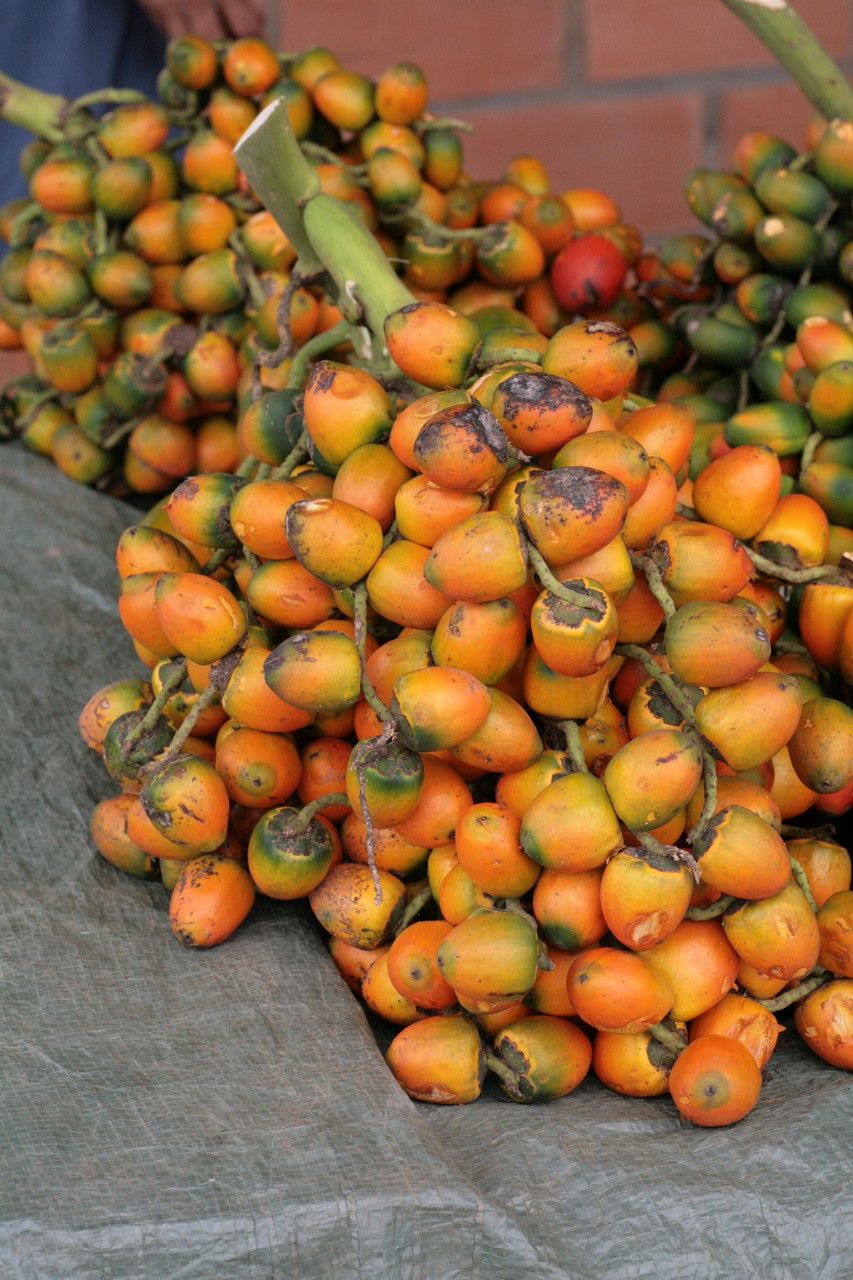
Oh, hello there! Come on in, pull up a chair. Let’s chat about one of my favorite palms, Bactris gasipaes, often known as the Peach Palm or Pupunha.
Your Pocketful of Sunshine: Why Propagating Bactris Gasipaes is a Joy
There’s something truly special about taking a part of a thriving plant and coaxing it into a new life. And with the Peach Palm, it’s especially rewarding. Its graceful, multi-stemmed habit and the promise of delicious fruit (if you’re in the right climate!) make it a real standout in any tropical garden. Now, is it a beginner’s project? Honestly, it’s one that requires a bit of patience, but it’s far from impossible. With the right approach, you’ll be rewarded with multiple new palms.
When to Get Your Hands Dirty
The absolute best time to try propagating Bactris gasipaes is when the parent plant is in its active growing season. For most of us, this means late spring through early fall. You want to see plenty of new growth. If you’re looking to divide, wait until the plant is actively producing pups. Trying this when it’s resting won’t give you the best results.
Your Propagation Toolbox
Here’s what you’ll want to have ready:
- Sharp, clean pruning shears or a sharp knife: Sterilize them with rubbing alcohol first to prevent spreading any nasty bugs or diseases.
- Well-draining potting mix: I like a blend of equal parts peat moss, perlite, and coarse sand. This offers good aeration and prevents soggy roots. You can also find specialized palm mixes.
- Rooting hormone (optional but recommended): A powder or gel can give your cuttings a helpful boost.
- Small pots or trays with drainage holes: These are perfect for getting your new plants started.
- Plastic bags or a propagation dome: To keep humidity levels high.
- A warm, bright location: Indirect sunlight is best to start.
Bringing New Palms to Life: The Methods
Bactris gasipaes is primarily propagated through division. This means separating the baby plants, or “pups,” that grow at the base of the mother plant.
Method: Division
- Assess Your Mother Plant: Look for young pups that have started to form their own root systems. They’ll usually be a few inches tall and have a few leaves.
- Gently Excavate: Carefully dig around the base of the pup you want to separate. I like to use my hands or a small trowel to avoid damaging the roots of both the pup and the mother plant. You want to expose as much of the pup’s base and its roots as possible.
- Make the Cut (If Necessary): Sometimes, the pup will detach easily. If it’s firmly attached, you’ll need to use your sharp, sterilized knife or shears to make a clean cut close to the mother plant. Try to keep as many roots attached to the pup as you can.
- Prepare the Pup: If the pup has very large leaves, you can trim them back by about half. This reduces water loss while the roots are establishing.
- Potting Up: Fill your small pots with your well-draining mix. Make a hole in the center large enough to accommodate the pup’s root ball. Place the pup in the hole and gently firm the soil around it, ensuring it’s stable.
- Water and Cover: Water thoroughly to settle the soil. Then, cover the pot with a plastic bag or place it inside a propagation dome. This creates a humid environment that’s crucial for root development.
The “Secret Sauce”: My Insider Tips
- Don’t Rush the Separation: I’ve found that pups that have developed a decent root system on their own are much more likely to succeed. Resist the urge to take a tiny little nub. Patience here really pays off.
- Bottom Heat is Your Friend: Palms love warmth. If you have a heat mat designed for plants, placing your pots on it can significantly speed up root growth. It mimics the consistent warmth you’d find in their natural habitat.
- Airflow is Key: While that plastic bag is great for humidity, don’t forget to lift it daily for a few minutes to allow for some air circulation. This helps prevent fungal issues, which can really set you back.
Aftercare and Waking Up to Success
Once you’ve potted up your pups, keep them in a warm spot with bright, indirect light. Water when the top inch of soil feels dry. You’ll know your pup is happy and starting to root when you see new leaf growth. This can take anywhere from a few weeks to a couple of months.
If you see wilting or yellowing leaves that don’t improve, or if the soil stays soggy and smells musty, you might be dealing with rot. This often happens if the potting mix is too wet and doesn’t drain well, or if the pup didn’t have enough roots to start with. If you suspect rot, gently unpot it to check the roots. If they are mushy and black, it’s unfortunately a lost cause.
Happy Growing!
Propagating Bactris gasipaes is a wonderfully satisfying journey. It might take a little time and attention, but there’s a unique joy in nurturing these tropical beauties from their beginnings. Be patient with yourself and the process, and enjoy watching those new palms take shape! You’ve got this!
Resource:
https://identify.plantnet.org/k-world-flora/species/Bactris%20gasipaes%20Kunth/data