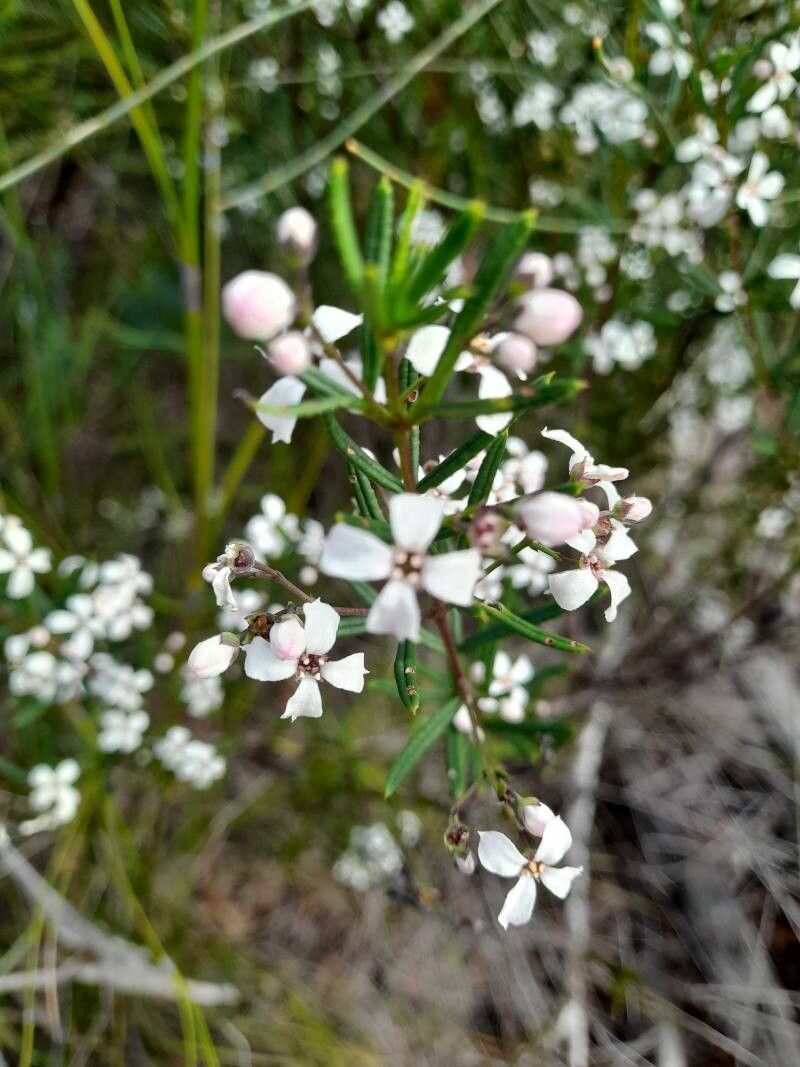
Hello, fellow plant lovers! Today, I’m excited to chat about a truly delightful Australian native: Zieria laevigata, also known as Smooth-leafed Zieria. This beauty offers delicate, star-shaped flowers, often a lovely pink or white, that truly brighten up any garden or pot. Plus, its foliage is wonderfully aromatic, releasing a sweet scent when you brush past.
There’s something incredibly satisfying about taking a small piece of your favorite plant and coaxing it into its own independent life. It’s a wonderful way to expand your collection without breaking the bank, and honestly, it feels a bit like magic when you see those first tiny roots emerge. For Zieria laevigata, I’d say it’s a moderately easy plant to propagate. It’s not quite as foolproof as a Pelargonium, but with a little care and attention, you’ll likely see success.
The Best Time to Start
My go-to time for taking cuttings of Zieria laevigata is when the plant is actively growing but not in full bloom. Think late spring or early summer. You want to catch the plant at a stage where it has plenty of energy to put into root development. Avoid taking cuttings from stressed or wilted plants; healthy parent plants yield the best results.
Supplies You’ll Need
Gathering your supplies beforehand makes the whole process much smoother. Here’s what I always have on hand:
- Sharp Pruning Shears or a Craft Knife: Clean, sharp tools are crucial for making clean cuts that heal well.
- Rooting Hormone (Optional but Recommended): A little boost can significantly improve your success rate. Look for one formulated for semi-hardwood cuttings.
- Small Pots or Seedling Trays: Clean pots are a must. I prefer terracotta as they allow the soil to breathe.
- Well-Draining Potting Mix: A good blend is key. I usually mix equal parts perlite, coir or peat moss, and some coarse sand. You want something that doesn’t hold too much moisture.
- Clear Plastic Bag or Propagator Lid: To create a humid environment for your cuttings.
- Watering Can with a Fine Rose: For gentle watering.
Propagation Methods: Stem Cuttings
This is my preferred method for Zieria laevigata. It’s reliable and gives you a good number of potential new plants.
- Select Your Parent Plant: Choose a healthy, vigorous Zieria laevigata. Look for stems that are supple and slightly woody, but not too old or brittle. This is what we call semi-hardwood.
- Take the Cuttings: Using your sharp clean shears, take cuttings about 10-15 cm long. Make the cut just below a leaf node (where a leaf meets the stem). This is where roots tend to form most readily.
- Prepare the Cuttings: Gently remove the lower leaves from the cutting, leaving just a few at the very top. This prevents them from rotting in the soil and encourages the plant to focus its energy on root production.
- Apply Rooting Hormone (Optional): If you’re using rooting hormone, dip the cut end of the stem into it. Gently tap off any excess.
- Potting Up: Fill your clean pots with your prepared potting mix. Make a small hole in the center with a pencil or your finger.
- Insert the Cuttings: Carefully place the cut end of each cutting into the hole you made. Firm the soil gently around the stem to ensure good contact.
- Water Gently: Water the mix thoroughly but gently, ensuring it’s moist but not waterlogged.
- Create Humidity: Cover each pot with a clear plastic bag, securing it around the rim with a rubber band, or place them inside a propagator with a lid. This traps moisture and creates the humid environment cuttings need to survive before they develop roots.
The “Secret Sauce” (Pro Tips)
Here are a few tricks I’ve learned over the years that can really boost your Zieria propagation success.
- Bottom Heat is Your Friend: If you have a heat mat designed for propagation, place your pots on it. Zierias love a bit of warmth when they’re trying to root, and bottom heat encourages that root development much faster.
- Don’t Drown Your Cuttings: While humidity is important, standing water is the enemy. Make sure your pot drains well, and avoid letting the leaves of the cutting sit in water that collects in a tray. Check the soil moisture regularly and water only when the very top is dry to the touch.
- Air Circulation is Key: While you want humidity, don’t let your cuttings sit in stagnant air for too long. If using a plastic bag, you might want to lift it for a few minutes each day to allow for some air exchange. This helps prevent fungal issues.
Aftercare & Troubleshooting
Once you see signs of new growth – tiny leaves or shoots emerging – it’s a good indication that your Zieria cuttings have started to root. This usually takes anywhere from 4-8 weeks, sometimes longer.
- Gradual Acclimation: Once roots are forming, gradually introduce your new plants to more normal conditions. Start by opening the plastic bag a little more each day, or lifting the propagator lid for longer periods.
- Continue Gentle Watering: Keep the soil consistently moist but not soggy. As they grow, you can water them a bit more thoroughly.
- Light Requirements: Place your rooted cuttings in a bright spot, but out of direct, harsh sunlight. They’ll appreciate dappled light until they are stronger.
The most common sign of failure is wilting and browning of the cutting, often followed by rot. This is usually a sign of too much moisture or not enough humidity, or sometimes, a combination of both. If a cutting goes black and mushy at the base, it’s likely a goner. Don’t get discouraged! It’s all part of the learning process.
A Encouraging Closing
Propagating any plant is a journey, and Zieria laevigata is no exception. Be patient with your little cuttings; they’re working hard to establish themselves. There might be a few that don’t make it, but celebrate the ones that do! Enjoy the process of nurturing these new lives, and soon you’ll have even more of that wonderful Zieria fragrance and charm to enjoy. Happy growing!
Resource:
https://identify.plantnet.org/k-world-flora/species/Zieria%20laevigata%20Bonpl./data