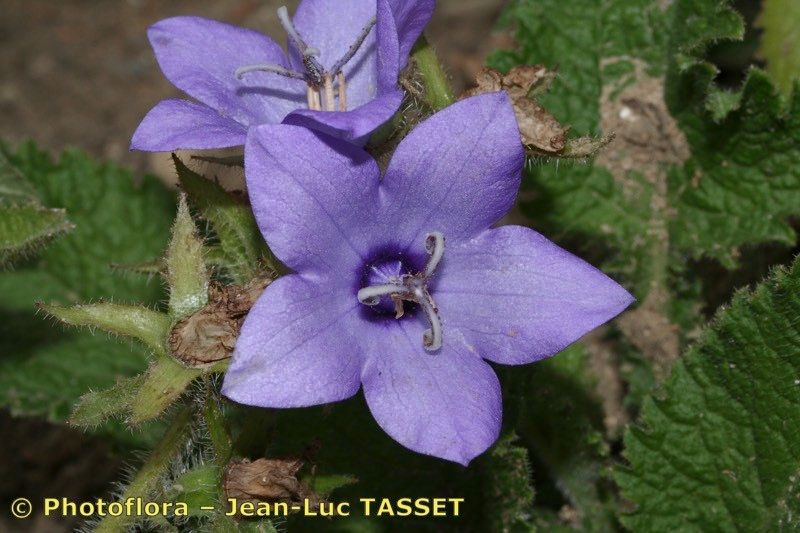
Oh, Campanula alata! If you’ve ever seen these charming bellflowers gracing a garden border or spilling out of a pot, you know exactly why I’m so smitten. Their delicate, often sky-blue, purple, or white flowers add such a sweet, whimsical touch. And guess what? Sharing them with friends, or simply filling your own garden with more of them, is surprisingly easy. Today, we’re going to dive into how you can propagate your own Campanula alata.
The Best Time to Start
For Campanula alata, the sweet spot for propagation is usually late spring to early summer. This is when the plant is actively growing. You’ll be looking for healthy, non-flowering stems. Starting now means your new babies will have plenty of time to establish themselves before the cooler weather arrives.
Supplies You’ll Need
Here’s what I always have on hand for a propagation session:
- Pruning shears or a sharp knife: Clean is key to preventing disease.
- Rooting hormone (optional but recommended): A little powder or gel can give cuttings a real boost.
- Well-draining potting mix: I like a blend of equal parts peat moss or coco coir and perlite or coarse sand. This ensures good aeration.
- Small pots or seed trays: Clean ones are a must!
- Plastic bags or a propagator: To create a humid environment.
- Watering can with a fine rose: For gentle watering.
Propagation Methods
Campanula alata can be propagated through a couple of tried-and-true methods.
Stem Cuttings
This is my go-to for Campanula alata. It’s reliable and gives you more plants relatively quickly.
- Take cuttings: In late spring or early summer, select healthy, non-flowering stems. Using your clean shears, cut a stem about 4-6 inches long, just below a leaf node (where a leaf attaches to the stem).
- Prepare the cuttings: Gently remove the lower leaves from the cutting, leaving just 2-3 leaves at the top to help with photosynthesis. If the leaves are quite large, you can even cut them in half to reduce moisture loss.
- Apply rooting hormone: Dip the cut end into rooting hormone, tapping off any excess.
- Plant the cuttings: Fill your small pots with your well-draining mix. Make a small hole with a pencil or your finger, then insert the cutting. Gently firm the soil around it.
- Water and cover: Water the soil thoroughly but gently. Cover the pot with a clear plastic bag, using a few small sticks to keep the bag from touching the leaves. This creates a mini greenhouse. Place the pots in a bright location, but out of direct, hot sun.
Division
If you have an established clump, division is another fantastic way to multiply your Campanula alata.
- Dig up the plant: In early spring, before new growth really gets going, carefully dig up the entire plant.
- Separate the divisions: Gently shake off excess soil. You should be able to see natural divisions in the root ball. You can use your hands, or a clean spade or knife to carefully split the clump into smaller sections. Each section should have at least a few shoots and some healthy root.
- Replant: Replant the divisions immediately into their new spots in the garden or into pots with fresh, well-draining soil. Water them in well.
The “Secret Sauce” (Pro Tips)
After years of playing with plants, you pick up a few tricks!
- Don’t crowd your cuttings: Give each cutting a little space in its pot. Overcrowding can lead to fungal issues and increase the risk of rot.
- Bottom heat makes a difference: If you have a heat mat for seedlings, place your pots of cuttings on it. This warmth from below encourages root development much faster than without.
- Fresh water is crucial: If you decide to try water propagation (which I find less reliable for Campanula alata, but still possible!), change the water every couple of days. Stagnant water is a breeding ground for bacteria that can kill your cuttings.
Aftercare & Troubleshooting
Once you see tiny roots emerging from the drainage holes or new growth on your cuttings, you know you’re on the right track!
- Gradually acclimate: If your cuttings are in a plastic bag, start opening it for a few hours each day over a week to get them used to normal humidity levels.
- Water consistently: Keep the soil lightly moist, but never soggy. Overwatering is the fastest way to invite rot.
- Signs of trouble: The most common issue is rot, where the cutting turns mushy and black. This is usually due to too much moisture and poor air circulation. Unfortunately, rotted cuttings can’t be saved. If you see your cuttings wilting and looking a bit sad, check the soil moisture first. Sometimes they just need a drink, but sometimes it’s a sign things aren’t quite right.
A Encouraging Closing
Propagating Campanula alata is a journey, and like any good garden adventure, it requires a little patience and a lot of observation. Don’t be disheartened if every single cutting doesn’t make it. The joy is truly in the process, learning what works for your plants and your environment. So, go ahead, get your hands dirty, and happy propagating! You’ll soon have a garden filled with these delightful bells.
Resource:
https://identify.plantnet.org/k-world-flora/species/Campanula%20alata%20Desf./data