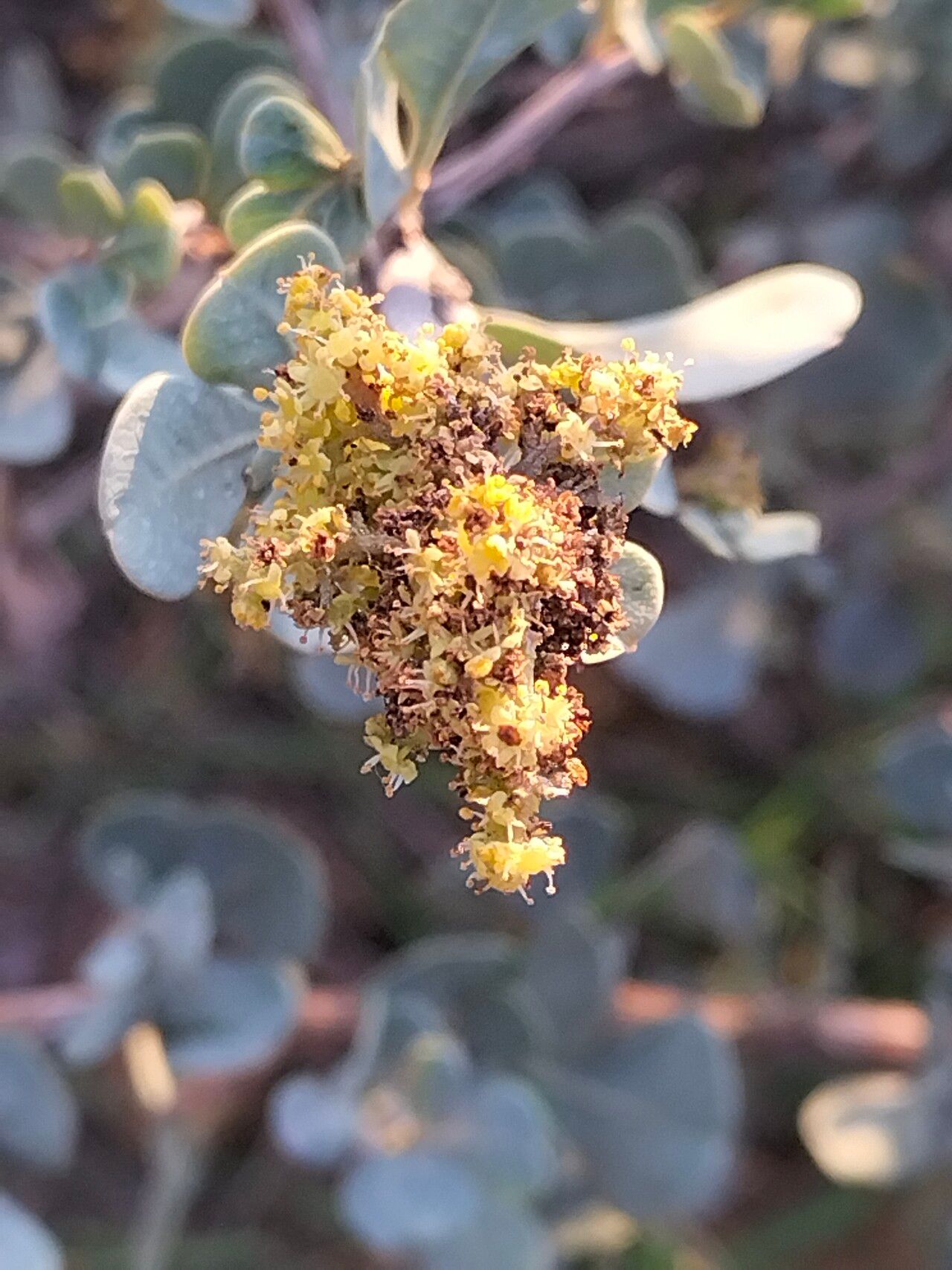
Hey there, fellow garden enthusiasts! I’m so excited to dive into a plant that’s brought me so much joy over the years: Searsia glauca, often called Blue Currtain or African Sumac. Its delicate, silvery-blue foliage creates such a soft, airy texture in the garden, and it’s surprisingly tough once established. Plus, the satisfaction of bringing a new plant to life from a tiny cutting? There’s nothing quite like it!
Now, about ease of propagation. Honestly, Searsia glauca is a pretty good plant for those just dipping their toes into the world of cuttings. It’s not overly fussy, which is always a relief, isn’t it?
The Best Time to Start
My absolute favorite time to take cuttings of Searsia glauca is in late spring to early summer. This is when the plant is in a vigorous growth phase. You want to be looking for stems that are semi-hardened. This means they’re a bit more mature than the brand-new, bright green shoots, but not quite woody and tough. Think of stems that have a little bit of bend to them but aren’t snapping easily. Taking them during this active growth period gives them the best chance to root quickly.
Supplies You’ll Need
Gathering your tools beforehand makes the whole process so much smoother. Here’s what I usually have on hand:
- Sharp Pruning Shears or a Craft Knife: Cleanliness is key to preventing disease.
- Rooting Hormone (Optional but Recommended): A good quality rooting hormone can really give your cuttings a boost.
- Well-Draining Potting Mix: I like a mix of perlite, coco coir, and a bit of compost. Avoid heavy garden soil.
- Small Pots or Seedling Trays: Clean pots are a must!
- Labels or Popsicle Sticks: For identifying your cuttings!
- Plastic Bags or a Clear Propagator: To create a humid environment.
- Water Mister: For a gentle spray.
- Small Pebbles or Grit (Optional): To improve drainage in the pots.
Propagation Methods
I’ve found that stem cuttings are the most reliable way to propagate Searsia glauca. It’s straightforward and yields great results.
- Select Your Cuttings: Head out to your mature plant and carefully select healthy stems. Look for those semi-hardened branches I mentioned. You want cuttings that are about 4-6 inches long.
- Make the Cut: Using your sharp pruning shears or a clean craft knife, make a clean cut just below a leaf node. A leaf node is where a leaf grows from the stem. This is where the magic happens for rooting.
- Prepare the Cuttings: Gently remove the lower leaves from the cutting, leaving just a few at the very top. If the top leaves are very large, you can even snip them in half to reduce water loss.
- Dip in Rooting Hormone (If Using): Dip the cut end of the stem into your rooting hormone. Tap off any excess.
- Pot Them Up: Fill your clean pots or trays with your well-draining potting mix. Make small holes in the mix with a pencil or your finger.
- Insert the Cuttings: Gently insert the bottom few inches of each cutting into the prepared holes. Firm the soil gently around the base of the stem to ensure good contact.
- Water Gently: Water the soil lightly but thoroughly. You want it moist, not soggy.
- Create Humidity: This is where the plastic bag or propagator comes in. Place a clear plastic bag over the pot, making sure it doesn’t touch the leaves too much. You can also use a pre-made propagator lid. The goal is to create a mini greenhouse effect.
- Find a Sunny Spot: Place your pots in a bright location that gets indirect sunlight. Avoid direct, hot sun, which can scorch the cuttings.
The “Secret Sauce” (Pro Tips)
After years of tinkering, I’ve picked up a few tricks that seem to make all the difference:
- Don’t Let the Leaves Touch the Water: If you’re doing water propagation (which is less common for Searsia glauca but sometimes works), always ensure that no leaves are submerged. Rot sets in so fast if they are! For stem cuttings in soil, this means making sure your leaves aren’t constantly brushing against a damp pot surface if you’re using a humidity dome.
- Consider Bottom Heat: If you have a propagation mat, placing your pots on it can really speed up root development. It mimics the warmth of spring soil and encourages those roots to form more quickly. Don’t overdo the heat, though; just a gentle warmth is perfect.
Aftercare & Troubleshooting
Once you start seeing tiny roots emerging from the drainage holes (this can take anywhere from 4-8 weeks, so be patient!), it’s time for a little extra care.
Begin to gradually acclimatize your new plants to normal conditions. This means opening your propagator or removing the plastic bag for longer periods each day over a week or two. Keep the soil consistently moist but not waterlogged.
The most common issue you’ll encounter is rot. If you notice stems turning mushy or black at the base, it’s usually a sign of too much moisture or poor air circulation. Sadly, once rot takes hold, it’s difficult to save the cutting. On the flip side, if your cuttings look wizened and dry with no sign of life, they likely didn’t get enough humidity or were in too weak a light situation.
A Encouraging Closing
Propagating plants is a journey, and while not every cutting will make it, the successes are so incredibly rewarding. Be patient with your Searsia glauca cuttings. Enjoy the process of nurturing something new, and when those first roots appear, you’ll feel that special gardener’s pride. Happy propagating!
Resource:
https://identify.plantnet.org/k-world-flora/species/Searsia%20glauca%20(Thunb.)%20Moffett/data