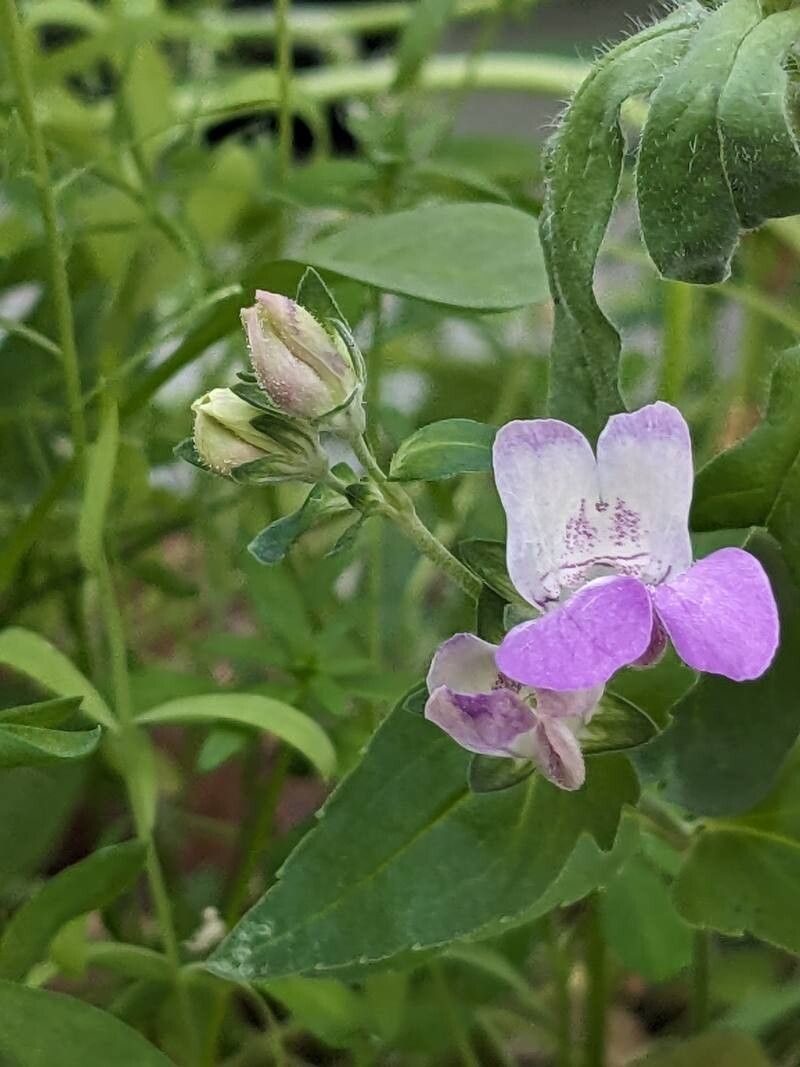
Hey there, fellow garden enthusiasts! Today, we’re diving into the delightful world of Collinsia bartsiifolia, also known as Chinese Houses. If you’ve ever seen these quirky, tiered blooms gracing a garden, you know just how charming they are. Their unique flower structure, with those little “houses” stacked upon each other, is truly a sight to behold. And the best part? They’re a snap to grow and even easier to propagate! If you’re looking for a rewarding plant to multiply for your own garden or to share with friends, this is a fantastic choice. In fact, I’d say Collinsia bartsiifolia is wonderfully beginner-friendly when it comes to propagation. Let’s get our hands in the dirt and explore how we can grow more of these beauties.
When is the Perfect Moment?
For Collinsia bartsiifolia, the best time to start propagating is from seed, and they absolutely love to be sown in the early spring, as soon as the threat of hard frost has passed. You can also sow them in late summer or early fall for blooms the following spring. If you happen to have a mature plant, you might be able to take cuttings, but honestly, starting from seed is so straightforward, it’s usually my go-to. This plant thrives in cooler weather, so giving them a head start indoors before the last frost is also an option, though direct sowing outdoors is often most successful.
What You’ll Need to Get Started
Gathering your supplies is half the fun! Here’s what I usually have on hand:
- Seed-starting mix or a light, well-draining potting soil: You don’t want anything too heavy that will hold too much moisture.
- Small pots or seed trays: Clean ones are a must to prevent disease.
- Watering can with a fine rose or a spray bottle: Gentle watering is key.
- Labels and a marker: Trust me, you’ll forget what you planted where!
- A sunny windowsill or a protected outdoor spot: Depending on when you’re sowing.
- (Optional) A clear plastic dome or plastic wrap: To create a mini-greenhouse effect for seedlings started indoors.
Let’s Get Propagating! (Seed Sowing Method)
Since seed propagation is so effective for Collinsia bartsiifolia, we’ll focus on that. It’s incredibly rewarding to watch these little seeds transform into vibrant plants.
- Prepare your containers: Fill your seed trays or small pots with the seed-starting mix, lightly pressing it down. Leave about half an inch of space at the top.
- Moisten the soil: Gently water the soil until it’s evenly moist but not waterlogged.
- Sow the seeds: Collinsia bartsiifolia seeds are quite small, so there’s no need to sow them deeply. Lightly sprinkle the seeds over the surface of the soil. You can sow them relatively densely, as you can always thin them out later.
- Lightly cover (or don’t!): Some gardeners whisper that Collinsia seeds actually benefit from light exposure to germinate, so I often just press them gently into the surface or barely cover them with a tiny dusting of vermiculite or more seed mix. It’s a bit of a gamble, but it usually works out.
- Provide the right environment: If you’re starting indoors, place the trays on a sunny windowsill. Covering them with a clear plastic dome or plastic wrap will help maintain humidity. If sowing outdoors, choose a sheltered spot where they won’t be washed away by heavy rain.
- Water gently and consistently: Keep the soil consistently moist. A spray bottle is excellent for this initial stage to avoid dislodging the tiny seeds.
- Patience is a virtue: Germination can be a bit slow and erratic, sometimes taking 14 to 30 days. Don’t give up!
My Little Insider Secrets
Over the years, I’ve picked up on a few things that seem to give Collinsia bartsiifolia a boost.
- Don’t be afraid of the chill: While we start them in spring, Collinsia actually appreciates a bit of cool weather for germination. If you sow them directly outdoors in early spring, the natural temperature fluctuations can actually encourage them to sprout.
- Thin them with care: When your seedlings are a couple of inches tall and have a few true leaves, it’s time to thin them out. Overcrowded conditions can lead to weaker plants. I actually use the thinnings to replant in other spots – it’s like getting extra plants for free! Just gently pull out the weaker ones, leaving the strongest about 4-6 inches apart.
- They like companions: Collinsia bartsiifolia looks fantastic planted amongst other cool-season annuals or even some perennials. They don’t demand a lot of fuss and often appreciate a bit of dappled shade in the hottest part of the day when they get bigger.
Aftercare and What to Watch For
Once your little Collinsia seedlings are up and growing, keep them consistently watered. As they get a bit bigger, you can move them to their final planting location if they’re in pots. They’re pretty forgiving, but they do prefer good drainage.
The main thing to watch out for is dampening off, a fungal disease that affects seedlings in overly wet, poorly drained conditions. You’ll see the stem near the soil line suddenly wither and the seedling will collapse. Proper air circulation and not overwatering are your best defenses here. If you see signs of rot, sometimes removing the affected seedlings and improving drainage can save the rest.
Happy Growing!
Propagating Collinsia bartsiifolia from seed is such a simple pleasure. It’s a beautiful way to fill your garden with those whimsical blooms or send little packets of joy to fellow plant lovers. Be patient with the germination process, give them the right conditions, and enjoy watching them grow. Happy gardening!
Resource:
https://identify.plantnet.org/k-world-flora/species/Collinsia%20bartsiifolia%20Benth./data