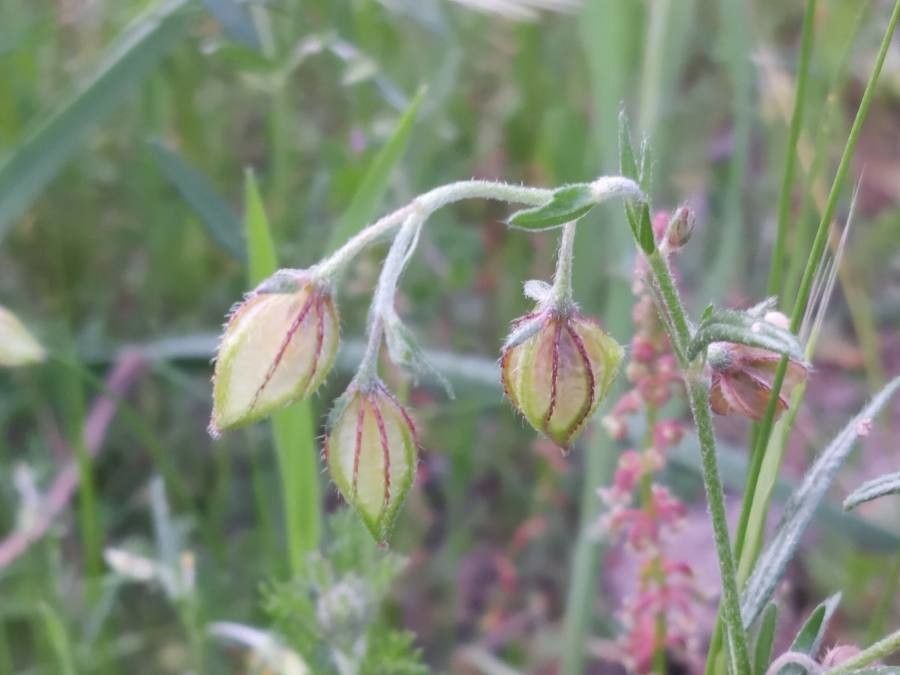
Oh, hello there! Come on in, grab a cup of something warm. I’m so glad you asked about Helianthemum aegyptiacum. This little gem, often called the Egyptian rock rose or sun rose, is just a delight. Imagine a carpet of sunshine in your garden, with delicate, daisy-like flowers that dance in the breeze. They’re incredibly tough, too, loving sunny, dry spots. And the best part? They’re surprisingly rewarding to propagate! For beginners, I’d say they’re moderately easy. A little patience goes a long way, and once you get the hang of it, you’ll be sharing these beauties with everyone.
The Best Time to Start
The sweet spot for propagating Helianthemum aegyptiacum is typically late spring to mid-summer. This is when the plant is in active growth, meaning it’s full of vigor and ready to put out new shoots. You want to look for stems that are semi-hardwood. They should be bendy enough to cut cleanly but not so soft that they’ll flop over immediately. Think of it as a firm pencil, not a fresh twig.
Supplies You’ll Need
To set yourself up for success, gather these few things:
- Sharp pruning shears or a clean knife: For making precise cuts to avoid crushing the stems.
- Rooting hormone (optional, but recommended): This can give your cuttings a helpful boost.
- Seed-starting mix or a gritty potting mix: A well-draining mix is crucial! I like a blend of equal parts perlite and coco coir, or a good quality seed starting mix with some added perlite.
- Small pots or trays: Clean ones are best to avoid disease. Yogurt cups with drainage holes poked in the bottom work in a pinch!
- A spray bottle: For misting your cuttings.
- A plastic bag or clear propagator lid: To create a humid environment.
- A sunny, bright location: But avoid direct, scorching sun for the cuttings themselves.
Propagation Methods
I find stem cuttings to be the most reliable method for our Helianthemum aegyptiacum.
- Take Cuttings: Using your clean shears or knife, take 3-4 inch cuttings from healthy, non-flowering stems. Make the cut just below a leaf node (where the leaf attaches to the stem). Remove any lower leaves, leaving just a few at the top.
- Prepare the Cuttings: If you’re using rooting hormone, dip the cut end into the powder or gel. Give it a gentle tap to remove any excess.
- Pot Them Up: Fill your small pots with your well-draining mix. Make a small hole with a pencil or your finger, then gently insert the cutting, ensuring the leaf nodes are buried. Firm the soil gently around the stem.
- Water and Cover: Water the soil lightly until it’s moist but not soggy. Then, place the pot inside a plastic bag and seal it, or cover it with a clear propagator lid. This creates a mini-greenhouse effect.
The “Secret Sauce” (Pro Tips)
Now for a couple of little tricks that I’ve picked up over the years.
- Don’t pack the soil too tightly! Your cuttings need air circulation around the base to encourage root development and prevent rot. You want it firm enough to hold the cutting, but airy.
- Bottom heat is your friend. If you have a heat mat for seedlings, placing your pots on it can significantly speed up root formation. It mimics the warmth of the soil in summer. You don’t want it scorching hot, just gently warm.
Aftercare & Troubleshooting
Once your cuttings are potted, place them in a location that receives bright, indirect light. Misting them occasionally – perhaps every few days – will help keep them turgid. You’ll know they’re rooting when you see signs of new growth, like tiny leaves unfurling. This usually takes 4-8 weeks.
The most common problem you might encounter is rot. This happens when the cuttings are kept too wet or don’t have enough air circulation. If you see a cutting turning black and mushy, it’s best to remove it to prevent the rot from spreading. Pulling gently on a cutting is another indicator. If there’s resistance, it means roots have formed!
A Encouraging Closing
Don’t be discouraged if every single cutting doesn’t make it. Gardening is all about learning and adapting! With a little practice, you’ll be proudly nurturing new Helianthemum aegyptiacum plants in no time. Enjoy the process, and know that you’re creating more beauty for your garden and for others. Happy propagating!
Resource:
https://identify.plantnet.org/k-world-flora/species/Helianthemum%20aegyptiacum%20(L.)%20Mill./data