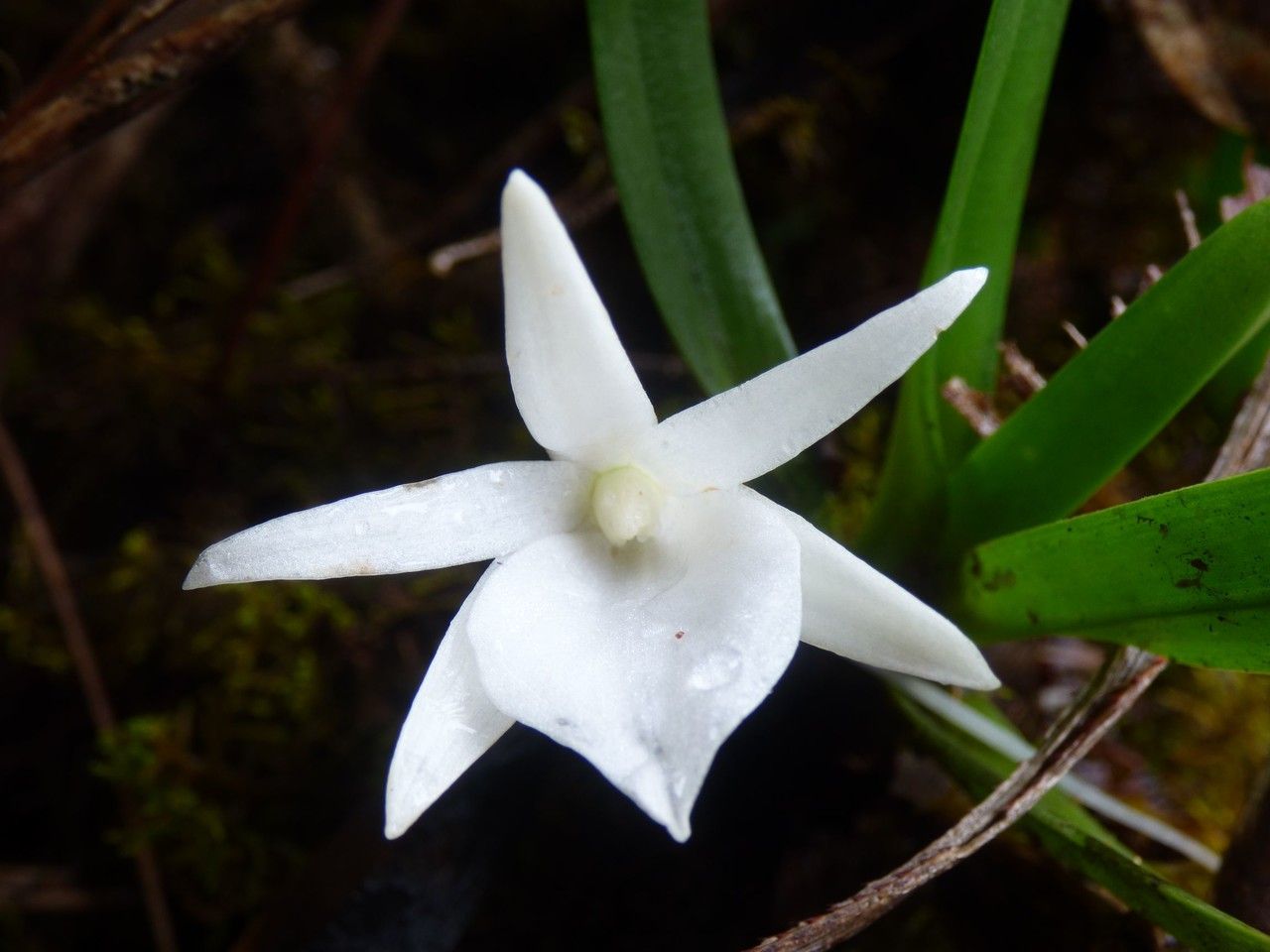
Oh, Angraecum borbonicum! What a beauty. If you’ve ever seen one of these incredible orchids in bloom, you know why they capture our hearts. Their architectural foliage and those ghostly white, star-shaped flowers that often open at night are truly magical. And the scent! It’s subtle, sweet, and utterly captivating.
Many people think propagating orchids is a daunting task, reserved only for the most seasoned growers. While Angraecum borbonicum isn’t exactly a “chuck it in a pot and forget it” kind of plant, I’ve found propagating it to be surprisingly achievable once you understand its needs. It’s a deeply rewarding process to see a tiny cutting begin its own journey. Don’t be shy; give it a try!
The Best Time to Start
The sweet spot for propagating Angraecum borbonicum is definitely during its active growing season. Think spring and early summer. This is when the plant has plenty of energy reserves to dedicate to producing new roots and foliage. Starting when the plant is pushing out new growth, or just after it has finished flowering, will give your cuttings the best chance of success. Avoid trying to propagate during the plant’s rest period in winter.
Supplies You’ll Need
To give your Angraecum borbonicum cuttings the best start, gather these items:
- Sharp, sterile pruning shears or a clean knife: For making precise cuts to minimize damage. Sterilize with rubbing alcohol.
- Fine-grade orchid bark mix: A well-draining mix is crucial. I like a blend of small bark chips, perlite, and a little charcoal.
- Sphagnum moss: High-quality, long-fibered sphagnum is excellent for retaining a bit of moisture while staying airy.
- Small pots or community trays: Whatever you have that’s clean and provides good drainage.
- Rooting hormone (optional but recommended): A powder or gel specifically for orchids can give your cuttings a helpful boost.
- Watering can with a fine rose: For gentle watering.
- Labels and a waterproof marker: To keep track of what you’ve propagated and when!
Propagation Methods
The most common and effective way I’ve found to propagate Angraecum borbonicum is through stem cuttings, often referred to as keikis or plantlets, though these are technically not true keikis if you’re taking them from an established stem.
Stem Cuttings:
- Identify a healthy stem: Look for a mature plant that has developed a secondary stem or a long, established growth that you can divide. You want a section that has at
least two or three healthy leaves and, ideally, a root nubs or a hint of aerial root developing near the base of the leaves. - Make a clean cut: Using your sterile shears or knife, carefully cut the stem about 1-2 inches below the chosen node (the point where a leaf attaches to the stem). Make your cut as clean and smooth as possible.
- Prepare the cutting: Gently remove the lower leaves if they are very old or damaged, but try to keep at least two healthy leaves on the cutting. If you’re using rooting hormone, dip the cut end into the powder or gel, tapping off any excess.
- Potting up: You have a couple of options here depending on your preference.
- In Bark: Fill your small pot with your fine-grade orchid bark mix. Make a small “well” in the center and gently place the cut end of your Angraecum borbonicum cutting into the bark. Firm the bark gently around the stem, ensuring the node or where the aerial root was is in contact with the medium. The cutting should stand upright on its own.
- In Sphagnum Moss: Slightly dampen (not waterlogged!) a good handful of long-fibered sphagnum moss. Gently pack the moss around the cut end of the stem. Place this into a small pot or even a sealed plastic bag or container if you want to create a mini-greenhouse effect to maintain humidity.
The “Secret Sauce” (Pro Tips)
Here are a few things I’ve learned over the years that make a big difference:
- Humidity is King: Angraecum borbonicum loves humidity. If you’re potting in bark, mist the cutting lightly every day or two. If you’re using sphagnum or a plastic bag, that environment will usually provide enough. Watch for condensation inside the bag or pot—that’s a good sign!
- Gentle Watering is Key: These orchids are prone to rot if their roots stay too wet. When you water, water thoroughly but then allow the potting medium to dry out considerably before watering again. For cuttings, this might mean watering only once a week, or even less, depending on your environment.
- Don’t Rush the Roots: Be patient! It can take weeks, even months, for new roots to develop. Resist the urge to constantly dig them up to check. Look for new leaf growth as a primary indicator that roots are forming and the plant is happy.
Aftercare & Troubleshooting
Once you see signs of new root growth – a little nub pushing out of the potting medium or a fresh, green tip on an existing aerial root – your cutting is on its way! Continue to water as described above. You can gradually increase the frequency slightly as the root system develops.
The most common issue you’ll encounter is rot. This usually happens if the cutting is kept too wet without enough air circulation. If you see the stem turning mushy or black, or the leaves becoming yellow and soft, rot is likely setting in. Sadly, at this point, the cutting is usually lost. Prevention is definitely better than cure with these beauties! Another sign of trouble is if the leaves start to shrivel and the cutting never develops roots. This could mean it’s simply not viable, or the humidity is too low, or perhaps it needed that rooting hormone.
A Encouraging Closing
Propagating Angraecum borbonicum is a journey of observation and patience. There will be times when a cutting just doesn’t make it, and that’s part of the learning process. But believe me, the moment you see that first tiny root appear, or a new leaf unfurl on your propagated plant, it’s an incredibly satisfying feeling. Enjoy the process, learn from each attempt, and soon you’ll have more of these magnificent orchids to admire! Happy growing!
Resource:
https://identify.plantnet.org/k-world-flora/species/Angraecum%20borbonicum%20Bosser/data