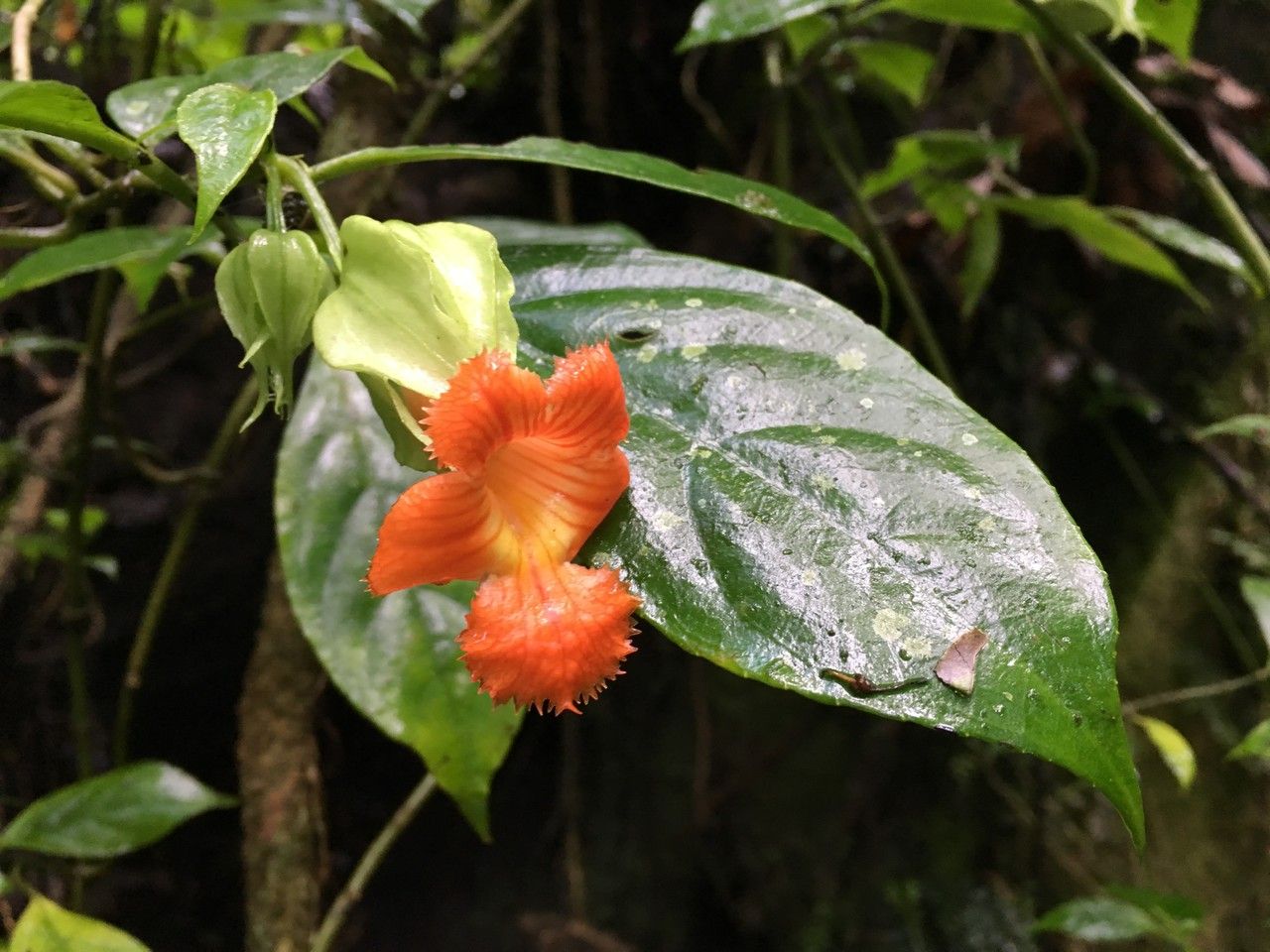
Oh, hello there! It’s wonderful to see you delving into the world of plant propagation. Today, we’re going to talk about a real gem: Drymonia rubra. This vine, with its gorgeous, velvety leaves and the most stunning red, trumpet-shaped flowers, is a true showstopper in my greenhouse. The best part? It’s surprisingly rewarding to multiply. If you’re a beginner looking for a new challenge, you’ll find Drymonia rubra to be a wonderfully accessible plant to start with. Let’s get our hands dirty and bring more of this beauty into your life!
The Best Time to Start
When it comes to getting the highest success with Drymonia rubra, I always aim for late spring or early summer. This is when the plant is actively growing, putting out fresh, vibrant shoots that are just begging to be propagated. Think of it as your plant showing off its best energy – that’s exactly what we want to tap into for cuttings that root with gusto.
Supplies You’ll Need
Here’s what I always have on hand when I’m propagating:
- Sharp pruning shears or a clean knife: For making neat cuts.
- A good quality potting mix: I like a blend of peat moss, perlite, and a bit of compost. It needs to be airy!
- Small pots or propagation trays: Whatever you have that’s clean and has drainage holes.
- Rooting hormone (optional but recommended): This can give your cuttings a little extra boost.
- A clear plastic bag or humidity dome: To keep things nice and moist for your cuttings.
- Watering can or mister: For gentle watering.
- A sunny windowsill or a spot with bright, indirect light: Where your cuttings can thrive.
Propagation Methods
Drymonia rubra is quite obliging, and two methods work beautifully.
Stem Cuttings
This is my go-to method for Drymonia rubra.
- Take your cuttings: Look for healthy stems with a few sets of leaves. Using your clean shears, cut a section that’s about 4-6 inches long. I try to make the cut just below a leaf node (that little bump where a leaf attaches to the stem).
- Prepare the cutting: Gently remove the lower leaves, leaving just two or three at the top. This reduces moisture loss and prevents leaves from rotting in the soil.
- Apply rooting hormone (if using): Dip the cut end into your rooting hormone, tapping off any excess.
- Plant the cutting: Fill your pot or tray with your prepared potting mix. Make a small hole with your finger or a pencil, and gently insert the cutting. Firm the soil around the stem.
- Water gently: Give the soil a good, but gentle, watering to settle it in.
- Create humidity: Cover the pot with a clear plastic bag or a humidity dome. You can support the bag with a stick so it doesn’t crush the leaves.
Water Propagation
This method is almost foolproof and oh-so-satisfying to watch!
- Prepare the cuttings: Just like with stem cuttings, take 4-6 inch sections, removing the lower leaves.
- Place in water: Put your cuttings in a clean jar or vase filled with water. Make sure none of the leaves are submerged. This is super important to prevent rot.
- Change the water: Change the water every few days to keep it fresh.
- Placement: Set your jar in a bright spot, out of direct sun. You’ll start seeing tiny white roots emerge from the leaf nodes within a few weeks.
- Potting up: Once the roots are about an inch long, you can carefully pot them up into your soil mix.
The “Secret Sauce” (Pro Tips)
It’s the little things, isn’t it? Here are a couple of tricks I’ve learned over the years:
- Don’t rush to pot: Even with water propagation, I wait until those roots are substantial – a good inch or longer. This makes the transition to soil much smoother.
- Bottom heat is your friend: If you have a heat mat, placing your pots on it can significantly speed up root formation. Drymonia rubra just seems to love that gentle warmth from below.
- Sterilize, sterilize, sterilize!: This is a big one that often gets overlooked. Always make sure your tools and pots are clean. It’s the easiest way to prevent fungal diseases and ensure your cuttings have the best chance of survival.
Aftercare & Troubleshooting
Once your cuttings show signs of rooting – you might see new leaf growth or feel a gentle tug when you lightly pull on the stem – it’s time to adjust their care.
- Gradually reduce humidity: If you used a plastic bag, start by poking a few holes in it, then open it up a bit each day until it’s fully removed. This helps the new plant acclimate.
- Water consistently: Keep the soil lightly moist but never soggy. Overwatering is the quickest way to invite rot.
- Bright, indirect light: Continue to provide plenty of bright, indirect light.
- Troubleshooting: The most common issue is rot. If you see a cutting going mushy and black, unfortunately, it’s usually a lost cause. This is almost always due to too much moisture or lack of airflow. If your cuttings seem to be wilting and not rooting, they might be too dry or not getting enough humidity.
A Warm Encouraging Closing
Now that you’re armed with this knowledge, I truly hope you’ll give propagating Drymonia rubra a try. Be patient with your little ones; they’re growing at their own pace. Enjoy the process of nurturing them, and soon you’ll be rewarded with new plants to admire and perhaps even share. Happy growing!
Resource:
https://identify.plantnet.org/k-world-flora/species/Drymonia%20rubra%20C.V.Morton/data