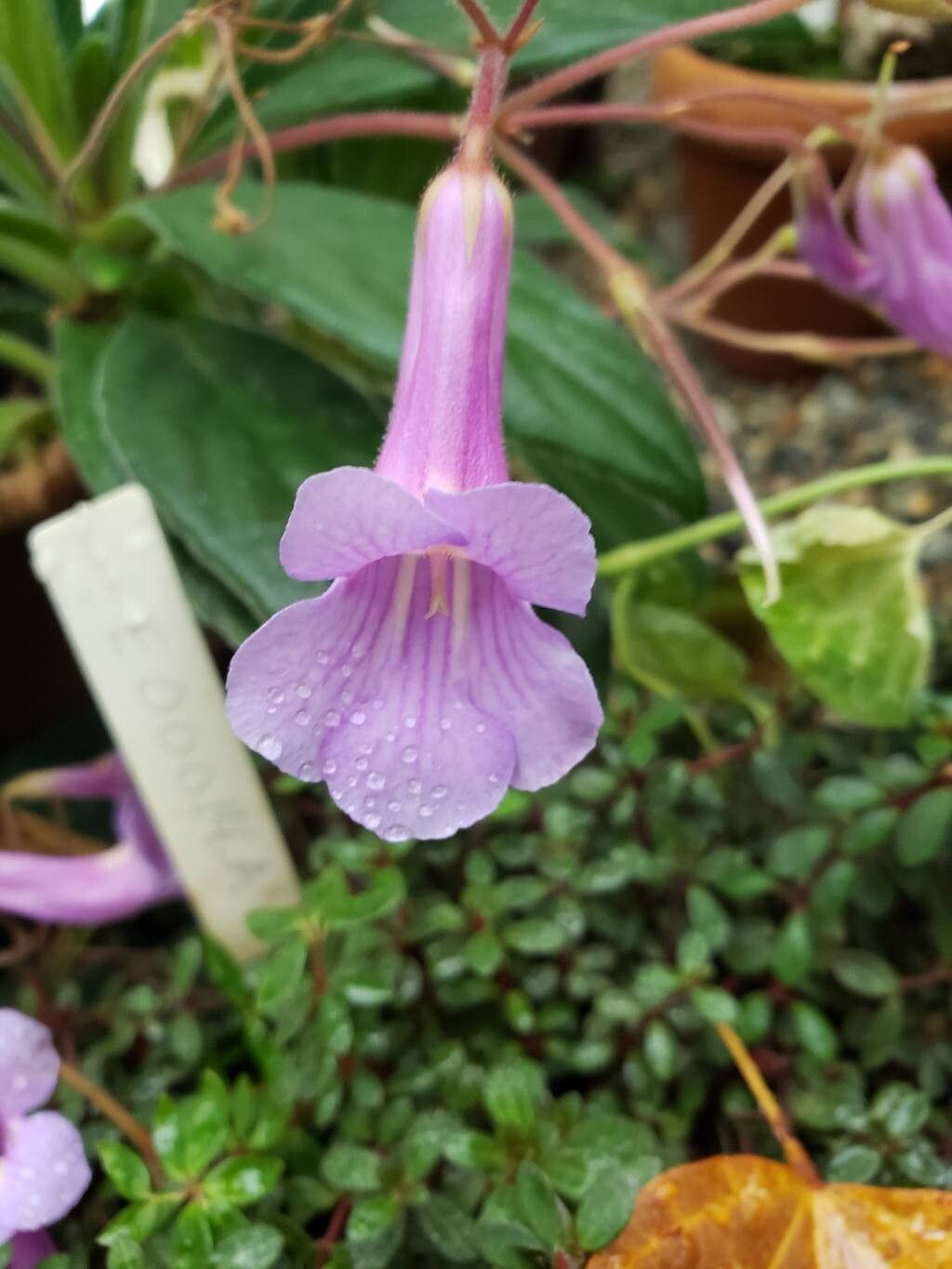
Hello, fellow plant enthusiasts! It’s wonderful to have you join me. Today, we’re delving into the delightful world of Primulina longgangensis. If you’ve ever seen this beauty, you’ll understand why it captures our attention. Its velvety leaves and delicate, often trumpet-shaped flowers are simply captivating. Propagating it not only lets you expand your collection but also offers the immense satisfaction of nurturing new life from an existing treasure. Now, I’ll be honest, Primulina longgangensis isn’t the absolute easiest plant for a complete beginner to propagate, but with a little care and attention, it’s certainly achievable and incredibly rewarding. Let’s get growing!
The Best Time to Start
Timing is everything in the garden, and with Primulina longgangensis, spring and early summer are your sweet spots. This is when the plant is actively growing, pushing out new energy that makes it more receptive to propagation. You’ll see vibrant new leaves unfurling and perhaps even flower stalks starting to emerge. This vigorous growth period means your cuttings or divisions will have the best chance of establishing themselves quickly.
Supplies You’ll Need
Gathering your supplies beforehand makes the whole process so much smoother. Here’s what I recommend having on hand:
- Well-draining potting mix: A good blend of peat moss or coco coir, perlite, and vermiculite works wonders. Some growers also like to add a bit of orchid bark for extra aeration.
- Sharp pruning shears or a clean knife: For making clean cuts that minimize damage.
- Rooting hormone (optional but helpful): A powder or liquid that can encourage faster root development.
- Small pots or propagation trays: Clean containers for your new plant babies.
- Clear plastic bags or a propagation dome: To create a humid microclimate.
- A spray bottle: For misting.
- Trowel or small spade: For divisions.
- Labeling tags: So you don’t forget what you’ve propagated!
Propagation Methods
Primulina longgangensis can be propagated through a couple of primary methods. I find division to be the most straightforward, especially for getting started.
Division
This is my go-to method for Primulina longgangensis. These beauties often produce offsets, or baby plants, around the base of the mother plant.
- Gently remove the mother plant from its pot. You might need to tap the sides of the pot to loosen it.
- Carefully brush away as much of the old soil as you can from the root ball. This makes it easier to see where the offsets are attached.
- Look for sections with their own roots. Using your fingers or a clean knife, gently separate the offset from the mother plant. Try to keep as many of the offset’s roots intact as possible.
- If the roots are tangled, don’t be afraid to trim a few of the longest ones with your clean shears to make them easier to manage.
- Plant each division in its own small pot filled with your well-draining potting mix. Plant them at the same depth they were previously growing.
- Water gently but thoroughly to settle the soil around the roots.
- Place the newly potted divisions in a bright spot with indirect light and maintain good humidity. You can achieve this by covering the pots with a clear plastic bag (loosely tied so air can circulate) or by using a propagation dome.
Leaf Cuttings
This method can be a little more patient, but it’s incredibly satisfying to see whole new plants emerge from a single leaf!
- Select a healthy, mature leaf from the mother plant. Use your sharp shears to cut the leaf as close to the base as possible.
- You can choose to insert the entire leaf or cut it into smaller sections. If you’re using the whole leaf, you can make a small incision along one of the main veins on the underside. If you’re using sections, ensure each piece has a bit of the leaf base where roots are likely to form.
- Dip the cut end or base of the leaf section into rooting hormone, if you’re using it, tapping off any excess.
- Gently press the cut end or base into your pre-moistened potting mix. For whole leaves with the vein incision, you can lay them gently on the soil surface, lightly pressing the cut veins into the soil.
- Water the soil lightly.
- Cover the pot with a clear plastic bag or propagation dome to create high humidity.
- Place in bright, indirect light.
The “Secret Sauce” (Pro Tips)
Here are a couple of things I’ve learned over the years that really make a difference:
- Don’t let the leaves touch the water when doing leaf cuttings. If you’re using a vase for water propagation (though less common and trickier with Primulinas), ensure only the stem is submerged, not the leaf itself. In soil, this translates to keeping the leaf surface dry when watering to prevent rot.
- Bottom heat is a game-changer. Placing your pots on a seedling heat mat can significantly speed up root development, especially if your home tends to be on the cooler side. It mimics the warmth of spring and encourages those roots to get going.
- Be patient with the leaves. When propagating from leaves, you might not see any activity for weeks, or even months. Don’t be tempted to dig them up too often! Resist the urge and trust the process. New plantlets can appear quite suddenly.
Aftercare & Troubleshooting
Once you see new roots appearing (you might gently tug on a cutting and feel resistance, or see roots peeking through drainage holes), it’s time for a little extra care.
- Gradually acclimate your new plants to ambient humidity. If they were in a plastic bag, start by opening the bag for a few hours each day before removing it entirely.
- Continue to provide bright, indirect light. Avoid direct sun, which can scorch delicate new leaves.
- Water when the top inch of soil feels dry. Don’t let them sit in soggy soil!
- Watch out for rot. This is the most common pitfall. Signs of rot include mushy, blackening stems or leaves. If you notice this, trim away the affected parts immediately with a clean blade and ensure the soil is not waterlogged. Good drainage is your best defense. Another sign of trouble can be wilting or yellowing of leaves without apparent cause. This might indicate issues with watering (too much or too little) or insufficient light.
A Encouraging Closing
Propagating Primulina longgangensis is a journey, and like any garden endeavor, it requires a bit of patience and observation. Don’t get discouraged if your first attempt isn’t a resounding success. Each plant is a little different, and learning to read their needs is part of the joy. Celebrate the small victories, enjoy the process of nurturing these delicate beauties, and soon you’ll have a whole squadron of Primulina to admire! Happy propagating!
Resource: