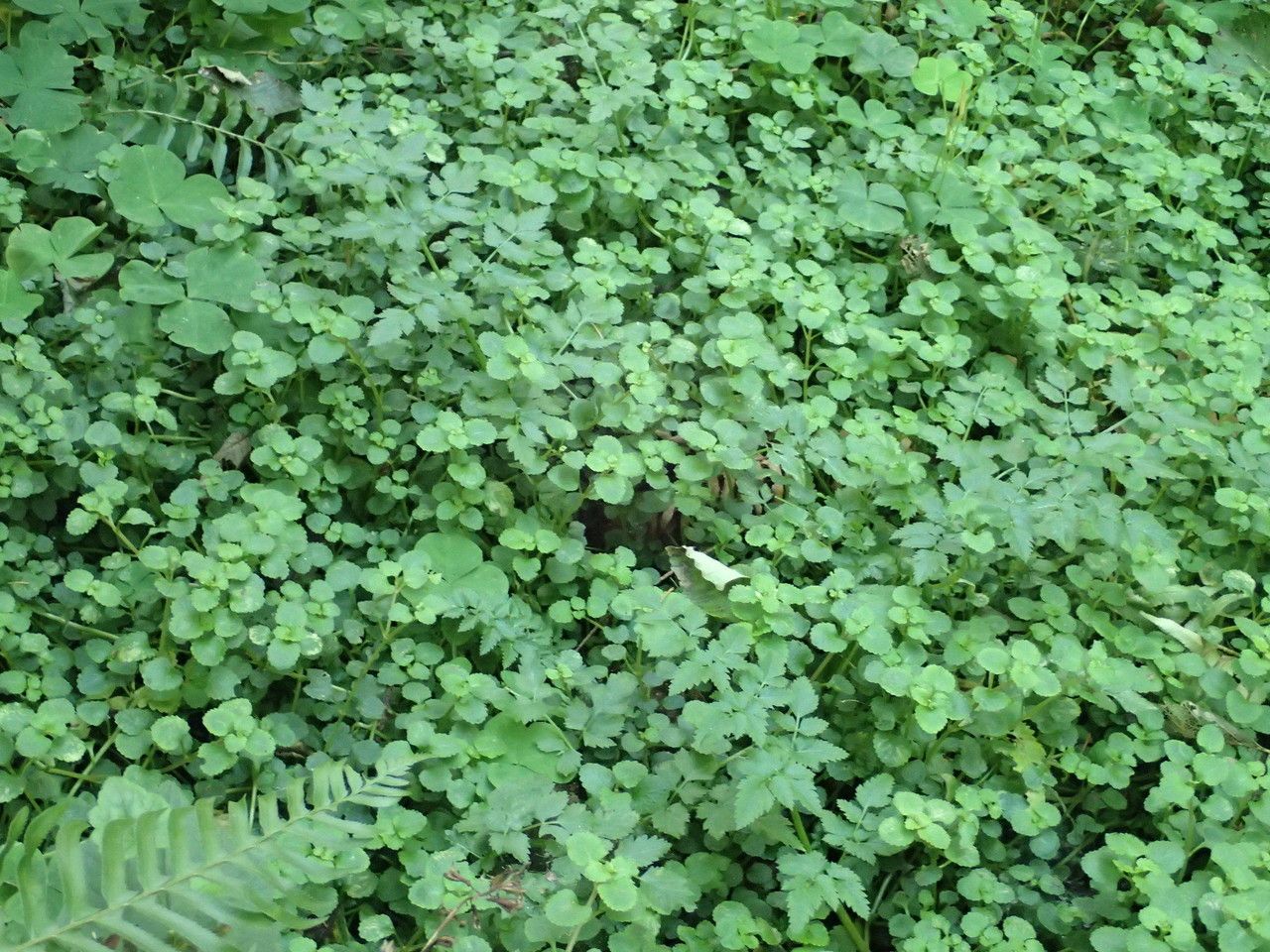
Hello there, fellow plant enthusiasts! I’m so thrilled you’re curious about Chrysosplenium glechomifolium, also known as our lovely California Golden Saxifrage. If you’ve ever seen this little groundcover sparkling in a shady spot, you’ve likely been captivated by its delicate, kidney-shaped leaves and the subtle charm it brings to any garden. It has this wonderful way of softening hard edges and filling in those nooks and crannies where other plants might struggle. And the best part? Propagating it is a truly rewarding experience, opening the door to more of this delightful green carpet without breaking the bank.
Now, I know some propagation can feel a bit daunting, but I’m happy to report that for Chrysosplenium glechomifolium, you’re in for a treat. It’s quite forgiving, making it a fantastic choice for beginners looking to dip their toes into the world of plant propagation. You’ll be amazed at how readily it takes root!
The Best Time to Start
My favorite time to get my hands dirty with Chrysosplenium glechomifolium propagation is when the plant is in its active growing phase. For most of us, that means late spring through early summer. The days are getting longer, the temperatures are a bit warmer but not yet scorching, and the plant has plenty of energy to put into producing new roots. You’ll see it looking lush and vigorous, which is exactly what you want before you start snipping!
Supplies You’ll Need
Before we get cutting, let’s gather our tools. Having everything ready makes the process so much smoother.
- Sharp Pruning Shears or a Clean Knife: For making clean cuts that heal well.
- A Well-Draining Potting Mix: I like a blend of seed starting mix and perlite (about a 50/50 ratio) for excellent aeration.
- Small Pots or Trays: Anything from tiny nursery pots to shallow seed trays will work. Make sure they have drainage holes!
- Rooting Hormone (Optional but helpful): A powdered or gel form can give cuttings a little boost, though Chrysosplenium often roots well without it.
- Watering Can or Mister: For gentle watering.
- A Ziploc Bag or Clear Plastic Dome: To create a humid environment for your cuttings.
Propagation Methods
Chrysosplenium glechomifolium is incredibly adaptable, and I find that stem cuttings are the most straightforward and successful method for this gem.
Stem Cuttings:
- Select Your Cuttings: Look for healthy, non-flowering stems. You want young, pliable growth. Aim for cuttings that are about 3-4 inches long.
- Make the Cut: Using your sharp shears or knife, make a clean cut just below a leaf node. A leaf node is that little bump on the stem where a leaf emerges – that’s where the magic happens for root formation!
- Prepare the Cuttings: Gently remove the lower leaves from the bottom 2 inches of the stem. This prevents them from rotting when they’re in the soil. Leave at least a couple of leaves at the top to help with photosynthesis.
- Apply Rooting Hormone (If using): Dip the cut end of the stem into your rooting hormone, tapping off any excess.
- Plant Your Cuttings: Fill your chosen pots or trays with your moistened potting mix. Make a small hole with your finger or a dibber, and insert the cut end of your stem into the soil. Gently firm the soil around it. I usually plant 3-4 cuttings per small pot for a bushier start.
- Water Gently: Give your newly planted cuttings a light watering. You want the soil to be moist but not waterlogged.
The “Secret Sauce” (Pro Tips)
Now for a few little tricks I’ve learned over the years that really help boost your success rates!
- Humidity is Key: These little guys love a moist environment to encourage root growth. After planting your cuttings, I like to place the entire pot inside a Ziploc bag, zipping it up with just a little opening for air circulation, or cover them with a clear plastic dome. This traps moisture and creates a mini-greenhouse. Make sure the leaves aren’t touching the sides of the bag, as this can lead to rot.
- Bottom Heat is Your Friend: While not strictly necessary, placing your pots on a gentle propagation mat or a warm windowsill can significantly speed up the rooting process. Chrysosplenium appreciates a bit of warmth from below.
- Don’t Be Impatient with the Watering: It’s easy to overwater when you’re anxious to see roots! Instead of watering on a schedule, check the soil moisture by feeling it. If the top inch feels dry, that’s when you water. The humidity created by the bag/dome will help keep the soil consistently moist.
Aftercare & Troubleshooting
Once your cuttings have started to root – you’ll usually see them looking a bit perkier and perhaps even pushing out new tiny leaves – it’s time to transition them.
- Gradual Acclimation: Slowly introduce your rooted cuttings to drier air by opening up the bag or removing the dome for longer periods each day over the course of a week.
- Continue Watering: Keep the soil consistently moist but not soggy. Allow the surface to dry out slightly between waterings.
- Light Requirements: Place your new plants in a spot with bright, indirect light. Direct sun can scorch their delicate leaves.
- Troubleshooting: The most common issue you might encounter is rot. This usually happens from overwatering or poor air circulation. If you see stems turning mushy or yellowing rapidly and falling off, it’s a sign of too much moisture. Remove any affected cuttings immediately and try to improve air circulation. Another sign of distress is wilting that doesn’t perk up after watering. This could indicate the cuttings didn’t root or have dried out too much.
A Encouraging Closing
Taking cuttings can feel like a little leap of faith, but with Chrysosplenium glechomifolium, you have a wonderfully forgiving plant on your side. Be patient, observe your cuttings gently, and trust the process. Every successful propagation is a small victory, and soon you’ll have even more of this beautiful golden saxifrage to share or to plant throughout your garden. Happy propagating, and enjoy the journey!
Resource:
https://identify.plantnet.org/k-world-flora/species/Chrysosplenium%20glechomifolium%20Nutt./data