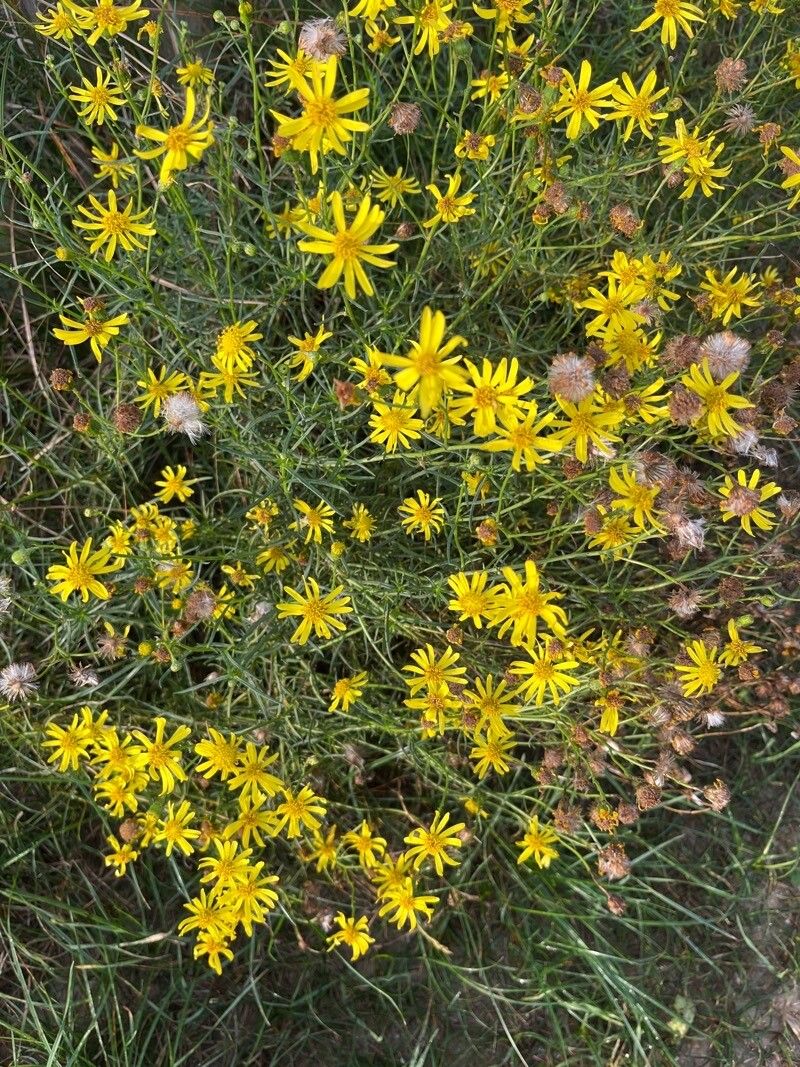
Oh, Senecio flaccidus! What a delightful plant to get to know. Those delicate, silvery-green leaves cascading over the edge of a pot or spilling out of a succulent arrangement are just pure magic, aren’t they? And the best part? It’s surprisingly easy to bring more of this beauty into your life. If you’re new to the gardening game, don’t be intimidated. Propagating Senecio flaccidus is a fantastic way to build your confidence and fill your home with more of these charming plants. I’ve been playing with cuttings and offsets for years, and I can tell you, there’s a real joy in watching something you’ve nurtured take root and flourish.
The Best Time to Start
For the absolute best results with Senecio flaccidus, I always recommend propagating during its active growing season. This is typically spring and summer. The plant is brimming with energy then, and cuttings will root much more readily. Trying to propagate in the dead of winter is just setting yourself up for disappointment. So, grab your pruners when the days are getting longer and the sun is shining a bit warmer.
Supplies You’ll Need
Here’s what you’ll want to gather before you get started:
- Sharp, clean pruning shears or a sharp knife: For making clean cuts.
- Rooting hormone (optional but helpful): Especially for cuttings, this can give them a good boost.
- Well-draining potting mix: A cactus and succulent mix is perfect. You can also make your own by combining potting soil, perlite, and coarse sand.
- Small pots or propagation trays: For your new plant babies.
- Perlite or coarse sand: To add to your soil for drainage.
- Spray bottle: For gentle watering.
- A sunny spot: For your cuttings to get good light.
Propagation Methods
Senecio flaccidus is super cooperative, and you have a couple of great ways to multiply your plants.
1. Stem Cuttings: This is my go-to method, and it’s incredibly effective.
- Choose a healthy stem: Look for a piece that’s at least 3-4 inches long. Avoid anything that looks leggy, diseased, or has faded coloration.
- Make a clean cut: Using your sharp shears or knife, cut just below a leaf node (where a leaf attaches to the stem). This is where the magic happens for rooting.
- Allow the cutting to cure: This is a crucial step! Let the cut end of the stem air dry for a day or two in a bright, indirect light spot. A callus will form over the cut end. This prevents rot.
- Apply rooting hormone (optional): Dip the callused end into your rooting hormone, tapping off any excess.
- Plant the cutting: Gently insert the callused end into your prepared well-draining potting mix. You can plant a few cuttings in the same pot, just give them a little space.
- Water lightly: After planting, give the soil a gentle misting with your spray bottle. You don’t want to waterlog it.
2. Water Propagation: This is a more visual method and can be fun to watch!
- Take stem cuttings: Follow the same steps as above for selecting and cutting your stems. You don’t necessarily need to let these cure as long, but a few hours of air drying won’t hurt.
- Remove lower leaves: Strip off the lowest leaves on the stem so they won’t rot in the water.
- Place in water: Pop the cuttings into a jar or glass filled with clean water. Make sure the leaf nodes that were removed are submerged.
- Keep in bright, indirect light: Find a spot that receives plenty of light but isn’t in direct, harsh sun.
- Change water regularly: Change the water every few days to keep it fresh and prevent bacterial growth.
- Wait for roots: You’ll start to see tiny roots emerge from the nodes within a few weeks. Once they are about an inch long, you can plant them into soil.
The “Secret Sauce” (Pro Tips)
Here are a couple of little tricks I’ve picked up over the years that really make a difference:
- Don’t let the leaves touch the water! For water propagation, this is super important. If the leaves are submerged, they’ll rot very quickly, and this can spread to the entire cutting. Just make sure the bare stem nodes are in the water.
- Bottom heat is your friend: If you’re having trouble with cuttings rooting, especially during cooler months, try placing your pots or trays on a seedling heat mat. This gentle warmth encourages root development. Keep the soil moist but not soggy.
Aftercare & Troubleshooting
Once you see roots forming (you might even be able to give a gentle tug to feel resistance on a cutting in soil), it’s time to treat it like a young established plant.
- Gradual acclimatization: If your cutting was in water, let the roots grow to about an inch long before planting. If it was in soil, continue to keep it in bright, indirect light.
- Watering: Water when the soil feels dry to the touch. Overwatering is the quickest way to kill a new cutting, leading to rot. It’s better to slightly underwater than to overwater.
- Signs of trouble: The most common enemy is rot. If your cutting turns mushy, black, or develops fuzzy mold, it’s likely rotting. This is usually due to too much moisture and poor drainage. If you catch it early on a stem cutting, you might be able to cut off the rotted part and let the rest try to callous again. Yellowing leaves on a stem cutting before it roots can also sometimes indicate it’s not taking, or it might need a little more light.
A Little Patience Goes a Long Way
So there you have it! Propagating Senecio flaccidus is a truly rewarding endeavor. Don’t get discouraged if your first attempt isn’t a roaring success. Gardening is all about learning and experimenting. Take your time, enjoy the process of nurturing these little bits of life, and soon you’ll have an abundance of these beautiful, trailing plants to enjoy in your home or share with friends. Happy propagating!
Resource:
https://identify.plantnet.org/k-world-flora/species/Senecio%20flaccidus%20Less./data