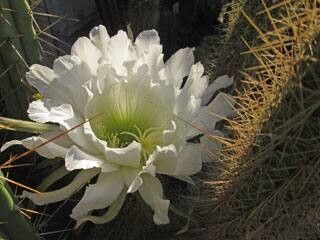
Hey there, fellow plant lovers! Let’s talk about one of my absolute favorites: Soehrensia camarguensis. Isn’t she a beauty? With her graceful, columnar form and those lovely little offsets that pop up, she brings such a touch of the desert elegance to any space. And the best part? She’s surprisingly generous when it comes to sharing her offspring. Propagating her is not only incredibly rewarding, but I’m happy to report, it’s also quite achievable, even for those of you who are just dipping your toes into the world of plant propagation. You’ll be multiplying your collection before you know it!
The Best Time to Start
The sweet spot for propagating Soehrensia camarguensis is definitely during its active growing season. Think of it like this: you want to give your new little darlings the best chance to thrive, and that happens when the plant is buzzing with energy. So, late spring through summer is your golden ticket. You can also have success with it a bit earlier in spring, as temperatures warm up.
Supplies You’ll Need
Gathering your supplies is half the fun, right? Here’s what you’ll want to have on hand:
- Sharp, clean pruning shears or a very sharp knife: Essential for making clean cuts that heal well.
- Rooting hormone powder or gel: This is your secret weapon for encouraging root development.
- Well-draining potting mix: A cactus and succulent mix is perfect. You can also make your own by mixing equal parts potting soil, coarse sand, and perlite.
- Small pots or a propagation tray: Something to house your new cuttings while they root. Make sure they have drainage holes!
- A small trowel or spoon: For scooping soil.
- Watering can or spray bottle: For gentle watering.
- Optional: A heat mat: If you like to give your cuttings an extra boost.
Propagation Methods
Soehrensia camarguensis is a pretty straightforward plant when it comes to making more of her. I find two methods work particularly well.
Stem Cuttings
This is my go-to for a reason. It’s efficient and I usually have a great success rate.
- Choose your stem: Look for a healthy, mature stem. It doesn’t need to be huge, but it should look robust.
- Make the cut: Using your sharp, sterilized shears or knife, make a clean cut where the stem meets the main body of the plant. Try to make it as clean as possible.
- Callousing time: This is crucial! You need to let the cut end dry out and form a callus. This prevents rot. Place the cutting in a dry, well-ventilated spot, out of direct sunlight, for at least a few days, and up to a week. The cut surface should look dry and slightly hardened.
- Apply rooting hormone: Once calloused, dip the cut end into your rooting hormone. Just a light coating is all you need.
- Planting: Fill your small pot with your well-draining mix. Make a small hole in the center with your finger or a pencil. Gently insert the calloused end of the cutting into the hole. Firm the soil gently around the base to hold it upright.
- Placement: Place the pot in a bright spot, but out of intense direct sun.
Offset Division
These lovely plants are also known for producing offsets (baby plants) at their base.
- Identify an offset: Look for a smaller plant growing from the base of the mother plant. It should have its own root structure starting.
- Gently separate: Carefully dig around the offset with your trowel or even your hands. Gently pull or cut the offset away from the mother plant, trying to keep as many of its roots intact as possible.
- Callousing (again!): Just like with stem cuttings, you want to allow the cut surface of the offset to callus over for a day or two.
- Planting: Pot the offset in its own small pot with your well-draining mix, just as you would a stem cutting.
- Placement: Bright, indirect light is ideal.
The “Secret Sauce” (Pro Tips)
Here are a few little tricks I’ve picked up over the years that really seem to help:
- Don’t rush the callousing: Seriously, this is the number one reason cuttings rot. Be patient! A dry callus is your best friend against fungal infections.
- Bottom heat is your friend (especially for cuttings): If you have a heat mat, place your pots on it. This gentle warmth encourages root development from below, mimicking the soil temperature during warmer months. It makes a noticeable difference!
- Water sparingly at first: Once planted, give your cutting or offset a very light watering. You want the soil to be slightly moist, not soggy. Overwatering at this stage is the quickest way to invite rot. You’ll water more as roots start to form.
Aftercare & Troubleshooting
Once you see new growth or feel a bit of resistance when you gently tug on your cutting (a sign of roots!), you’re on your way!
Continue to provide bright, indirect light and water only when the soil has dried out completely. Gradually introduce it to more direct sunlight as it matures.
The biggest issue you’ll run into is rot. If your cutting or offset starts to look mushy, discolored (often dark and slimy), or just seems to be shrinking, it’s likely rot. Sadly, if this happens, it’s usually too far gone. Prevention is key here, so remember that well-draining soil and letting the cuttings callus properly are your best defenses. Mealybugs can also be a nuisance, so keep an eye out for those white, cottony pests and treat them with a neem oil solution or rubbing alcohol on a cotton swab.
A Encouraging Closing
Propagation can feel like magic, can’t it? Watching a tiny piece of a plant transform into a whole new life is such a special feeling. Don’t get discouraged if a cutting or two doesn’t make it – that’s part of the learning process for all of us gardeners. Be patient with your new Soehrensia camarguensis babies, give them a little love and the right conditions, and soon you’ll have a whole family. Happy propagating!
Resource: