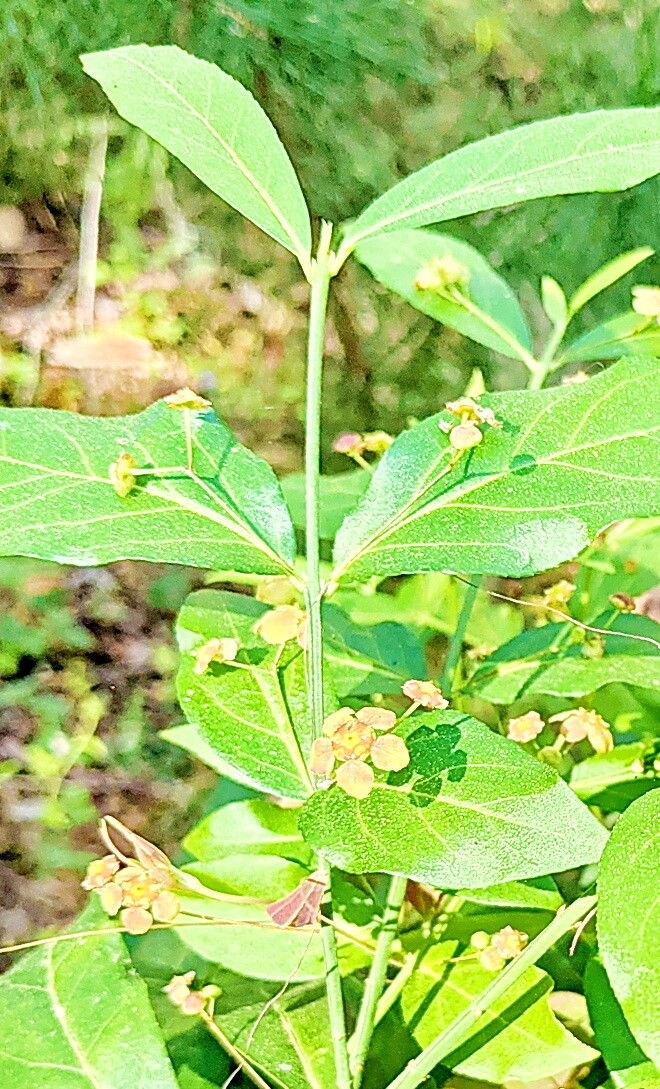
Ah, Euonymus americanus! You know, the one we affectionately call “hearts-a-bursting” or “American strawberry bush.” It’s such a delightful plant, isn’t it? I just love its unassuming charm. In the summer, it’s a lovely green shrub, and then come fall, oh my! Those bright pink fruits that split open to reveal fiery red seeds are just spectacular. It brings such a wonderful pop of color to wilder corners of the garden when many other things are winding down.
And you know what’s even more rewarding? Growing more of them yourself! Propagating plants like this, especially native ones, just feels good. It connects you to the rhythm of nature and saves you a trip to the nursery. For beginners, I’d say propagating Euonymus americanus is moderately easy. It might take a little patience, but with a few key steps, you’ll have success.
The Best Time to Start
Timing is everything, as they say, and for Euonymus americanus, that’s especially true. The best time to take stem cuttings is typically in the early summer, right after the plant has finished its main flush of growth. You’re looking for semi-hardwood cuttings. This means the stem is firm but still has a little flexibility – it’s not brand new and soft, nor is it old and woody. Think of it like a firm pencil, not a fresh twig. Late spring can also work if your plant is showing that ideal growth.
Supplies You’ll Need
Gathering your supplies beforehand makes the whole process smoother. Here’s what I usually have on hand:
- Sharp Pruning Shears or a Knife: Cleanliness is key here to prevent disease.
- Rooting Hormone: I prefer one with a fungicide mixed in. It gives your cuttings a fighting chance.
- Small Pots or Seed Starting Trays: Make sure they have drainage holes!
- Potting Mix: A good mix for cuttings is equal parts peat moss or coco coir and perlite or coarse sand. This provides aeration and drainage.
- Plastic Bags or Propagator: To create a humid microclimate for your cuttings.
- Watering Can with a Fine Rose: To water gently without disturbing your cuttings.
- Labels and a Marker: Trust me, you will forget what you planted where!
Propagation Methods: Stem Cuttings
Stem cuttings are my go-to for Euonymus americanus. It’s a reliable method that usually yields great results.
- Take Your Cuttings: On a cool, overcast morning is ideal. Select healthy, vigorous shoots from your parent plant. Using your sharp pruning shears, cut stems that are about 4-6 inches long. Make your cut just below a leaf node (where a leaf attaches to the stem).
- Prepare the Cuttings: Gently remove the lower leaves from your cuttings. You want to expose a few leaf nodes; these are where the roots will emerge. If the leaves are large, you can even cut them in half to reduce water loss. Dip the cut end of each cutting into your rooting hormone, tapping off any excess.
- Plant Your Cuttings: Fill your small pots or seed trays with your prepared potting mix. Make a small hole in the center of each pot with a pencil or your finger. Carefully insert the treated end of your cutting into the hole, pushing it down far enough so that the leaf nodes you bared are below the surface of the soil. Gently firm the soil around the base of the cutting to ensure good contact.
- Create Humidity: Water the soil thoroughly but gently. Then, cover each pot with a clear plastic bag, securing it around the pot with a rubber band or tape. You can also place multiple cuttings in a propagator with a lid. This creates a mini-greenhouse effect, keeping the humidity high.
- Provide Light and Warmth: Place your cuttings in a bright location out of direct sunlight. A windowsill with indirect light is usually perfect. If you have it, bottom heat from a heat mat can significantly speed up rooting, but it’s not strictly essential for this plant.
The “Secret Sauce” (Pro Tips)
Here are a couple of things I’ve learned over the years that make a real difference:
- The “Cleansing” Dip: Before dipping cuttings in rooting hormone, I sometimes give the cut end a quick dip in plain water. This helps the rooting hormone adhere better. It sounds small, but I think it helps create a more consistent coating.
- Air Circulation is Key (Even in Humidity): While you want that humid environment, don’t let the plastic bag seal completely airtight for weeks on end. I like to “vent” the bags for a few minutes each day, or whenever I water. This prevents fungal issues and allows for some air exchange, which the developing roots need. Think of it as a gentle, regular breath of fresh air for your cuttings.
Aftercare & Troubleshooting
Once your cuttings are planted, keep a close eye on them.
- Watering: The soil should remain consistently moist but never soggy. Check the moisture level by gently poking your finger into the soil. If the top inch feels dry, it’s time to water. Remember to mist the leaves lightly if the humidity seems to be dropping and the plastic bag is off.
- Rooting: You’ll know your cuttings are rooting when you see new leaf growth. This can take anywhere from 4 to 8 weeks, or sometimes longer. You can also give your cuttings a gentle tug to see if there’s resistance, indicating roots have formed.
- Troubleshooting: The most common issue is rot. If you see any wilting, browning, or blackening on the stem, it’s a sign of too much moisture and not enough air circulation. Remove any affected cuttings immediately to prevent it from spreading. Ensure your potting mix is draining well. If your plant seems completely lifeless, it might not have rooted, or it was just a bad cutting. Don’t get discouraged; it happens to the best of us!
A Encouraging Closing
Propagating Euonymus americanus is a lovely way to expand your garden and connect with this beautiful native plant. Be patient, observe your cuttings, and don’t be afraid to experiment. Each successful propagation is a little victory, a testament to the quiet power of nature and your own green thumb. Enjoy the journey, and happy gardening!
Resource:
https://identify.plantnet.org/k-world-flora/species/Euonymus%20americanus%20L./data