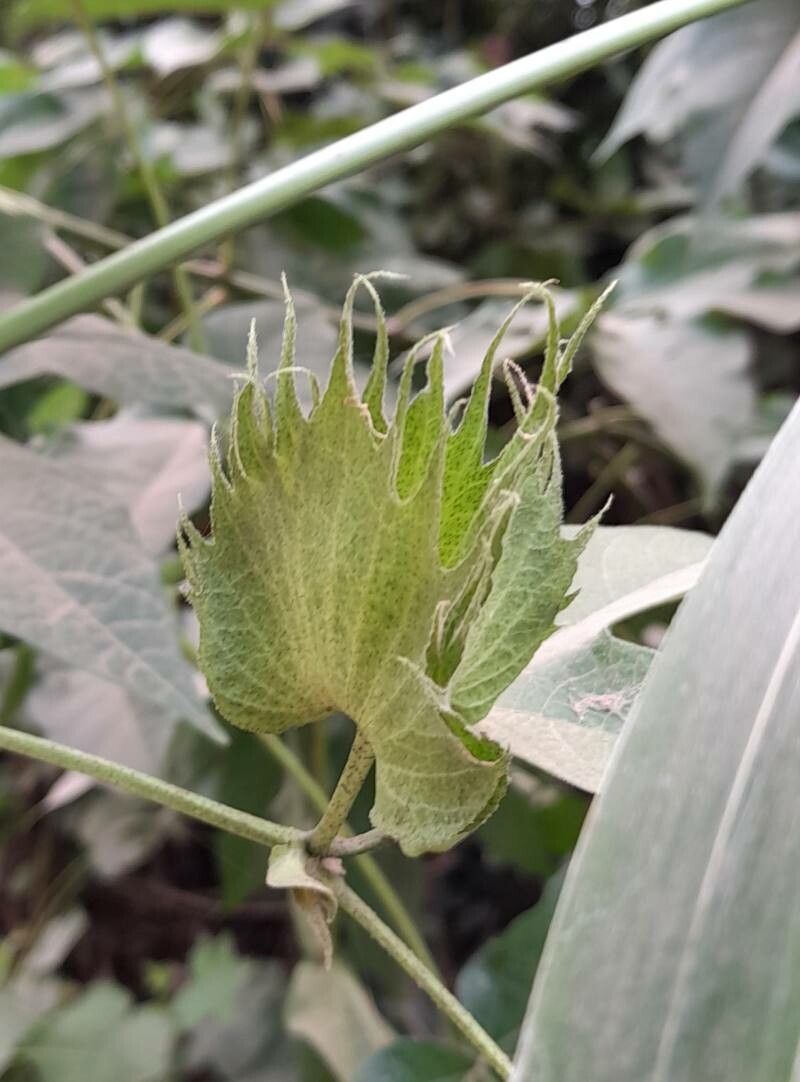
Oh, hello there! Pull up a chair. If you’re anything like me, you’ve fallen head over heels for the sheer beauty of Gossypium barbadense, or as many of us affectionately call it, Pima cotton. Those delicate, crepe-paper flowers, followed by those fluffy bolls – it’s just pure magic, isn’t it? And wanting to grow more of it? Well, that’s music to my ears!
Propagating Pima cotton from cuttings can be incredibly rewarding. Seeing a tiny snipping transform into a thriving plant is a joy you never quite get tired of. Now, I’ll be honest, it’s not the absolute easiest plant for a complete beginner to propagate, but with a little patience and these tips, you absolutely can succeed. Think of it as a delightful challenge!
The Best Time to Start
For the highest success rate, aim to take your cuttings in late spring or early summer. This is when the plant is actively growing and has plenty of energy to put into developing new roots. You want to harvest from healthy, vigorous stems that haven’t flowered or produced fruit. Think of a stem that’s firm and green, not woody or weak.
Supplies You’ll Need
Here’s what you’ll want to have on hand:
- Sharp Pruning Shears or a Craft Knife: Cleanliness is paramount!
- Rooting Hormone: A powder or gel form will work beautifully. Look for one specifically for softwood cuttings.
- Potting Mix: A blend that drains well is critical. I like a mix of equal parts perlite and coco coir, or a good quality seedling starter mix.
- Small Pots or Seed Trays: Clean ones, of course!
- Plastic Bags or a Propagation Dome: To create a humid environment.
- A Spray Bottle: For misting.
- A Warm Spot: A sunny windowsill or a place with bottom heat is ideal.
Propagation Methods: Taking Cuttings
The most reliable way to propagate Gossypium barbadense is by taking stem cuttings. It’s a straightforward process, and I find it yields the best results.
- Select Your Stems: Find healthy, non-woody stems on your Pima cotton plant that are about 4-6 inches long. Gently bend one – if it snaps relatively cleanly, it’s a good candidate.
- Make the Cut: Using your sterilized shears or knife, make a clean cut just below a leaf node (where a leaf attaches to the stem).
- Prepare the Cuttings: Carefully remove the lower leaves from the stem, leaving just the top 2-3 sets. You can also pinch off any tiny flower buds that might be forming. This redirects the plant’s energy towards root development.
- Apply Rooting Hormone: Dip the cut end of the stem into your rooting hormone, letting any excess fall off. This step is crucial for encouraging quick and healthy root growth.
- Plant the Cuttings: Fill your pots or trays with your well-draining potting mix. Make a small hole with your finger or a pencil, then insert the prepared cutting, ensuring the leaf nodes are below the soil surface. Gently firm the soil around the stem.
- Create Humidity: Water your cuttings gently until the soil is moist but not waterlogged. Then, cover the pots with a plastic bag or propagation dome to trap humidity. Prop the bag up so it doesn’t touch the leaves.
The “Secret Sauce”
Now for a couple of little tricks I’ve learned over the years:
- Bottom Heat is Your Best Friend: Pima cotton absolutely loves a bit of warmth from below. If you have a seedling mat or can place your pots on top of a gently warm appliance (like a router, but be careful!), it will dramatically speed up root formation.
- Don’t Let Those Leaves Drip Dry: While humidity is key, you don’t want water sitting on the leaves for too long, especially overnight. It can encourage fungal issues. I like to gently mist the leaves once a day in the morning and then make sure the humidity dome is well-ventilated for a bit in the afternoon if it looks super foggy. This balance is important.
- Patience is Truly a Virtue (and a Secret Weapon!): Sometimes, you might see no signs of life for weeks. Don’t despair! It can take anywhere from 3 to 8 weeks for Pima cotton cuttings to develop a decent root system. Resist the urge to constantly pull them up to check. Trust the process!
Aftercare & Troubleshooting
Once you see new leaf growth emerging from your cuttings, that’s a great sign that roots have formed! You can gently tug on the cutting – if there’s resistance, you’ve got roots.
Gradually acclimate your new plants to normal room conditions by removing the plastic bag or dome for a few hours each day, slowly increasing the time over a week or two. Continue to keep the soil consistently moist but not soggy.
The most common issue you’ll encounter is rot. If a cutting turns mushy and black, it’s usually a sign of too much moisture and not enough air circulation. If this happens, discard the affected cutting immediately and ensure your remaining ones have better drainage and are not overly wet. Sometimes, the entire cutting will just shrivel up and die; this is often due to a lack of rooting hormone, poor cutting selection, or insufficient humidity.
A Little Encouragement
Propagating a plant you love, like our gorgeous Pima cotton, is such a fulfilling experience. It allows you to share this beauty with friends, fill your garden, or simply indulge your passion for all things green. Be patient with your cuttings, observe them closely, and don’t be afraid to experiment. You’ll learn so much, and soon enough, you’ll have a whole little cotton patch to admire. Happy propagating!
Resource:
https://identify.plantnet.org/k-world-flora/species/Gossypium%20barbadense%20L./data