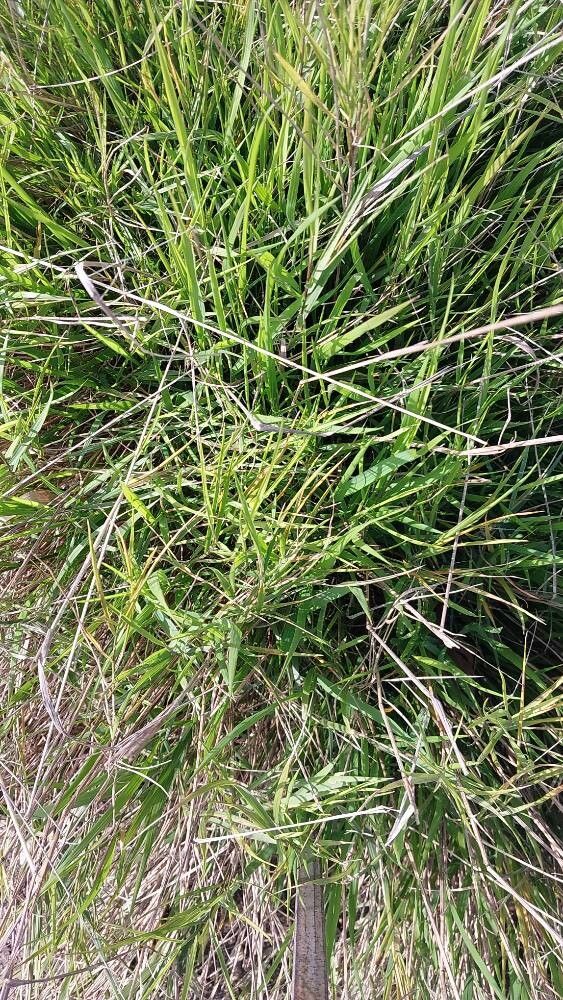
Oh, hello there! Pull up a chair. Today, we’re going to chat about a little gem that’s been gracing my garden for years: Melica minuta. This ornamental grass, often called the “minute melic grass,” is just delightful. Its delicate, arching sprays of foliage catch the light beautifully, adding a whisper of movement and texture to borders. And the best part? Propagating it is such a rewarding experience, a true testament to the cycle of life in our gardens. Don’t let the Latin name intimidate you; Melica minuta is surprisingly approachable, even for those of you just dipping your toes into the wonderful world of plant propagation.
The Best Time to Start
When it comes to giving your Melica minuta a new lease on life, spring is your golden ticket. Think of it as waking up the plant from its winter slumber. As the days lengthen and temperatures begin to warm up, the plant is bursting with vigor, and this energy translates beautifully into successful propagation. Aim for that sweet spot just as new growth is really taking off.
Supplies You’ll Need
Before we get our hands dirty, let’s gather our trusty tools:
- Sharp, clean pruning shears or a sharp knife: For making nice, clean cuts.
- Well-draining potting mix: I like a blend of equal parts peat moss, perlite, and a little bit of coarse sand. A good quality general-purpose potting mix will do in a pinch, but a bit of extra drainage is always a good thing with grasses.
- Small pots or propagation trays: Whatever works for you! Nursery pots are great.
- Rooting hormone (optional, but can give an extra boost): A powder or gel will work.
- Watering can or mister: For gentle hydration.
- Labels: So you don’t forget what you’ve planted!
- A warm, bright spot: Indirect light is key.
Propagation Methods
Melica minuta is most happily propagated through division. It’s the simplest and most reliable method for this lovely grass.
Division Step-by-Step:
- Dig it Up (Gently!): In early spring, carefully dig up your established Melica minuta plant. Try to get as much of the root ball as possible. If the plant is quite large, you might need assistance.
- Inspect and Separate: Gently shake off excess soil. You’ll see the plant is made up of clumps or tillers. Using your hands is often enough to tease these apart. If a clump is really stubborn, you can use your pruning shears or knife to carefully slice through the roots and rhizomes, making sure each section has some healthy roots and shoots.
- Replant Your Divisions: Pot up your new divisions into your prepared, well-draining soil. Make sure the crown of the plant (where the shoots emerge from the roots) is at soil level. Water them in thoroughly.
- Patience is Key: Keep the newly potted divisions in a bright spot with indirect light and water them regularly to keep the soil consistently moist, but not soggy. You should see new growth emerge within a few weeks.
The “Secret Sauce” (Pro Tips)
Here are a few little tricks I’ve learned over the years that make a difference:
- When dividing, don’t be afraid to trim back any overly long or damaged roots. This encourages new root growth and helps the plant focus its energy on establishing itself.
- Bottom heat can be a game-changer. If you’re propagating in a cooler environment, placing your pots on a heat mat designed for seedlings can significantly speed up root development. You’ll often find it gives your little ones a real head start.
- For divisions that seem a bit weak, I’ll often mist the foliage daily for the first week or two. This helps to prevent dehydration until the new roots are fully functional.
Aftercare & Troubleshooting
Once you start seeing new shoots emerging and the plant feels anchored in its pot, your Melica minuta is on its way! Continue to water consistently, ensuring the soil doesn’t completely dry out but also avoiding waterlogged conditions, which can lead to root rot. Give them bright, indirect light.
Now, if things aren’t going as planned, don’t despair! The most common issue is rot, which usually stems from overwatering or poor drainage. If you notice your plant looking soggy, yellowing, or developing a mushy base, it’s a sign of trouble. You can try letting the soil dry out a bit more and ensuring good airflow. Sometimes, if it’s caught early, you can salvage a section of the plant.
A Encouraging Closing
See? Not so scary after all! Propagating Melica minuta through division is a wonderfully accessible way to expand your garden or share the beauty of this grass with friends. Be patient with your new plants – they’re establishing themselves, and that takes time. Enjoy the process, the satisfaction of nurturing something new, and the ever-growing beauty in your own green space. Happy gardening!
Resource:
https://identify.plantnet.org/k-world-flora/species/Melica%20minuta%20L./data