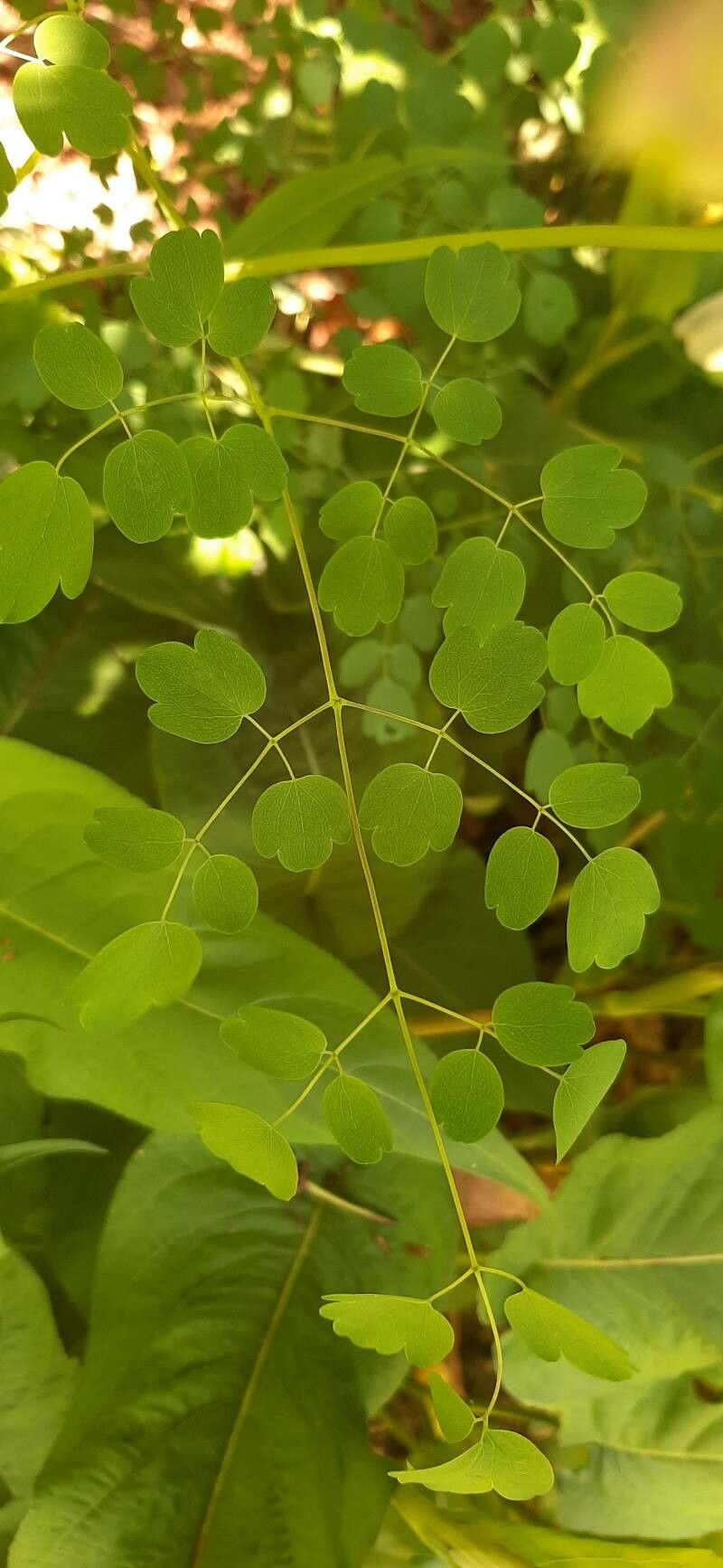
Hello there, fellow plant enthusiasts! Today, we’re diving into the wonderful world of Thalictrum kiusianum, often called Japanese Meadow Rue. I’ve been growing these beauties for two decades, and let me tell you, their delicate, airy flowers and lovely foliage are a true garden delight. They bring a wonderfully soft, almost ethereal quality to any border.
Propagating Thalictrum kiusianum is a fantastic way to fill your garden with more of these charmers, or to share them with friends. Honestly, for a beginner, it’s a moderately easy plant to get started with. A little patience goes a long way, and the satisfaction of seeing a new plant thrive from a bit of your own effort is just wonderful.
The Best Time to Start
For the highest success rates, I’ve found that early spring is your golden window. This is when the plant is just waking up from its winter slumber and has plenty of energy for new growth. You can also have good luck with late summer cuttings, just as the vigorous growth of summer starts to slow down a bit.
Supplies You’ll Need
Gathering your supplies beforehand makes the whole process much smoother. Here’s what I always have on hand:
- Sharp pruning shears or a clean knife: For making clean cuts.
- Rooting hormone (optional but helpful): A powder or gel to encourage root development.
- A well-draining potting mix: I like a blend of peat moss, perlite, and a bit of compost.
- Small pots or trays: With drainage holes, of course!
- Plastic bags or a propagator: To create a humid environment.
- Watering can with a fine rose: For gentle watering.
Propagation Methods
While Thalictrum kiusianum can be grown from seed, I find division to be the most reliable and straightforward method for home gardeners. Let’s get our hands dirty!
Division: The tried-and-true method
This is best done in early spring as the plant starts to send up new shoots, or in early fall after the flowering season has ended.
- Gently excavate: Carefully dig around the base of your established Thalictrum, trying to disturb the roots as little as possible. You want to lift the entire clump out of the ground.
- Clean the roots: Gently brush away excess soil from the root ball. This will help you see where the natural divisions are.
- Divide the clump: Look for natural breaks in the root system. You can often pull sections apart with your hands. If a clump is particularly dense, use a clean knife or trowel to make the cut. Aim for divisions that have at least two to three healthy shoots and a decent amount of root.
- Replant immediately: Pot up your new divisions in your well-draining potting mix. Make sure they are planted at the same depth they were previously growing.
- Water well: Give them a good, thorough watering to settle the soil around the roots.
The “Secret Sauce” (Pro Tips)
Over the years, I’ve learned a few tricks that can really boost your propagation success:
- Don’t rush the water: When you’re watering your newly potted divisions, make sure the water drains away freely. Soggy soil is the quickest way to invite rot, and nobody wants that!
- Give them a cozy home: After potting, place your divisions in a shady, protected spot. They don’t need direct sunlight while they’re establishing. A little dappled shade is perfect.
- Patience is a virtue (especially with Thalictrum): Don’t be tempted to tug on your new plants to check for roots too soon. Give them at least 3-4 weeks to settle in before you even think about testing their roots.
Aftercare & Troubleshooting
Once your divisions are happily planted, keep the soil consistently moist, but not waterlogged. As they start to show new leaf growth, you know they’re settling in. You can gradually introduce them to more sunlight over a week or two.
The main issue you might encounter is rot. If you see your cuttings wilting, turning mushy, or developing dark spots, it’s usually a sign of too much moisture or poor drainage. If this happens, carefully lift the plant, trim away any rotted sections with clean shears, and replant in fresh, drier soil. It’s a tough lesson, but it happens to all of us gardeners!
Embracing the Green Journey
Propagating Thalictrum kiusianum is a deeply rewarding experience. It’s about connecting with nature, understanding the life cycle of a plant, and creating more beauty for your garden. Be patient with yourself and your new plants. Enjoy the process, and before you know it, you’ll have a whole patch of these lovely Japanese Meadow Rue to admire! Happy gardening!
Resource:
https://identify.plantnet.org/k-world-flora/species/Thalictrum%20kiusianum%20Nakai/data