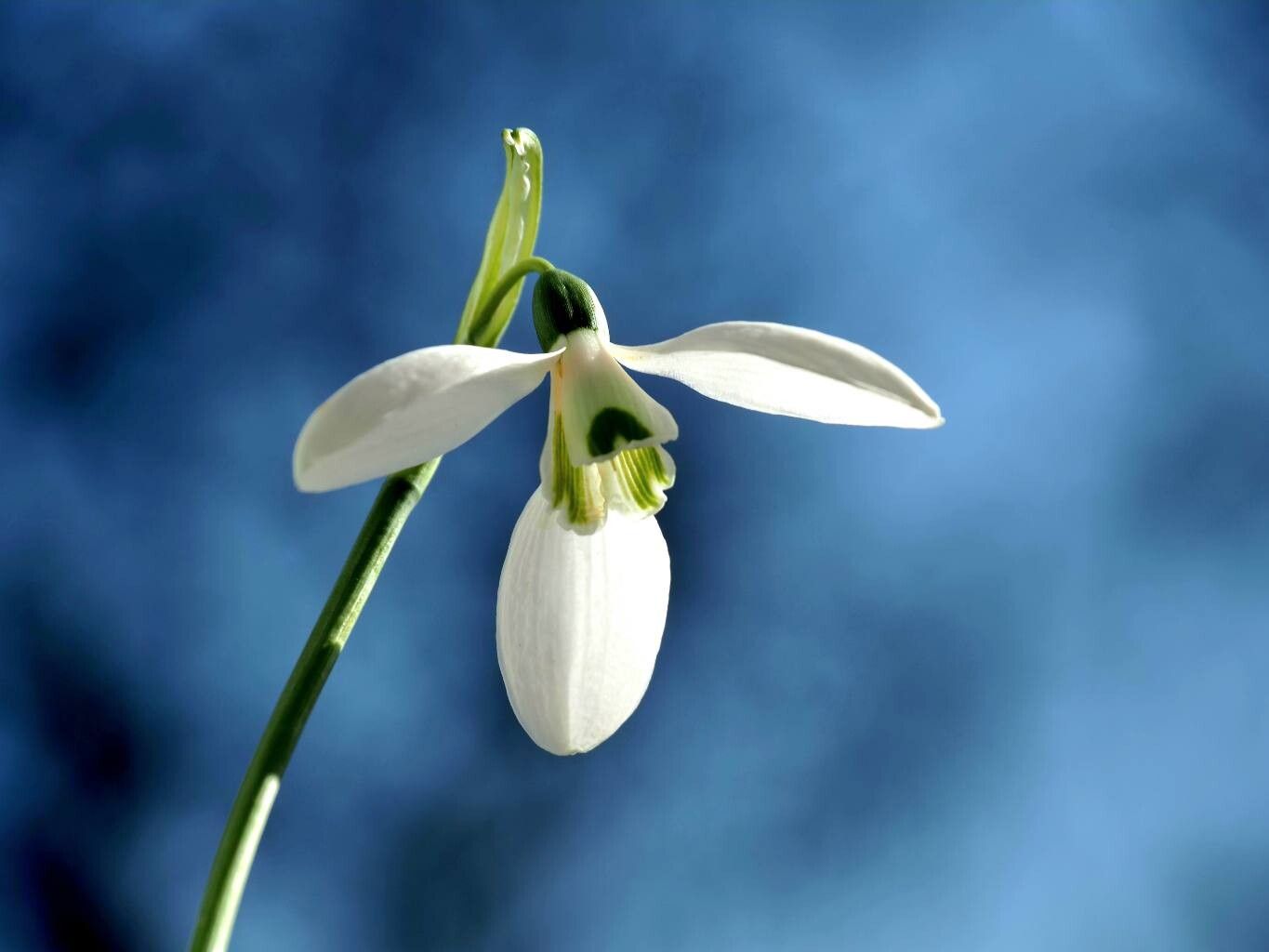
Oh, Galanthus elwesii! If you’ve ever spotted those gorgeous, nodding heads of white pushing through the late winter soil, you know the magic. These “greater snowdrops” are such a welcome sight, a promise of spring when the garden is still sleepy. And the best part? You can actually have more of them!
Propagating Galanthus elwesii can feel a little intimidating at first, but trust me, it’s a deeply rewarding practice. It means you get to share these beauties, fill in bare patches in your own garden, and witness the miracle of new growth firsthand. While they’re not as hands-off as some houseplants, with a little patience and the right approach, even beginners can find success.
The Best Time to Start
For snowdrops, the absolute prime time for propagation is when they are dormant, which means right after they have finished flowering and their leaves are starting to yellow and die back. This usually happens in late spring or early summer. Think of it as giving them a little nudge while they’re taking a nap. Trying to do it when they’re in full bloom or actively growing can really stress the plant, and you’ll likely get less bang for your buck.
Supplies You’ll Need
Gathering your tools before you begin makes the whole process smoother. Here’s what you’ll want to have on hand:
- Sharp trowel or spade: For carefully lifting and dividing the plant.
- Small, sharp pruning shears or even a clean knife: For any necessary trimming.
- Well-draining potting mix: A mix formulated for bulbs or a good quality all-purpose mix amended with perlite or coarse sand works wonders.
- Rooting hormone (optional, but can help): Especially useful if you’re trying cuttings, though often not strictly necessary for divisions.
- Small pots or trays: For replanting your new divisions or cuttings.
- Watering can with a fine rose: For gentle watering.
- Labels and a marker: So you don’t forget what you planted where!
Propagation Methods
There are a couple of reliable ways to increase your Galanthus elwesii population.
Division: The Most Common and Successful Method
This is how most gardeners expand their snowdrop collections, and it’s the easiest for beginners.
- Wait for Dormancy: As mentioned, wait until the foliage has started to fade. This is crucial.
- Carefully Unearth: Gently dig around the clump of snowdrops with your trowel. You want to lift the entire root ball without damaging the bulbs too much.
- Gently Separate: Once out of the ground, you’ll see that the main bulb often has offsets or smaller bulbs attached. Gently tease these apart. You can use your fingers for this – they should naturally separate if you’re careful. If some are really stuck, use your clean knife or shears to make a precise cut. Aim to have at least one good bulb with some healthy-looking roots for each new plant.
- Replant Immediately: This is key! Don’t let the separated bulbs dry out for too long. Plant them at the same depth they were previously growing, about 2-3 inches deep.
- Water Gently: Give them a good watering to settle the soil.
Stem Cuttings (for the Adventurous!)
This method is a bit more advanced and has a lower success rate than division, but it can be done.
- Gather Cuttings: Take cuttings from the stems just as the flower fades but before the leaves start to die back entirely. You want a bit of stem attached to the flower base, and at least one leaf. Aim for cuttings about 2-3 inches long.
- Prepare the Cuttings: Wipe off any soil from the base and use your sharp shears to make a clean cut just below a leaf node. You can optionally dip the cut end in rooting hormone.
- Pot Them Up: Fill small pots or trays with your well-draining mix. Make a hole with a pencil or dibber and gently insert the cutting, ensuring the leaf isn’t buried. Press the soil gently around the stem.
- Create a Humid Environment: Water them in thoroughly and then cover the pots with a clear plastic bag or place them in a propagator. This keeps the humidity high, which cuttings love.
- Provide Light and Warmth: Place them in a bright spot out of direct sun. A little bottom heat can encourage rooting, but it’s not absolutely essential.
The “Secret Sauce” (Pro Tips)
Here are a few things I’ve learned over the years that make a big difference:
- “Mother Nature’s Sleep” is Non-Negotiable. I can’t stress this enough: divide or propagate when the foliage is clearly dying back. Trying to separate bulbs from a plant with green, vigorous leaves is like asking someone to run a marathon right after they wake up. It’s just too stressful.
- Keep Them Hydrated, But Not Soggy. After replanting divisions, keep the soil consistently moist but never waterlogged. Overwatering is the classic killer of bulbs. Think of it as a thirsty puppy – they need regular drinks, but you don’t want to drown them!
- Patience is Your Best Fertilizer. For cuttings, don’t be tempted to pull them out to check for roots too soon. They can take weeks, even months, to establish. Let them do their thing in their cozy, humid environment.
Aftercare & Troubleshooting
Once your new divisions or cuttings are planted, give them a little TLC.
- Watering: Keep the soil evenly moist throughout the first growing season, especially if you’ve just divided them. For cuttings, maintaining that humidity is key until roots form.
- Location: Plant them in a spot where they’ll get good drainage. They dislike sitting in soggy soil. Partial shade is generally ideal for snowdrops, mimicking their woodland home.
- Patience (Again!): Don’t expect a massive bloom from tiny new divisions in their first year. They need time to settle in and grow their strength.
The most common sign of failure? Rot. If a bulb turns mushy and smells off, it’s usually gone. This is almost always due to overwatering or poor drainage. With cuttings, if they turn black and limp, or simply refuse to root after a long time, it’s a sign they haven’t managed to establish. Don’t be discouraged by a few losses – it happens to all of us!
A Encouraging Closing
Propagating Galanthus elwesii is a journey, not a race. It’s a chance to connect with your garden on a deeper level, to understand the plant’s life cycle, and to be rewarded with more of those delicate, wonderful snowdrops. So grab your trowel, find those sleepy bulbs, and enjoy the process. Happy gardening!
Resource:
https://identify.plantnet.org/k-world-flora/species/Galanthus%20elwesii%20Hook.f./data