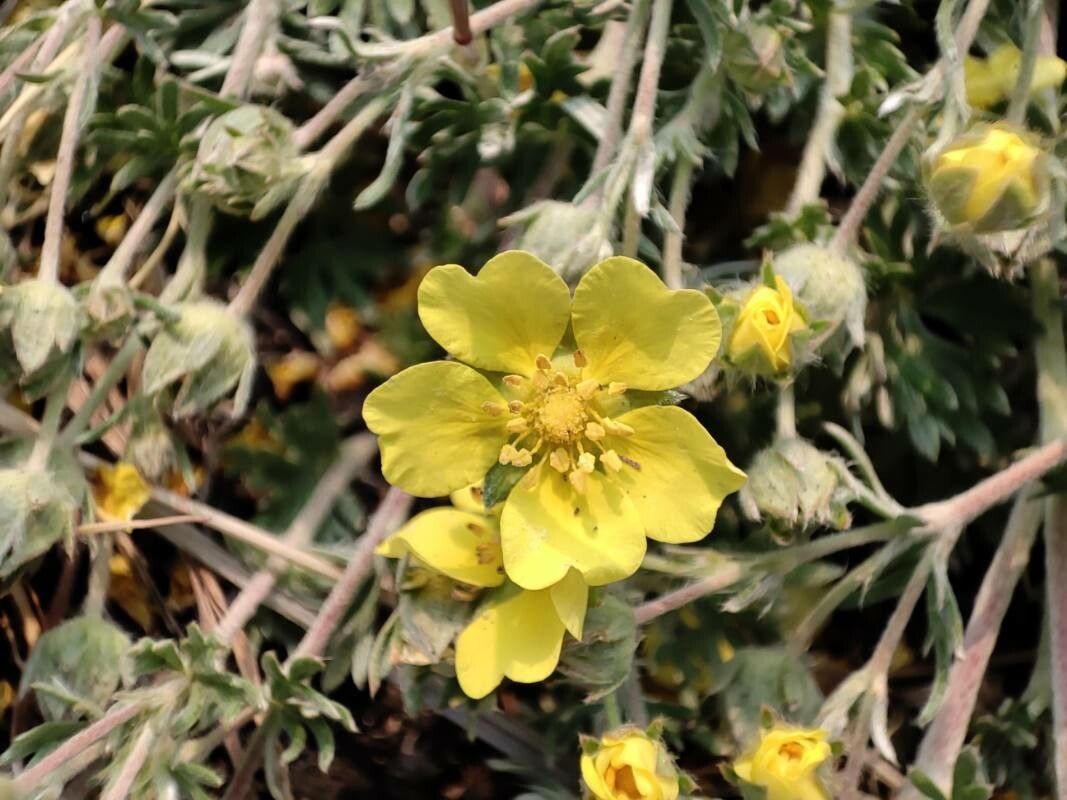
Hey there, fellow garden enthusiasts! If you, like me, have fallen for the cheerful charm of Potentilla calabra, you’re in for a real treat. Those delicate, bright yellow flowers are like little rays of sunshine, aren’t they? And the best part? They’re surprisingly fuss-free, making them a wonderful candidate for a spot in your garden. For those of you just dipping your toes into the wonderful world of propagation, I’m happy to report that Potentilla calabra is generally quite agreeable and a fantastic starter plant for this rewarding endeavor. Growing new plants from your existing beauties is always a special kind of magic.
The Best Time to Start
For the highest success rate with Potentilla calabra, I always recommend starting in late spring to early summer. This is when the plant is actively growing and full of vigor. You’ll want to look for stems that are semi-hardwood – not brand new, floppy growth, but also not old, woody stems from last year. They should be firm enough to snap cleanly when bent.
Supplies You’ll Need
Gathering your tools beforehand makes the whole process smoother. Here’s what I usually have on hand:
- Sharp pruning shears or a clean knife: For making precise cuts.
- Rooting hormone (optional but helpful): I like a powder form for easy application.
- Potting mix: A light, well-draining mix is crucial. I usually use a blend of equal parts peat moss or coco coir and perlite or coarse sand.
- Small pots or trays: Clean pots about 3-4 inches in diameter work well.
- Plastic bags or a clear plastic dome: To create a humid environment.
- Watering can or spray bottle: For gentle watering.
Propagation Methods
Potentilla calabra is a gem because it’s quite adaptable. The easiest and most reliable method for me is stem cuttings.
Stem Cuttings (Semi-hardwood cuttings):
- Take the cuttings: Select healthy, non-flowering stems. Make your cuts just below a leaf node (where a leaf attaches to the stem). Aim for cuttings that are about 4-6 inches long.
- Prepare the cuttings: Gently remove the leaves from the bottom half of the cutting. You can leave one or two leaves at the very top. If your leaves are large, you can even cut them in half horizontally to reduce water loss.
- Apply rooting hormone: Dip the cut end of each stem into your rooting hormone, tapping off any excess.
- Pot them up: Fill your clean pots with your prepared potting mix. Make a small hole in the center of the soil with your finger or a pencil, then insert the cutting so the bottom leaves are just above the soil line. Firm the soil gently around the stem.
- Water them in: Water thoroughly but gently until water runs from the drainage holes.
- Create a humid environment: This is key! You can place the pots inside a clear plastic bag, making sure the leaves don’t touch the sides or the plastic itself, or cover them with a clear plastic dome. This traps moisture and helps prevent the cuttings from drying out.
The “Secret Sauce” (Pro Tips)
After years of pottering about, I’ve picked up a few tricks that seem to make all the difference for my Potentilla calabra cuttings:
- Use bottom heat: If you have a seedling heat mat, popping your pots on top of it can really speed up root development. It’s like giving your cuttings a cozy, warm foot bath, encouraging them to get going.
- Don’t be afraid of a slight trim: If a cutting looks a bit leggy, don’t hesitate to take off a bit of length. Sometimes, reducing the overall size can encourage more focused energy into root production. Just make sure to leave those crucial leaf nodes.
- Patience is truly a virtue here: Don’t be tempted to pull up your cuttings to check for roots too early! You’ll know they’re established when you see new leaf growth and they feel firmly rooted when you give them a gentle tug. This can take anywhere from 4-8 weeks, sometimes longer.
Aftercare & Troubleshooting
Once you see signs of new growth – hooray! – it’s time for a bit of adjustment. Gradually introduce your new plants to less humid conditions by opening the plastic bag or dome a little each day over a week. Keep the soil consistently moist but not waterlogged.
The most common issue you might encounter is rot. If a cutting turns black and mushy, it’s usually a sign of too much moisture and not enough air circulation. Ensure your soil drains well and avoid overwatering. If you see signs of wilting without rot, it could mean the cutting is drying out too quickly, so ensure your humidity is adequate.
A Encouraging Closing
There you have it – propagating Potentilla calabra is wonderfully achievable! Don’t get discouraged if your first few attempts aren’t perfect. Gardening is all about learning and experimenting. Just think of those cheerful yellow blooms you’ll soon be enjoying, not just in your garden, but in new pots for friends or to fill a new sunny corner. Enjoy the journey, and happy tending!
Resource:
https://identify.plantnet.org/k-world-flora/species/Potentilla%20calabra%20Ten./data