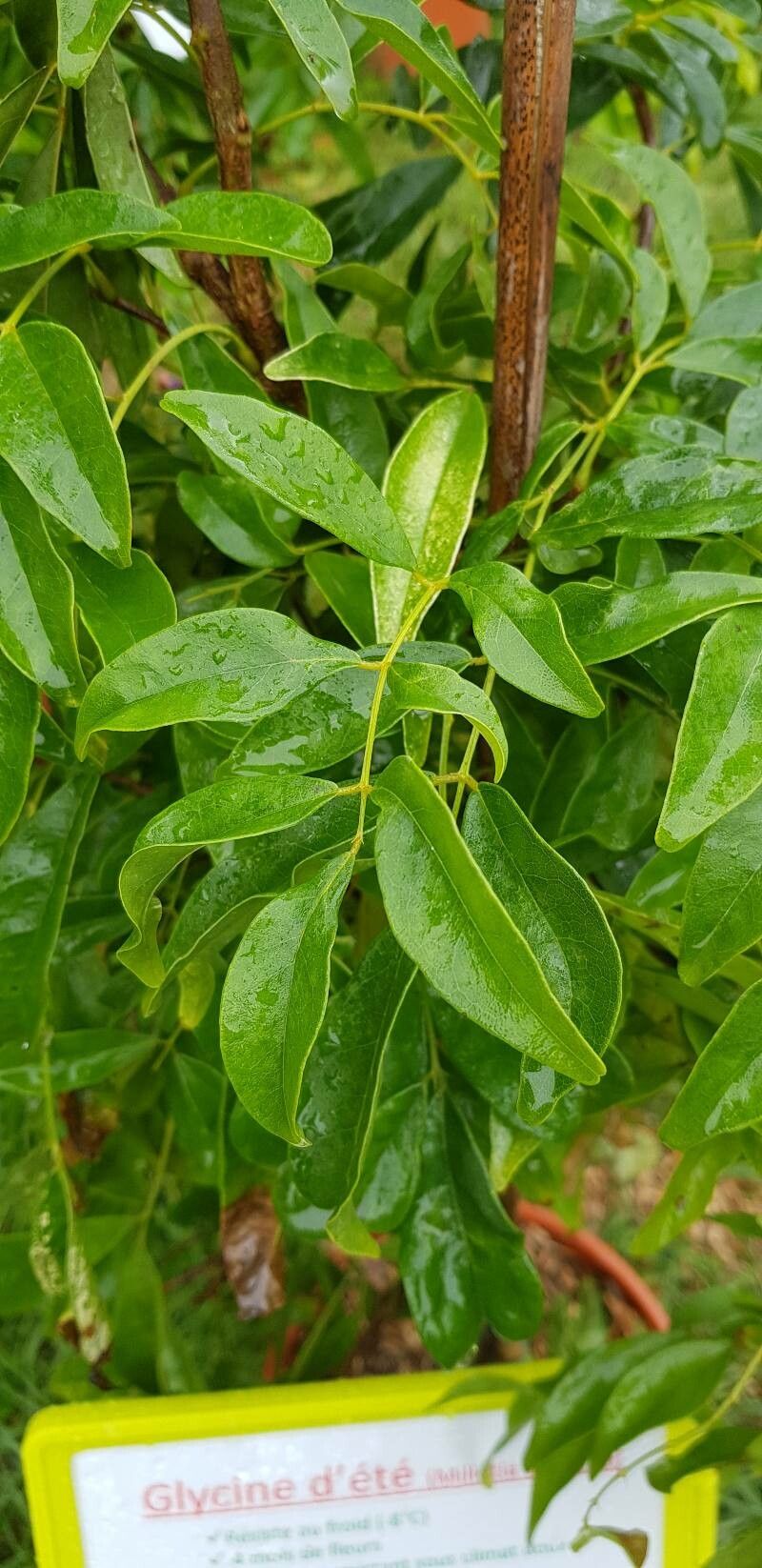
Oh, hello there! I’ve got a real treat for you today. We’re going to talk about Wisteriopsis japonica, that delightful vine with its cascading blooms that just scream “elegance.” If you’ve ever admired one of these beauties and wished you could have more, you’re in for a treat. Propagating them is incredibly rewarding, and while they can be a tad finicky, with a little know-how, you can absolutely do it. Let’s get our hands dirty, shall we?
The Best Time to Start
For Wisteriopsis japonica, the early summer is your golden window. You want to be taking cuttings when the plant is actively growing but before it gets too hot and the new shoots have started to firm up a bit. Think about that tender new growth that’s still a little bendy – that’s your target.
Supplies You’ll Need
Here’s what you’ll want to gather before we begin:
- A clean, sharp pruning shear or craft knife. Sharpness is key to a clean cut, which helps prevent disease.
- Rooting hormone. This isn’t strictly essential for every plant, but for wisteriopsis, it really gives you a leg up.
- Small pots or seedling trays. Make sure they have drainage holes!
- A good seed starting mix or a blend of peat moss and perlite (a 50/50 mix works beautifully).
- A clear plastic bag or a plastic propagation dome.
- A spray bottle filled with water.
- Optional but very helpful: a heat mat.
Propagation Methods
We’ll focus on the most reliable way to get new wisteriopsis plants: stem cuttings.
- Gather Your Cuttings: On a cool morning, select healthy, non-flowering shoots. Look for stems that are about pencil-thick and have a few leaf nodes (where the leaves attach to the stem). You want cuttings that are about 4-6 inches long.
- Prepare the Cuttings: Using your clean pruning shear, make a cut just below a leaf node. This is where roots are most likely to form. Then, carefully remove the leaves from the bottom half of the cutting. If the remaining leaves are large, you can cut them in half horizontally. This reduces water loss.
- Apply Rooting Hormone: Dip the cut end of each stem into your rooting hormone. You don’t need to go crazy, just a light coating. Tap off any excess.
- Plant Your Cuttings: Fill your small pots with your moist seed-starting mix. Make a hole in the center with your finger or a pencil, and gently insert the cutting, ensuring the bottom leaf nodes are buried in the soil. Firm the soil gently around the stem.
- Create a Humid Environment: Water the soil lightly until it’s evenly moist. Then, cover the pots with a clear plastic bag or a propagation dome. This traps moisture and creates that crucial humid environment. If you’re using a plastic bag, you can secure it with a rubber band or tape.
The “Secret Sauce” (Pro Tips!)
Now, let’s get into a few things I’ve learned over the years that really make a difference:
First, don’t let the leaves touch the water if you opt for water propagation. While some plants root readily in water, wisteriopsis can be prone to rot if the foliage sits in standing water. Stick to soil unless you’re feeling adventurous with specialized water propagation techniques.
Second, and this is a biggie, bottom heat is your best friend. Pop your pots onto a heat mat set to a gentle warmth (around 70-75°F or 21-24°C). This encourages root development from below, significantly boosting your success rate, especially if the ambient temperature isn’t super warm.
And lastly, don’t be afraid to experiment with different types of cuttings. While softwood cuttings from early summer are usually best, I’ve had success with slightly more mature wood later in the season if I’m really careful about keeping things moist.
Aftercare & Troubleshooting
Once your cuttings are planted, place them in a bright spot that receives indirect sunlight. Direct sun will scorch those tender leaves. Keep the soil consistently moist, but not waterlogged. It’s a balancing act!
You’ll know your cuttings have rooted when you see new leaf growth and they feel firm when you give them a gentle tug. This can take anywhere from 4 weeks to a couple of months, so patience is key.
The most common thing to watch out for is rot. If your cuttings start to look mushy, turn brown, or develop dark spots, it’s usually a sign of too much moisture or poor air circulation. If you see this, pull out the affected cutting immediately, ensure your soil isn’t waterlogged, and try to improve air flow by lifting the plastic cover for a short period each day.
A Little Encouragement
Propagating Wisteriopsis japonica is a journey, and like all good gardening endeavors, it requires a bit of patience and a lot of observation. Don’t be discouraged if your first few attempts aren’t perfect. Each cutting is a lesson learned. Enjoy the process of nurturing new life; it’s truly one of the most magical parts of gardening. Happy propagating!
Resource: