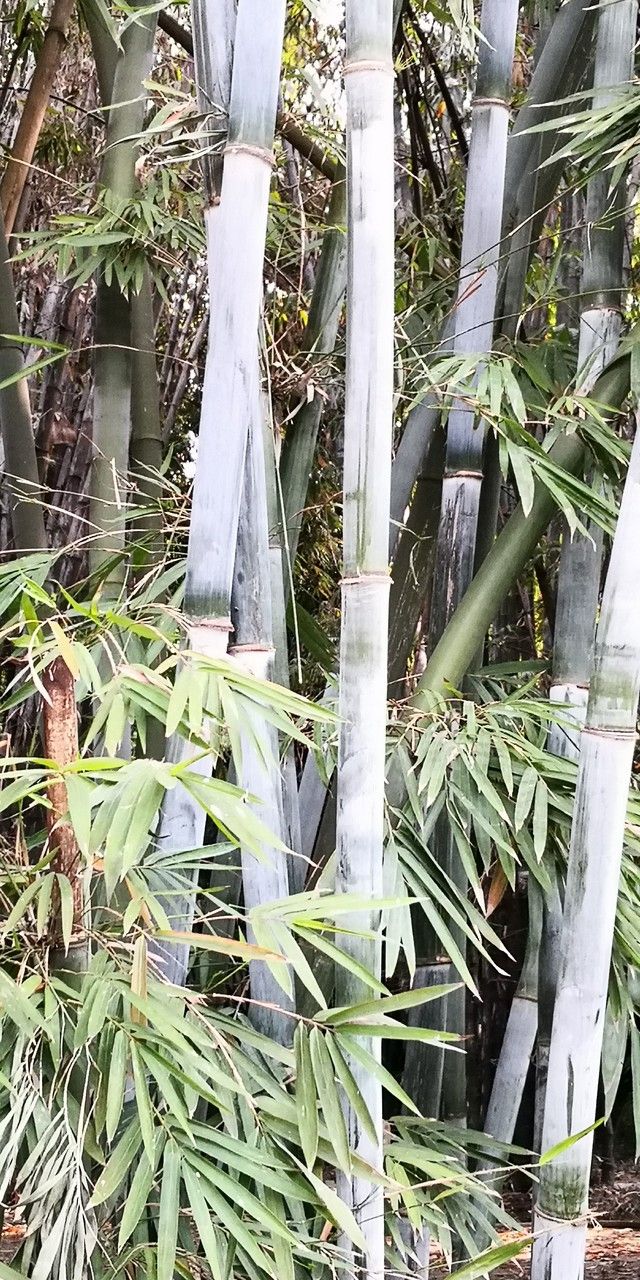
Oh, Bambusa chungii! If you’ve ever admired its graceful, upright culms and delicate greenery, I know exactly why you’re here. This particular clumping bamboo is a real gem, adding a touch of understated elegance to any garden. And the best part? You can absolutely multiply this beauty! Propagating Bambusa chungii is incredibly rewarding, and while it might seem a little intimidating at first, I promise you, it’s very doable, even for those just dipping their toes into the world of plant propagation.
The Best Time to Start
Timing is everything in gardening, and with Bambusa chungii, you’ll find the most success when the plant is actively growing. This generally means heading out to your garden in late spring or early summer, right after the major growth spurt has begun. The new shoots will have plenty of energy and are more likely to establish themselves quickly.
Supplies You’ll Need
Before we get our hands dirty, let’s gather our tools. Here’s what you’ll want to have on hand:
- Sharp pruning shears or a clean, sharp knife: For making clean cuts.
- Rooting hormone powder or gel: This isn’t strictly essential, but it gives your cuttings a significant boost.
- A well-draining potting mix: I like a blend of perlite, peat moss, and a bit of compost. For beginners, a good quality seed-starting mix works wonders.
- Small pots or containers: Clean ones are key!
- A spray bottle: For misting.
- Plastic bags or a propagator lid: To create a humid environment.
- A dibber or a pencil: For making planting holes.
Propagation Methods
Bambusa chungii is most commonly and successfully propagated through division. It’s really the most straightforward way to get going.
Division:
- Assess your established clump. You’ll want a plant that’s at least a year old and showing healthy growth.
- Gently dig around the base of the clump. You’re aiming to loosen it from the soil without causing too much damage.
- Carefully lift the entire clump out of the ground. It’s okay if a little soil stays attached to the roots.
- Now, for the exciting part! You’ll want to find a section of the clump that has at least one or two healthy, visible shoots and a good portion of root attached.
- Using your sharpest pruning shears or a sturdy spade, cut through the rhizome (that’s the thick, underground stem) to separate your desired division. Aim for a clean cut. You can also gently pull apart smaller divisions if the rhizome is more pliable.
- Trim any excessively long or damaged roots on your new division.
- Pot up your division in your well-draining potting mix. Make sure the base where the shoots emerge is just at the soil surface.
- Water thoroughly to settle the soil.
The “Secret Sauce” (Pro Tips)
Okay, so you’ve got the basics, but here are a few little tricks I’ve learned over the years that really make a difference:
- The “Rhizome Whisper.” When you’re making your division, look for divisions that have new, pale-colored rhizome growth. This is where the energy is concentrated and shows the division is ready to unfurl new shoots. Avoid sections that look old and woody.
- “Don’t Drown Your Dreams.” While new divisions need moisture, they hate sitting in soggy soil. Ensure your pots have excellent drainage holes, and don’t waterlog them. A gentle watering after planting, and then only when the top inch of soil feels dry, is the way to go.
- “The Humid Hug.” Once potted, your new Bambusa chungii division will love a bit of humidity. Place the pot in a bright, indirect light spot, and then cover the pot and division with a clear plastic bag or pop on a propagator lid. This creates a mini-greenhouse effect, keeping moisture levels high while those roots are getting established. Just remember to air it out for a few minutes each day to prevent fungal issues.
Aftercare & Troubleshooting
Once your division is in its new pot and settled, the real magic begins. Keep it in bright, indirect light. Water when the topsoil feels dry to the touch. Be patient! It can take several weeks, sometimes even a couple of months, for you to see new shoot growth emerge from your division.
The most common sign of failure is rot. If the shoot starts to turn mushy and black, or if the soil stays constantly wet and the plant looks limp and sad, it’s likely getting too much water. Pull it out, check the roots. If they’re black and slimy, it’s likely too far gone. In this case, unfortunately, it’s best to discard it and start again, learning from the experience. If it’s just overwatered and not yet rotted, you can try repotting it into dry, fresh potting mix and being much more sparing with the water.
A Encouraging Closing
Propagating Bambusa chungii is a journey, not a race. Celebrate the small victories – the firm feel of the roots, the first hint of new growth. Don’t get discouraged if your first attempt isn’t perfect. It’s all part of learning and growing alongside these wonderful plants. Enjoy the process, and soon you’ll have a whole bamboo grove to call your own!
Resource:
https://identify.plantnet.org/k-world-flora/species/Bambusa%20chungii%20McClure/data