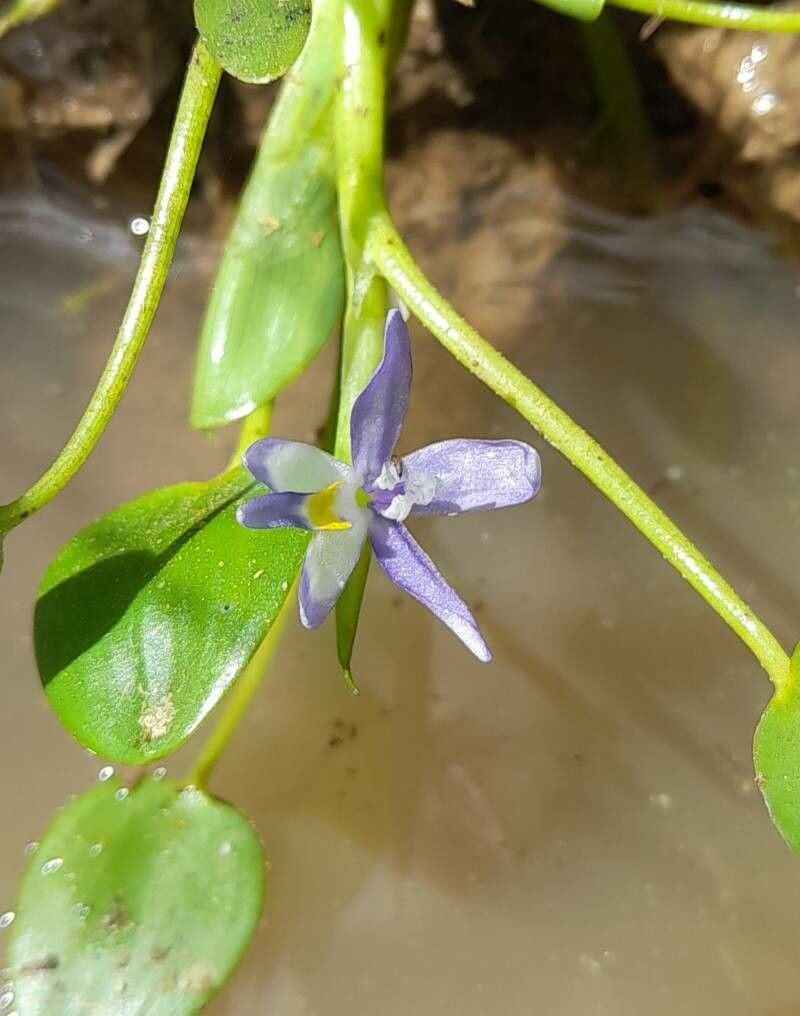
Hello, fellow plant enthusiasts! It’s your trusty garden whisperer here, ready to dive into a truly delightful aquatic gem: Heteranthera limosa, also known as Mud Plantain. If you’ve ever admired its delicate, star-shaped blue flowers and glossy green leaves gracing the edges of ponds and water features, you’re not alone. Propagating these beauties is a wonderfully rewarding endeavor, and I’m thrilled to share how we can fill our watery worlds with even more of them.
For beginners, I’d say Heteranthera limosa is moderately easy to propagate. It’s not quite as foolproof as some of the more vigorous water plants, but with a little attention, you’ll be well on your way to success. The joy of watching a tiny cutting develop into a thriving plant is truly something special, and mud plantain offers that in spades.
The Best Time to Start
When it comes to getting your Heteranthera limosa cuttings to take off, late spring through summer is your golden window. This is when the plant is in its most vigorous growth phase. The days are longer, the temperatures are warmer, and the plant has plenty of energy to put into developing roots. Starting during this active growing period significantly increases your chances of success.
Supplies You’ll Need
Gathering your tools before you begin is always a smart move. It makes the whole process much smoother! Here’s what you’ll want to have on hand:
- Sharp pruning shears or scissors (sterilized, of course!)
- A container for your cuttings – clean jars, small pots, or even specialized propagation trays.
- Water (dechlorinated if possible, especially for sensitive plants)
- A well-draining potting mix (if you opt for soil propagation) – I often use a mix of aquatic plant substrate or a blend of peat moss and sand.
- Rooting hormone (optional, but can give you a little boost!)
- A spray bottle for misting.
Propagation Methods
Heteranthera limosa is quite adaptable, and I’ve found a couple of methods that work beautifully.
Stem Cuttings: My Go-To Method
This is often the most straightforward way to get more mud plantain plants.
- Select Healthy Stems: Look for vigorous, healthy stems on your mature plant. You want stems that are at least 4-6 inches long and appear actively growing.
- Make the Cut: Using your sterilized pruning shears, make a clean cut just below a leaf node. A leaf node is where a leaf emerges from the stem. This is where the magic happens – it’s packed with potential!
- Prepare the Cutting: Gently remove any leaves from the bottom 2-3 inches of the stem. This prevents them from rotting in the water or soil. If you’re using rooting hormone, dip the cut end into it now, following the product’s instructions.
- Place in Water: Submerge the cut end in a jar or container of dechlorinated water. Make sure at least one or two leaf nodes are underwater. You can place a few cuttings in the same container.
Water Propagation
This is essentially what we just described above, but I like to emphasize the allure of watching roots emerge right before your eyes!
- Follow steps 1-3 from the stem cutting method.
- Set Up Your Water Jar: Place your prepared cuttings in a clean jar filled with water. Do this in a bright spot, but avoid direct, harsh sunlight which can scorch delicate new growth.
- Change the Water Regularly: This is crucial! Change the water every few days to keep it fresh and prevent bacterial buildup. You’ll start to see little white nubs – roots! – appearing from the leaf nodes within a week or two.
Division (For Established Plants)
If you have a mature Heteranthera limosa that’s starting to get a bit crowded in its pot or pond edge, division is a great option.
- Gently Remove: Carefully lift the entire plant from its container or pond edge.
- Separate the Roots: Gently tease apart the root ball. You’re looking to separate sections of the plant that have their own roots and stems. Sometimes a gentle pull is all it takes. If it’s stubborn, you can use your sterilized pruning shears to make the separation.
- Repot or Replant: You can replant these divisions directly into pots or back into your pond edge, ensuring the roots are covered.
The “Secret Sauce” (Pro Tips)
Now, here are a few little tricks I’ve picked up over the years that really make a difference:
- Don’t let the leaves touch the water! This is a big one, especially in water propagation. Any leaves submerged below the waterline are prime candidates for rot, which can quickly take down your cutting. Pinch them off before they have a chance to cause trouble.
- Bottom heat is your friend for soil propagation. If you’re planting your cuttings directly into a potting mix, placing the pot on a seedling heat mat can significantly speed up root development. It provides gentle warmth that encourages root growth.
- A light misting of a dilute liquid fertilizer can help once roots appear. Once you see good root development, you can give your new plants a very diluted feed. Think one-quarter strength at most. This gives them that extra nutritional boost to really get going.
Aftercare & Troubleshooting
Once your cuttings have developed a healthy root system (usually an inch or more long for water propagation, or when you see new growth for divisions), it’s time for them to move into their new home.
For water-propagated plants, you can either keep them in their jars, enjoying the view, or gently plant them into aquatic substrate in a pot. If planting, ensure the roots are covered and the plant is positioned appropriately for its aquatic environment.
Common signs of failure? The most frequent culprit is rot. Browning leaves, mushy stems, or an unpleasant odor are usually indicators that your cutting is struggling. This often stems from stagnant water, too much heat, or those pesky submerged leaves. If you spot rot, trim away the affected parts immediately and try to improve water circulation or air flow. Patience is key here! Not every cutting will make it, and that’s perfectly okay. Just learn from it and try again.
A Encouraging Closing
So there you have it – a straightforward guide to propagating Heteranthera limosa. Remember to be patient with your new green babies. Gardening is a journey, and each new plant is a victory worth celebrating. Happy propagating, and may your water gardens be ever more beautiful!
Resource:
https://identify.plantnet.org/k-world-flora/species/Heteranthera%20limosa%20(Sw.)%20Willd./data