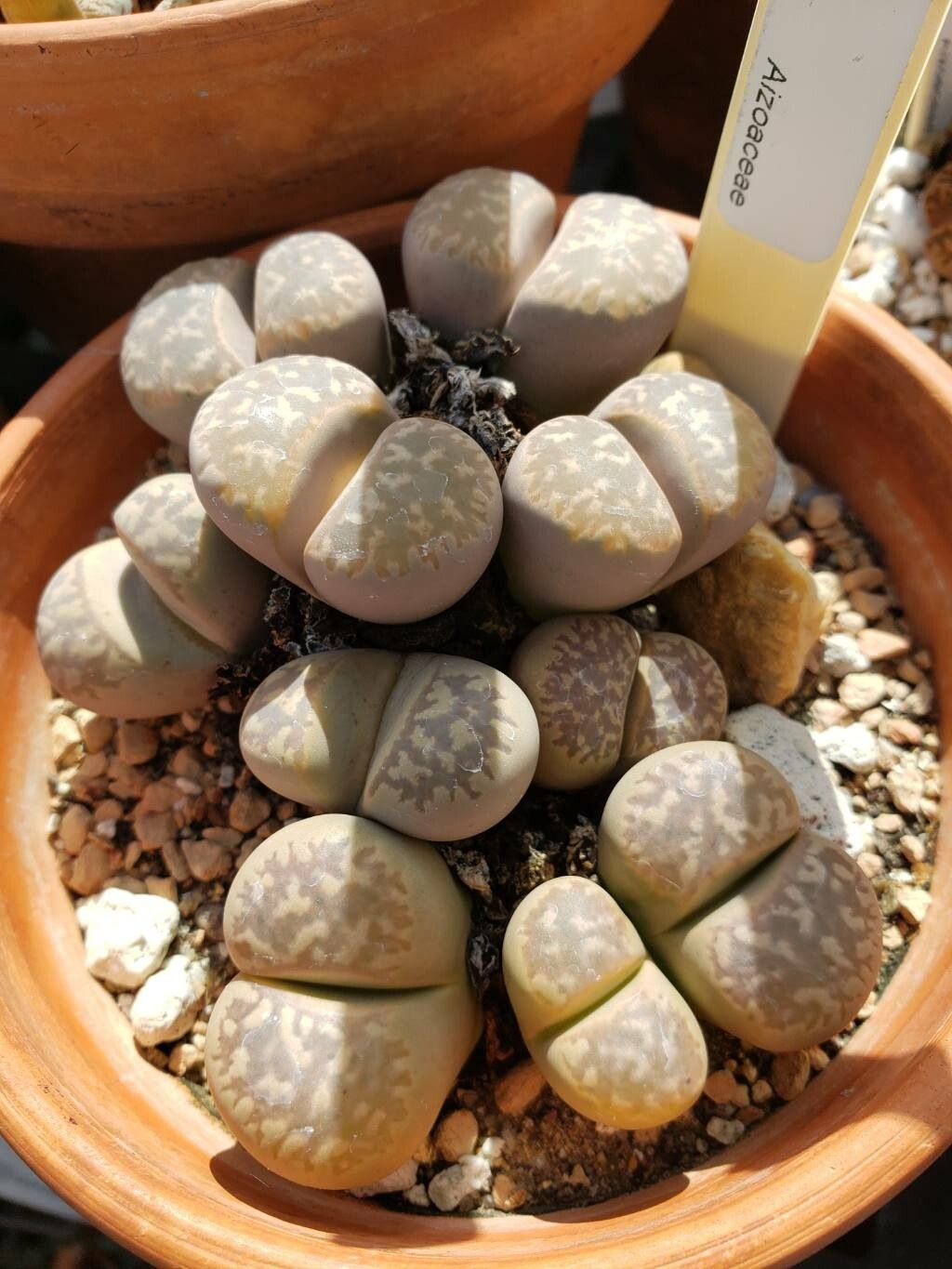
Oh, Lithops! Aren’t they just the most fascinating little characters in the plant world? These living stones, with their ever-changing patterns and unique plumpness, are truly a joy to behold. Propagating them, while perhaps a tad more involved than a common pothos, is incredibly rewarding. You get to witness the magic of life starting anew, and soon you’ll have a whole collection of these quirky beauties gracing your windowsill. If you’re new to plant propagation, Lithops might present a little challenge, but with a bit of care and my guidance, you’ll be well on your way.
The Best Time to Start
For Lithops propagation, the absolute best time to begin is during their active growing season. For most varieties, this means spring and early summer. You want to work with them when they’re full of life, not when they’re resting or preparing to flower.
Supplies You’ll Need
Here’s what I always have on hand for my Lithops propagation projects:
- Well-draining potting mix: A mix specifically for succulents or cacti is ideal. I often create my own by combining equal parts perlite, coarse sand, and a good quality potting soil.
- Sharp, sterile knife or razor blade: For clean cuts. Sterilize it with rubbing alcohol between each potential division.
- Small pots or trays: Clean and with drainage holes.
- Watering can with a fine rose or a spray bottle: For gentle watering.
- Optional: Rooting hormone: While not always necessary for Lithops division, it can give cuttings a little boost.
- Optional: Bottom heat mat: This can significantly speed up root development, especially in cooler environments.
Propagation Methods
Lithops are typically propagated through division, which I find to be the most reliable method for home gardeners. Leaf cuttings aren’t really a thing with Lithops in the way they are with other succulents.
Division
This is where you separate a well-established Lithops clump into smaller, independent plants.
- Observe your Lithops: Look for a plant that has naturally begun to split into two or more distinct bodies. You’ll see a fissure developing between them, with the beginnings of new leaves forming within the split.
- Gently remove the Lithops from its pot: Turn it sideways and carefully ease the plant out. You want to disturb the roots as little as possible.
- Clean off excess soil: Gently brush away the soil from around the base of the plant. This allows you to clearly see where the individual bodies are attached.
- Make the cut: Using your sterile knife, carefully slice between the two (or more) bodies. The key is to get a clean separation that includes roots for each new plant. Sometimes, you might not need to cut if they pull apart easily.
- Allow the cuts to callous: This is a crucial step! Place the newly separated Lithops on a dry surface (like a plate or newspaper) in a well-ventilated area away from direct sun for 3-5 days. This allows the cut surfaces to dry out and form a protective callus, preventing rot.
- Pot them up: Once calloused, carefully plant each division in its own small pot filled with your well-draining mix. Bury the roots, but don’t pack the soil too tightly.
- Wait to water: Do not water immediately. Wait at least another 7-10 days after potting before giving them their first light watering. This further reduces the risk of rot.
The “Secret Sauce” (Pro Tips)
Here are a couple of things I’ve learned over the years that really make a difference:
- Patience is your best friend: Lithops are slow growers by nature. Don’t expect immediate results. It can take weeks, even months, for new roots to establish and for the plant to show signs of settled growth. Resist the urge to constantly check or disturb them.
- Gentle is the name of the game: When you do water, be very sparing. They are very susceptible to overwatering, especially after division. A light misting or watering around the edges of the pot is far better than drenching the whole thing. If you have a heat mat, using it allows for slightly higher humidity in the pot, which can encourage rooting without the risk of rot you’d get from excessive watering.
Aftercare & Troubleshooting
Once your Lithops have been potted and you’ve bravely given them their first drink (after the waiting period!), provide them with bright, indirect light. Avoid scorching sun while they’re still establishing.
Signs of failure usually point to one thing: rot. This looks like soft, mushy tissue, often starting at the base of the plant or around the cut. If you see this, gently remove the affected plant from its pot. You might be able to salvage healthy parts by making a new, clean cut and letting them callous again, but sadly, often rot is fatal. Underwatering will result in the leaves looking a bit shriveled and tired, but this is much easier to fix – just give them a light drink!
A Encouraging Closing
Propagating Lithops is a journey, not a race. Embrace the process, be patient with your little stone plants, and celebrate every new root and plump leaf. The joy of watching them grow and expand is truly unparalleled. Happy propagating!
Resource:
https://identify.plantnet.org/k-world-flora/species/Lithops%20marmorata%20(N.E.Br.)%20N.E.Br./data