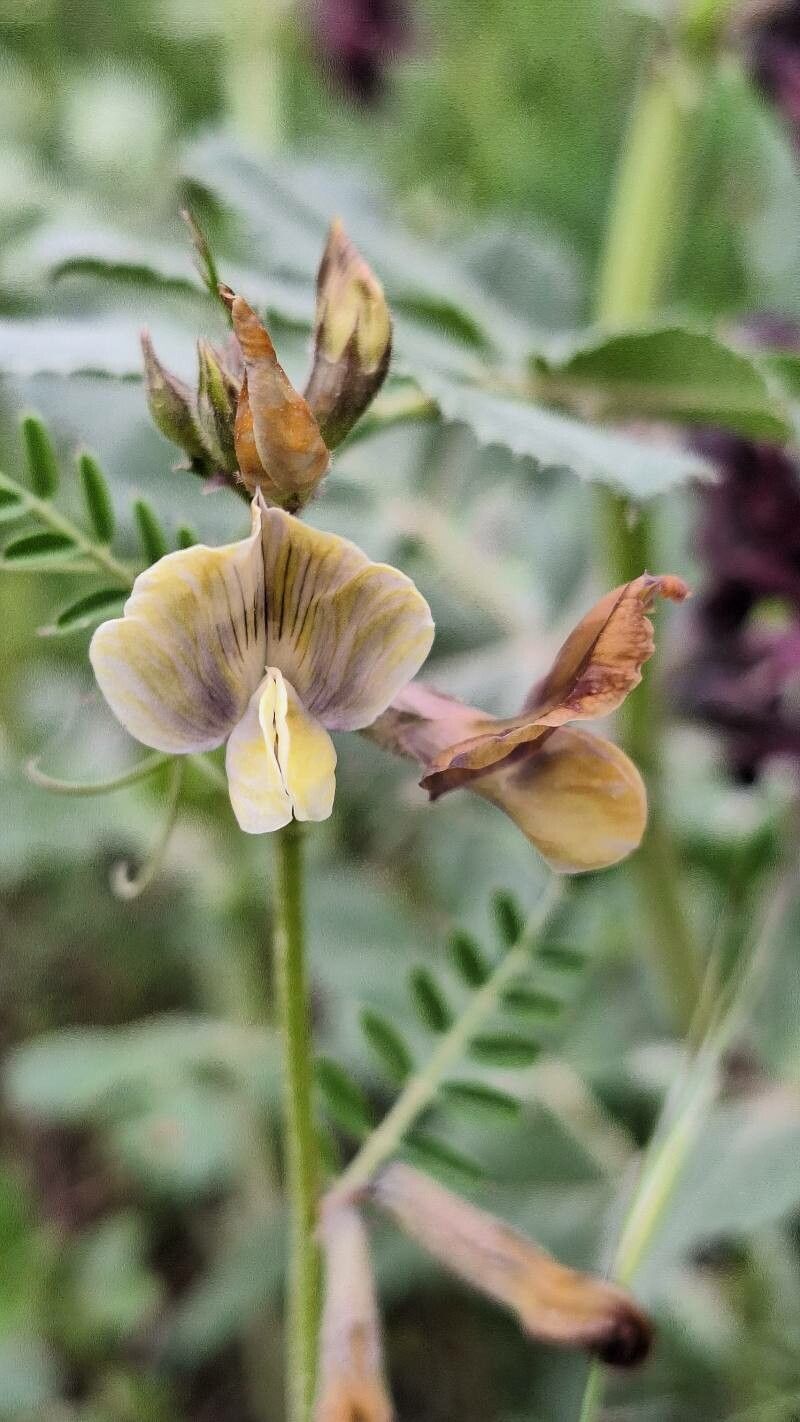
Oh, Vicia grandiflora! If you’ve ever seen this lovely vetch gracing a garden with its cheerful, pea-like blooms, you know exactly why I’m so excited to talk about propagating it. Those big, vibrant flowers are a real showstopper, and there’s something incredibly satisfying about creating new life from an existing plant. For those of you just dipping your toes into the world of plant propagation, I’m happy to say that Vicia grandiflora is generally quite forgiving. You’ll likely find it a rewarding experience, even if you’re a beginner!
The Best Time to Start
When it comes to getting your Vicia grandiflora off to a good start, spring is your golden ticket. Think about when the plant is actively growing but hasn’t yet poured all its energy into flowering. Late spring, after the last frost has passed, is usually the sweet spot. This is when the energy is readily available for those new cuttings or divisions to establish themselves.
Supplies You’ll Need
Don’t be intimidated by a list! Most of these are things you’ll likely have on hand if you do a bit of gardening:
- Sharp pruning shears or a clean craft knife: For making those crucial, clean cuts.
- Rooting hormone (optional but helpful): Encourages faster root development.
- A good quality potting mix: Something well-draining is key. I often use a blend of peat moss, perlite, and a bit of compost.
- Small pots or propagation trays: With drainage holes, of course!
- Plastic bags or a propagator lid: To create a humid environment.
- Watering can or spray bottle: For gentle watering.
Propagation Methods
There are a few ways we can coax new Vicia grandiflora plants into existence, but for this beauty, I find softwood cuttings to be wonderfully effective.
Softwood Cuttings:
- Take your cuttings: In spring, find a healthy, non-flowering stem. Using your sharp shears, take a cutting that’s about 4-6 inches long. Make the cut just below a leaf node (where a leaf attaches to the stem).
- Prepare the cutting: Gently remove the lower leaves from the cutting, leaving just a couple of leaves at the top. If you’re using rooting hormone, dip the cut end into it now, tapping off any excess.
- Pot them up: Fill your small pots with your prepared potting mix. Make a small hole in the center with your finger or a pencil.
- Insert the cutting: Carefully place the cut end of your Vicia grandiflora cutting into the hole. Gently firm the soil around the stem to ensure good contact.
- Hydrate and cover: Water them thoroughly but gently. Then, cover the pots with a plastic bag or place them in a propagator. This will help maintain the humidity your cuttings need. Place them in a bright spot, but out of direct sunlight.
The “Secret Sauce” (Pro Tips)
Now, let’s get down to those little tricks that make a big difference:
- Don’t overdo the rooting hormone: Too much can actually hinder root formation. Just a light dusting of the cut end is sufficient.
- Bottom heat is your friend: If you have a heat mat, placing your propagation tray on it can really speed things up. It mimics the warmth of the soil that encourages roots to emerge.
- Watch for condensation: If your plastic bag or propagator lid is constantly fogged up, it’s a good sign of healthy humidity. If it’s dripping excessively, open it up for a few hours to allow for some air circulation and prevent fungal issues.
Aftercare & Troubleshooting
Once you see new growth or start to feel a bit of resistance when you gently tug at the cutting, that’s a good sign roots have formed!
- Gradually acclimate: Once roots are established, slowly begin to remove the plastic cover for increasing periods over a week or so. This helps the new plants get used to normal humidity levels.
- Watering: Keep the soil consistently moist but not waterlogged. Overwatering is one of the quickest ways to lose a cutting to rot.
- Signs of trouble: The most common issue is rot, which you’ll notice as a browning and softening of the stem, often with a foul smell. This usually indicates too much moisture and not enough air circulation. If you see this, unfortunately, that cutting is likely lost. Discard it and try again, remembering to adjust your watering and ventilation. Another sign is wilting that doesn’t recover after watering, which could also point to root rot or the cutting simply not taking.
A Encouraging Closing
Propagating Vicia grandiflora is a wonderful way to expand your garden and share its beauty. Don’t get discouraged if your first attempt isn’t perfect. Gardening is a journey, and every sprout, every root, is a little victory. Be patient with your new plants, give them a little TLC, and enjoy the unfolding of new life in your hands. Happy propagating!
Resource:
https://identify.plantnet.org/k-world-flora/species/Vicia%20grandiflora%20Scop./data