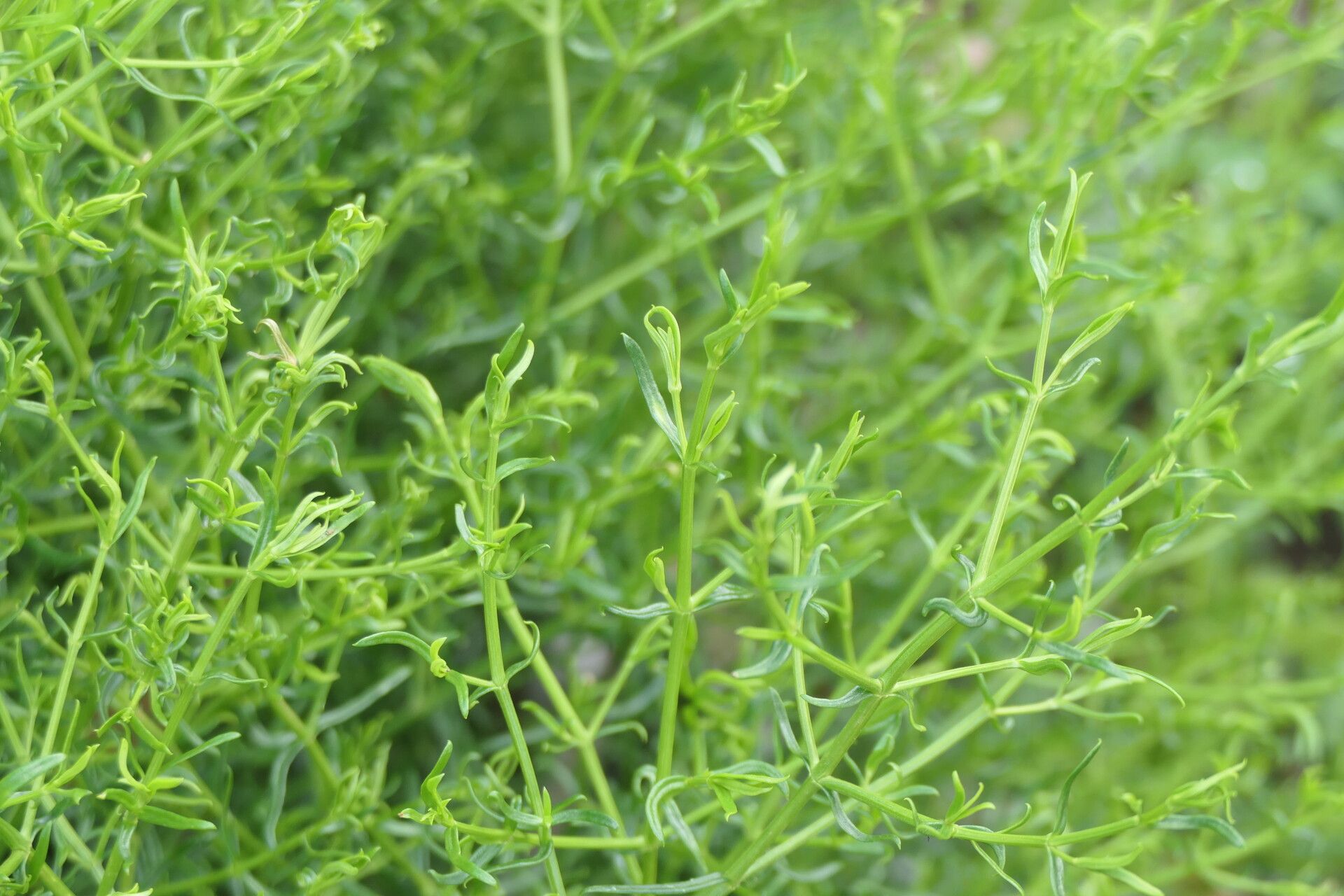
Felicia filifolia, oh, what a joy! Also known as the “Blue Daisy” or “Kingfisher Daisy,” this South African native is like a little burst of sunshine in the garden. Its delicate, sky-blue flowers, often with a cheerful yellow center, just seem to wink at you. And the best part? Growing more of them yourself is wonderfully rewarding. While it might sound a bit daunting, propagating Felicia filifolia is actually quite accessible, even for those of you just starting your gardening journey.
The Best Time to Start
Spring is really your golden ticket for propagating Felicia filifolia. Aim for when the plant is actively growing, but before it gets too hot or the days get too short. Think of it as catching the plant at its most enthusiastic. Late spring, after the last frost and when things are warming up consistently, is perfect.
Supplies You’ll Need
Gathering your tools before you start makes everything so much smoother. Here’s what I usually have on hand:
- Sharp pruning shears or a clean craft knife: For making those crucial cuts.
- Well-draining potting mix: A blend of perlite and peat moss, or a specialized seedling mix, works wonders.
- Rooting hormone (optional but helpful): A powder or gel can give cuttings a little boost.
- Small pots or a propagation tray: With drainage holes, of course!
- A watering can with a fine rose: For gentle watering.
- Plastic bags or a clear propagation dome: To keep humidity levels up.
- A spray bottle: For misting.
Propagation Methods
While you can sometimes get lucky with seeds, I’ve found that taking stem cuttings is the most reliable and rewarding way to propagate Felicia filifolia. It’s like cloning your favorite plant!
- Take the Cuttings: On a bright, cool morning, select a healthy, non-flowering stem. You’ll want cuttings that are about 3-4 inches long. Using your sharp shears or knife, make a clean cut just below a leaf node (where the leaves attach to the stem). Remove the lower leaves, leaving just a couple at the very top.
- Apply Rooting Hormone (Optional): If you’re using rooting hormone, lightly dip the cut end of the stem into the powder or gel. Tap off any excess.
- Plant Them Up: Fill your small pots or propagation tray with your prepared potting mix. Moisten the soil until it’s damp but not soggy. Make small holes in the soil with a pencil or your finger, then gently insert the cuttings, ensuring the leaf nodes are buried. Firm the soil around the base of each cutting.
- Create a Humid Environment: Water the soil gently again. Then, cover the pots with a plastic bag, supported by stakes so it doesn’t touch the leaves, or place them under a clear propagation dome. This high humidity is key for cuttings to develop roots.
- Provide Light and Warmth: Place your cuttings in a bright spot, but out of direct sunlight. A sunny windowsill that gets bright, indirect light is ideal. If your home is a bit chilly, placing the tray on a heat mat can significantly speed up rooting.
The “Secret Sauce” (Pro Tips)
Here are a couple of things I’ve learned over the years that really help:
- Don’t Drown Your Dreams: While humidity is important, waterlogged soil is a killer. Ensure your pots drain well and only water when the top inch of soil feels dry. Overwatering will lead to rot before roots even have a chance to form.
- Patience is a Gardener’s Virtue (and Bottom Heat Helps!): I know it’s tempting to peek every day, but try to resist! Roots can take anywhere from 3-6 weeks to appear. If you’ve got bottom heat, this really encourages root development from below, making the whole process faster and more successful.
Aftercare & Troubleshooting
Once you start to see tiny white roots peeking out of the drainage holes, or if the cuttings resist a gentle tug, they’re ready for a bit more independence. Gradually acclimate them to normal room humidity by lifting the plastic bag or dome for increasing periods each day over a week. After that, you can remove it entirely. Water them as you would a mature Felicia, allowing the soil to dry slightly between waterings.
The most common issue you’ll face is rot. If a cutting turns black, mushy, or just looks sad and wilts dramatically despite being well-watered, it’s likely rotted. This is usually due to too much moisture and not enough air circulation. Don’t be discouraged if a few don’t make it; it’s part of the learning process. Just pull them out, discard them, and try again!
A Little Encouragement
So there you have it! Growing more of these delightful blue beauties is a journey worth taking. Be patient with yourself and your little cuttings. Watch them closely, learn from any mishaps, and soon you’ll have a whole little patch of Felicia filifolia to admire. Happy propagating!
Resource: